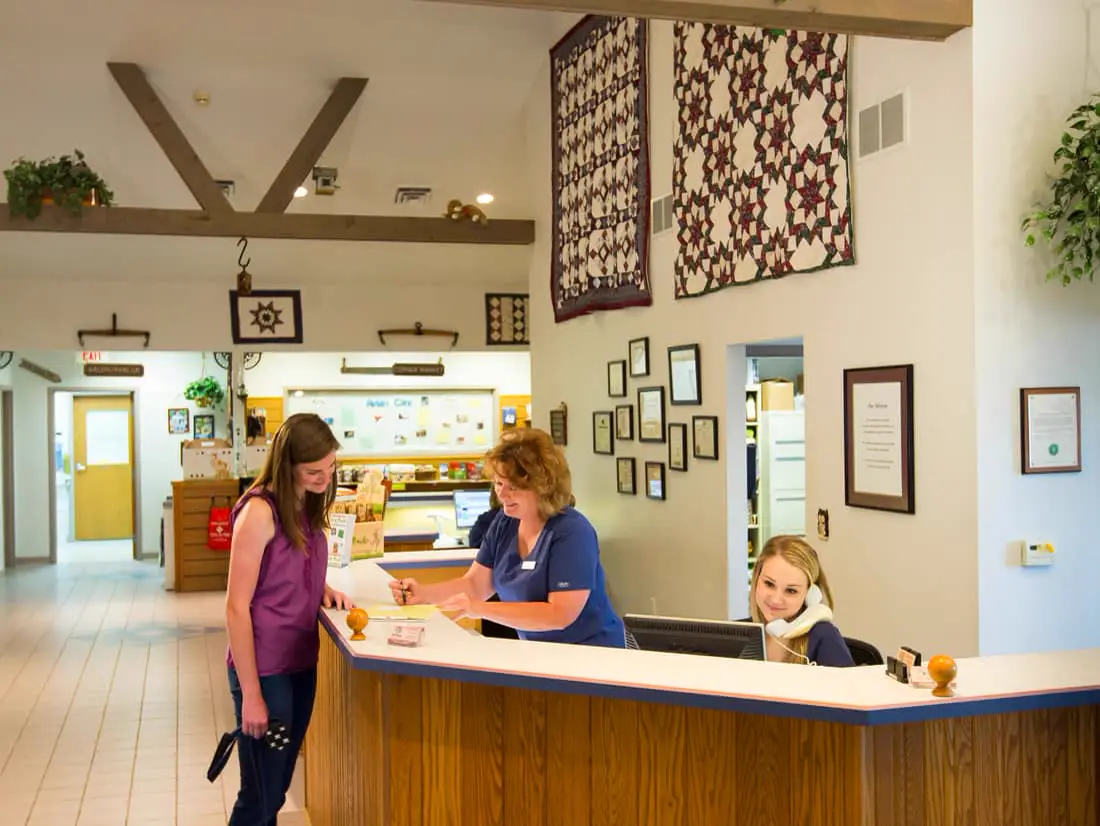
Out-patient appointments Regular appointments are designed for preventative care and for taking care of life’s little illnesses encountered along the way. You also have the option of admitting your dog for the day, so that we can address your dog’s needs while you are at work.
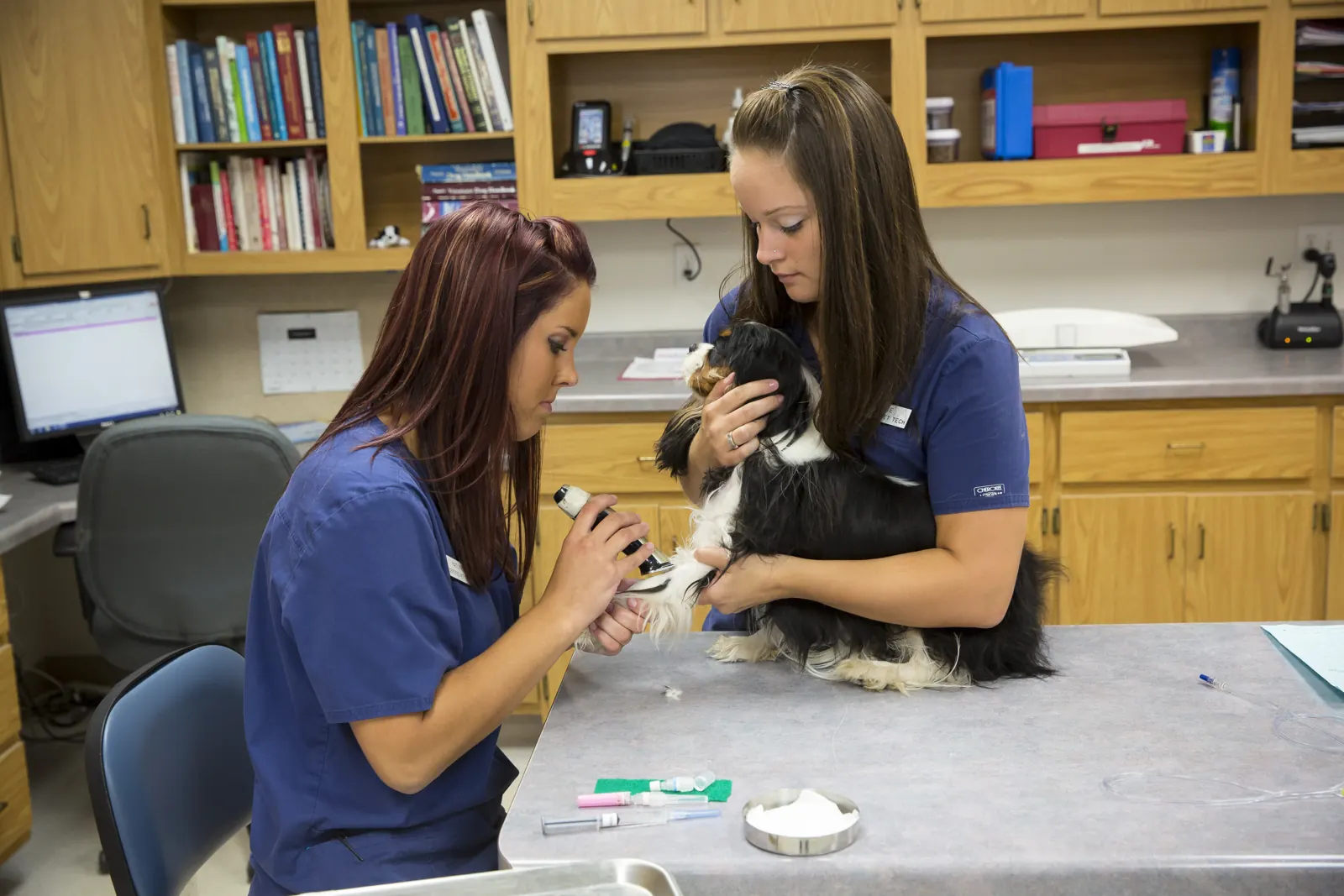
Medical care
Medical care for dogs
Whether your dog has a simple issue or a complex problem, our medical evaluations, diagnostics and treatments can help.
Veterinary medical care
Diagnosing and treating dogs quickly
Our highly qualified doctors and state-of-the-art facility allow us to diagnose and treat many conditions quickly and efficiently. Acquiring important diagnostic information quickly can be vital when your dog is ill or injured.
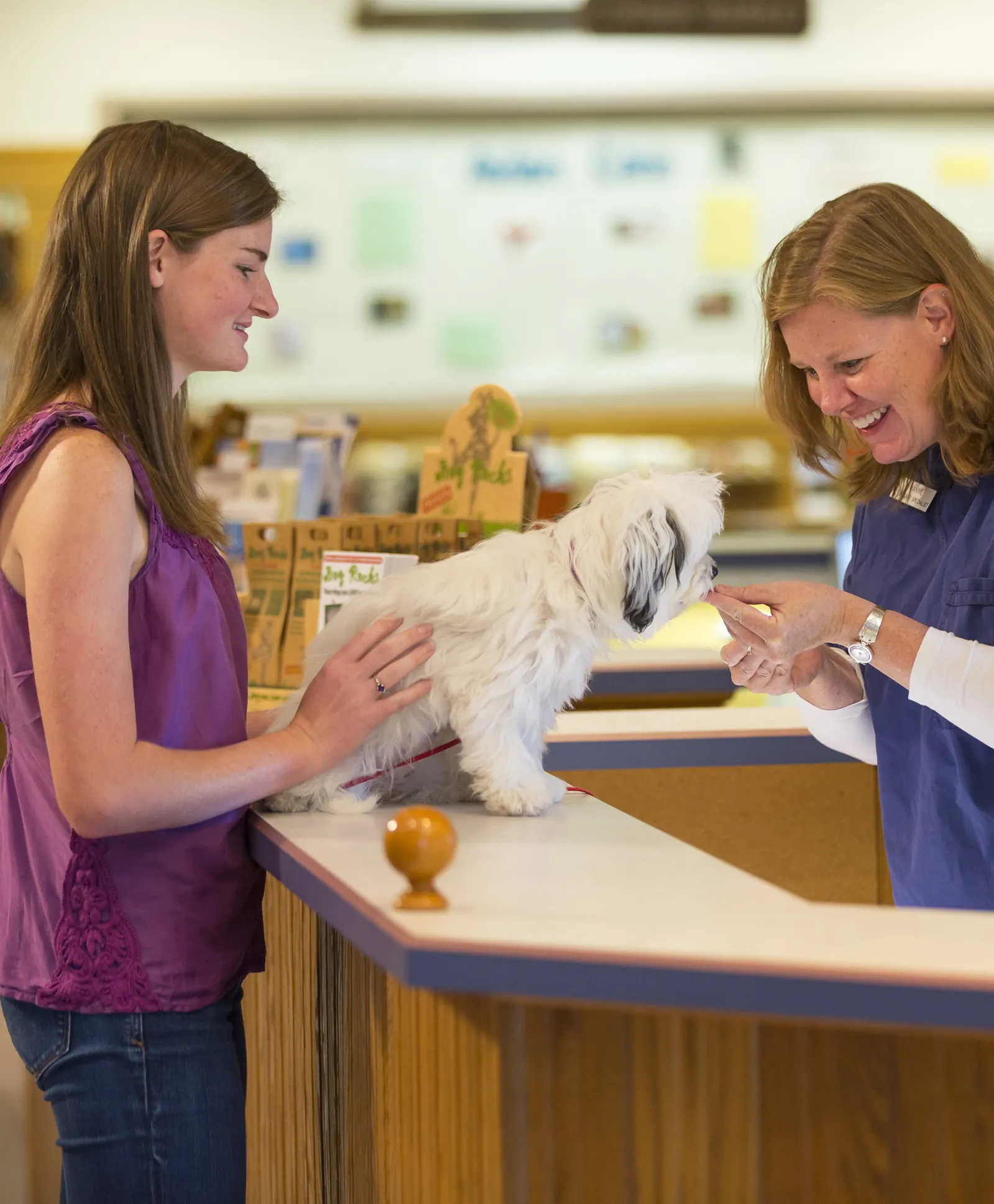
Appointments
Care for every kind of visit
In-depth consultations Consultations are available to discuss and evaluate dogs with complex problems or for obtaining a second opinion.
In-patient hospitalization Hospitalization for the treatment and monitoring of critical care patients that require surgical or medical treatment or ICU monitoring.
Plus many services not listed here. Don’t see what you are looking for? Contact us – we probably offer it!
Diagnostics
We use state-of-the-art equipment
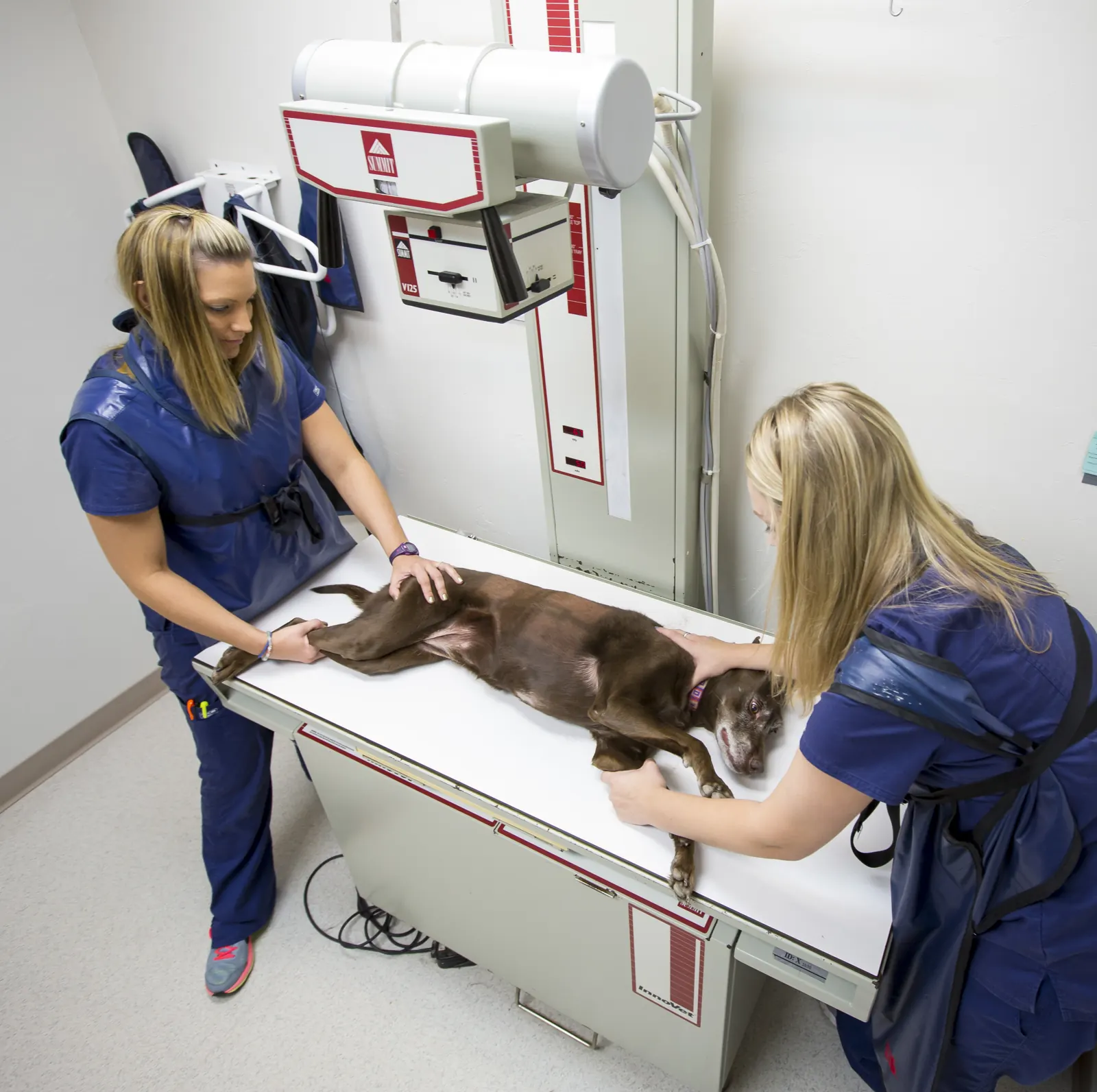
- Radiology (x-rays)
- Full dental equipment
- Tonometry (for glaucoma)
- EKG (for heart evaluation)
- Blood pressure evaluations
- In-house laboratory
Dental care
As important as your own dental hygiene
Dental care for your pet is just as important as your dental hygiene. A pet with clean teeth and fresh breath is happier and more pleasant to be around. There are also medical reasons for prophylactic dental care.
- Most dental problems in animals occur under the gum line and go unnoticed until severe dental decay, gum infections, and jaw bone loss occur.
- Oral disease can lead to infections and damage to organs far from the mouth (i.e. heart, liver and kidneys).
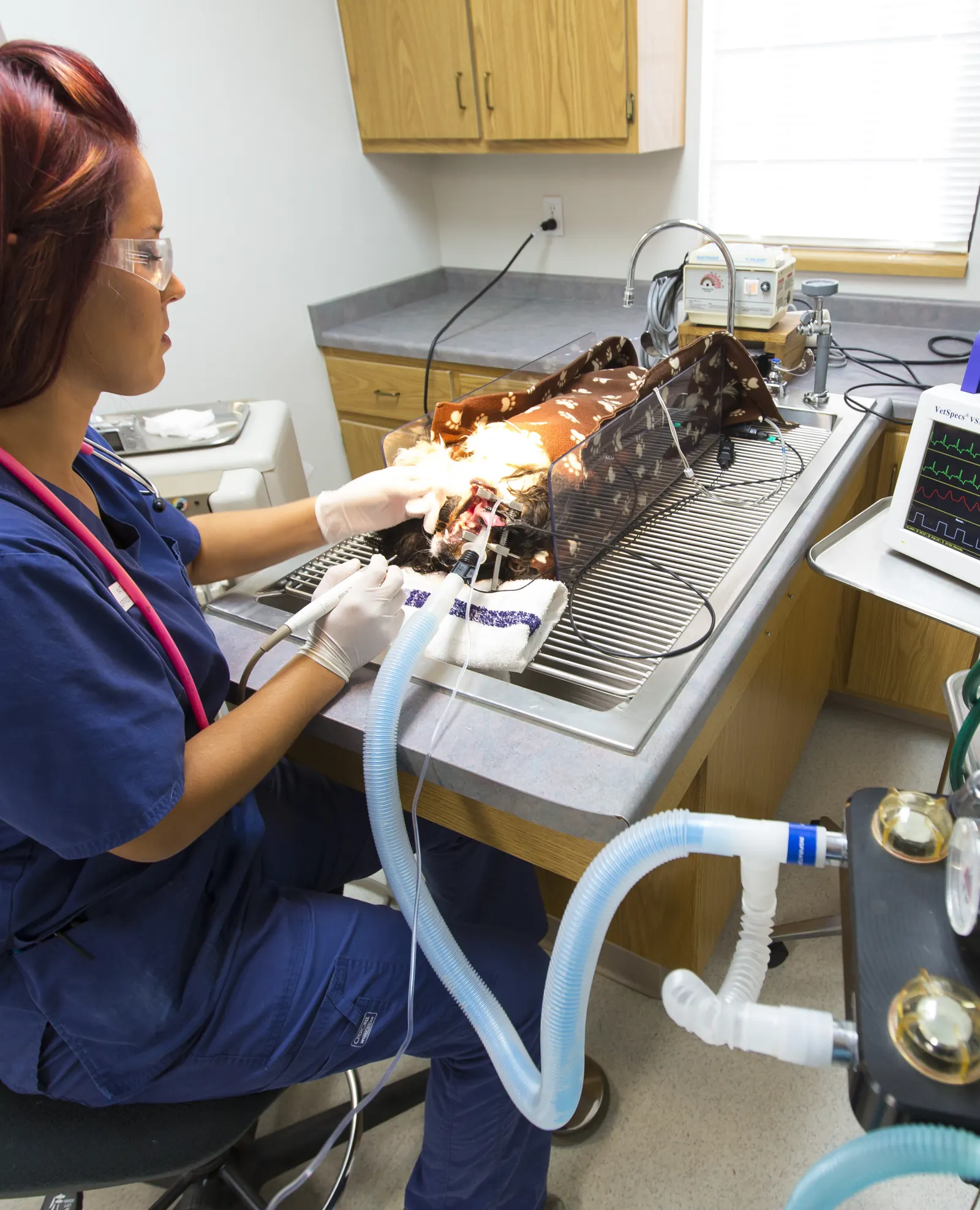
Home dental care Home care of your pet’s teeth is not only very important, but is also easy and rewarding. A little time and patience is well worth it for removing dental plaque and tartar build-up. Special pet toothbrushes and toothpastes are available that make home dental care easy. Oral rinses and dental chews are also available. It is important to remember that human toothpastes are not safe for pets because they can be toxic when swallowed.
Professional dental cleaning (prophylaxis) Veterinary dental care is a vital part of maintaining your pet’s dental health. At Countrycare Animal Complex, we use ultrasonic scalers for cleaning, record complete dental mapping and use high speed special hand pieces for polishing and dental procedures.
Advanced dental care Besides plaque formation and periodontitis, what else can go wrong inside your pet’s mouth? A short list would include cavities, root abscesses, broken or chipped teeth, jaw fractures, and oral tumors to name a few. Like a dentist, we can do a variety of restorative procedures. These procedures, although available, are not a substitute for a common sense approach to good oral hygiene, home care, and routine dental cleanings.
Cancer treatments
How often do pets get cancer?
Unfortunately, cancer is common in pets and the incidence increases with age. Dogs get cancer at approximately the same rate as humans.
Almost 50%
Of deaths of pets over the age of 10 are caused by cancer
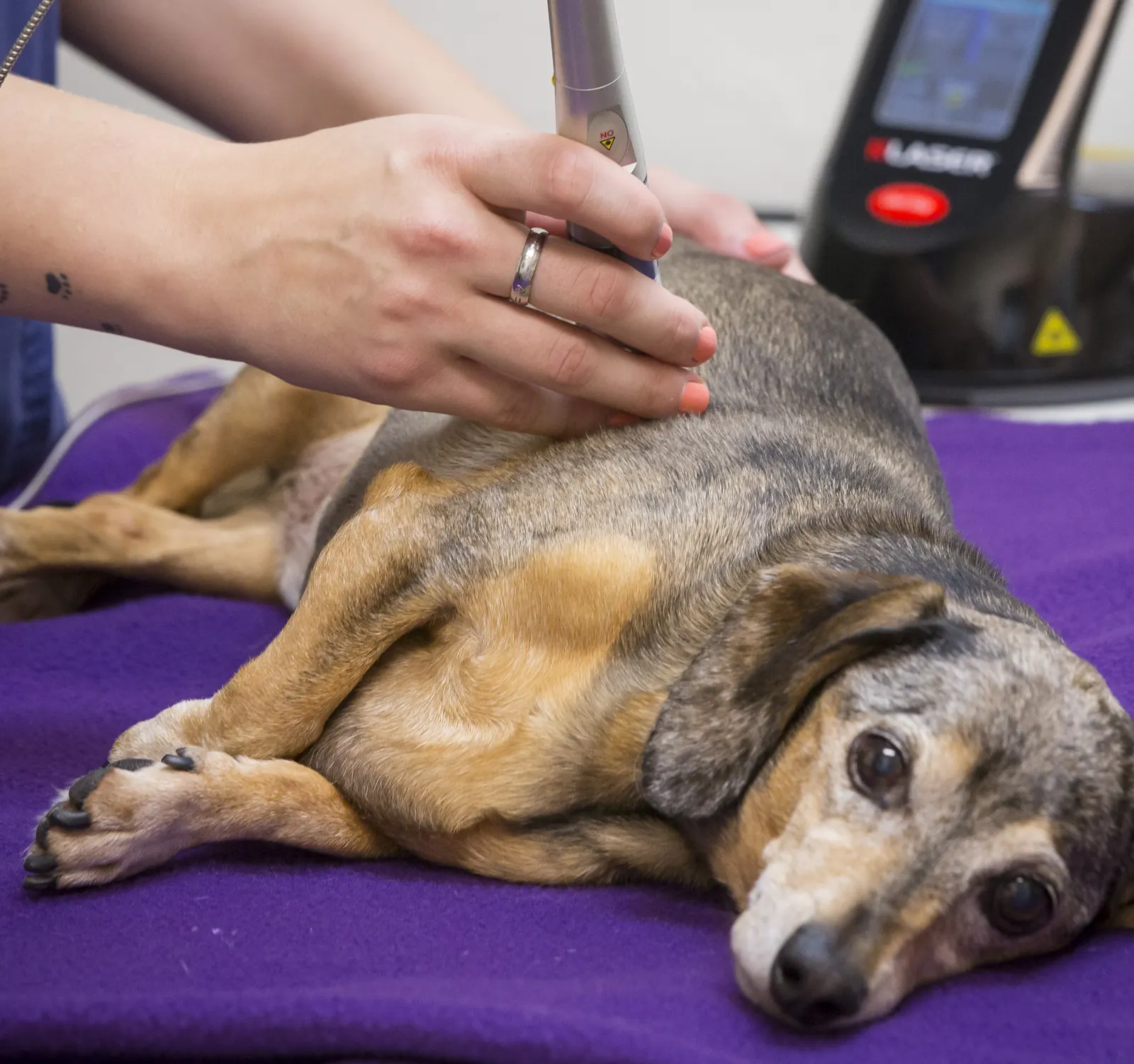
The categories of tumors
Tumors or masses can be ‘benign’ or ‘malignant’. Malignant tumors equal the term “cancer”. The definition of a tumor is the uncontrolled, abnormal growth of cells or tissues in the body.
Benign Benign tumors do not grow aggressively, do not invade surrounding tissues and do not spread to other parts of the body.
Malignant Malignant tumors tend to grow rapidly, invade local tissues and spread (or metastasize) to other parts of the body.
Types of cancer
Under the general category of cancer, there are about a hundred specific types, each one involving different body parts and having its own name. Cancer can attack the skin or bones or liver etc. The name of the cancer is connected to the type of organ or cells that are involved.
Cancer treatments
How is cancer treated?
There is no single right answer to this question. Every dog and cat is unique and every kind of cancer is different. The types of treatment chosen will depend on the animal’s age, general health, type of cancer and other factors. The three most common cancer treatments are:
Treatment 1 Surgery Surgical removal of a tumor (when possible). Surgery can be a very effective method to remove or reduce tumors.
Treatment 2 Chemotherapy Chemical medications are used to kill tumor cells.
Treatment 3 Radiation therapy High doses of radiation are aimed directly at the tumor site to shrink or stop its growth.
Holistic and alternative therapies for cancer
There have been major advances in holistic therapies for cancer treatment. We offer several comprehensive alternative therapies for cancer. Relevant therapies for specific types of cancer are discussed on an individual patient basis.
Screening
Screening for cancer
Is there a test to find out if my pet has cancer? Unfortunately, there is not a straightforward test that will screen for all types of cancer. Routine blood work and radiographs can help screen for certain cancers. Skin lumps & bumps should be evaluated & possibly removed.
Protecting your pet from cancer
- Don’t smoke around your pet
- Spay or neuter your pet at an early age
- Feed high quality nutritious food
- Keep your pet at a healthy weight
- Go green: use non-toxic cleaners when possible
- Monitor lumps for changes in size or appearance
- Watch for changes in eating and bowel habits
- Schedule veterinary exams at least semi-annually
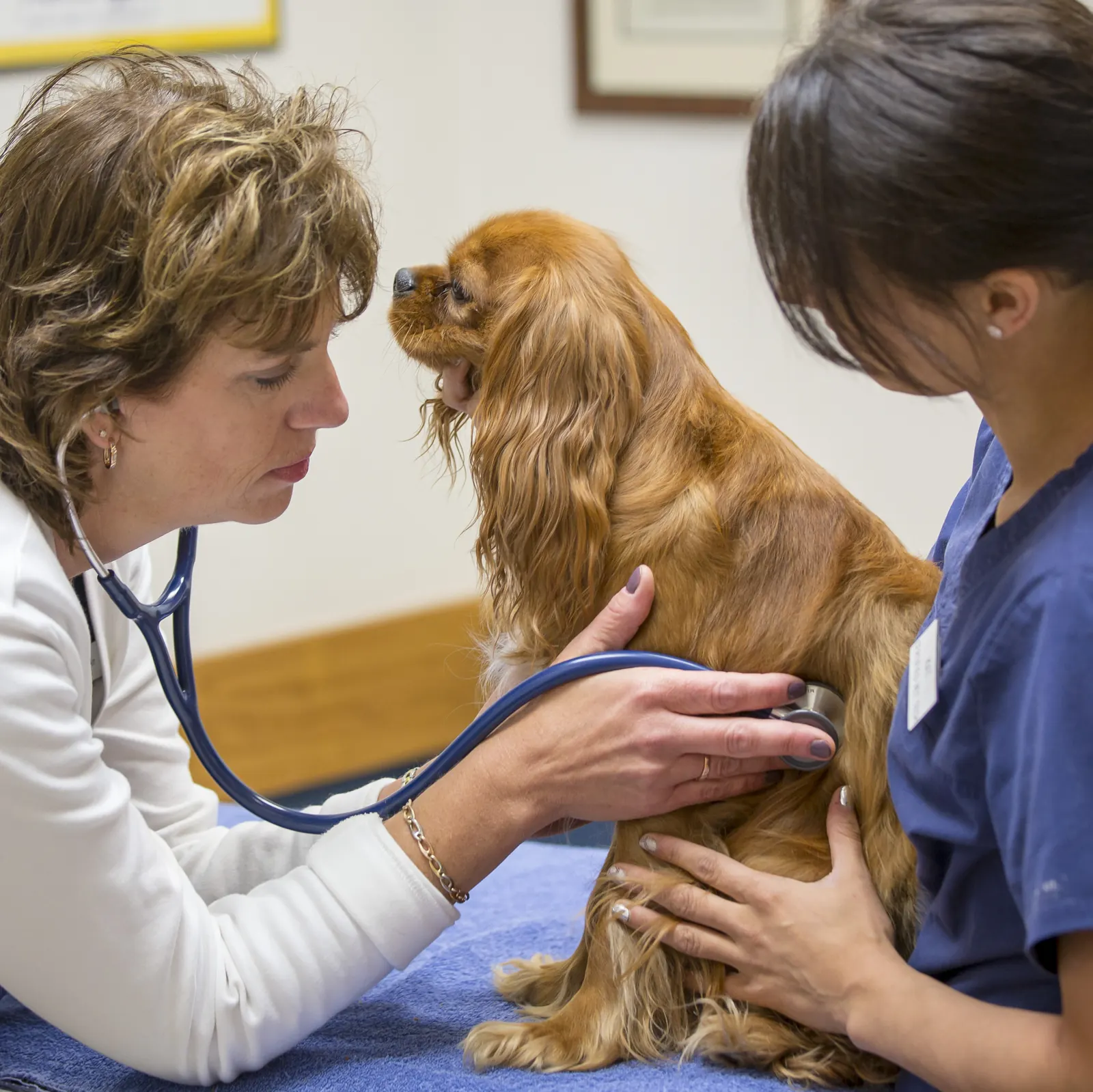
10 common signs of cancer in pets
- Abnormal swellings that continue to grow
- Sores that do not heal
- Weight loss
- Loss of appetite
- Bleeding or discharge from any body opening
- Offensive odor
- Difficulty eating / swallowing
- Hesitation to exercise or loss of stamina
- Persistent lameness / stiffness
- Difficulty breathing, urinating or defecating
Microchipping
What is a microchip?
A microchip is a permanent pet ID designed to help your pet find his way home if he becomes lost. Even if your pet wears a collar and identification tag, they can come off and leave your pet unprotected.
Microchips are permanent IDs placed under the skin. A lost pet can be ‘scanned’ for their microchip and can be reunited with their owner. A microchip is the only form of pet identification that is permanent, with a unique number that cannot be altered or removed.
The microchip itself has no internal energy source, so it will last the life of your pet. It is read by passing a microchip scanner over the pet’s shoulder blades. The scanner emits a low radio frequency that provides the power necessary to transmit the microchip’s unique cat or dog ID code and positively identify the pet.
1 in 3
Pets will become lost in their lifetime
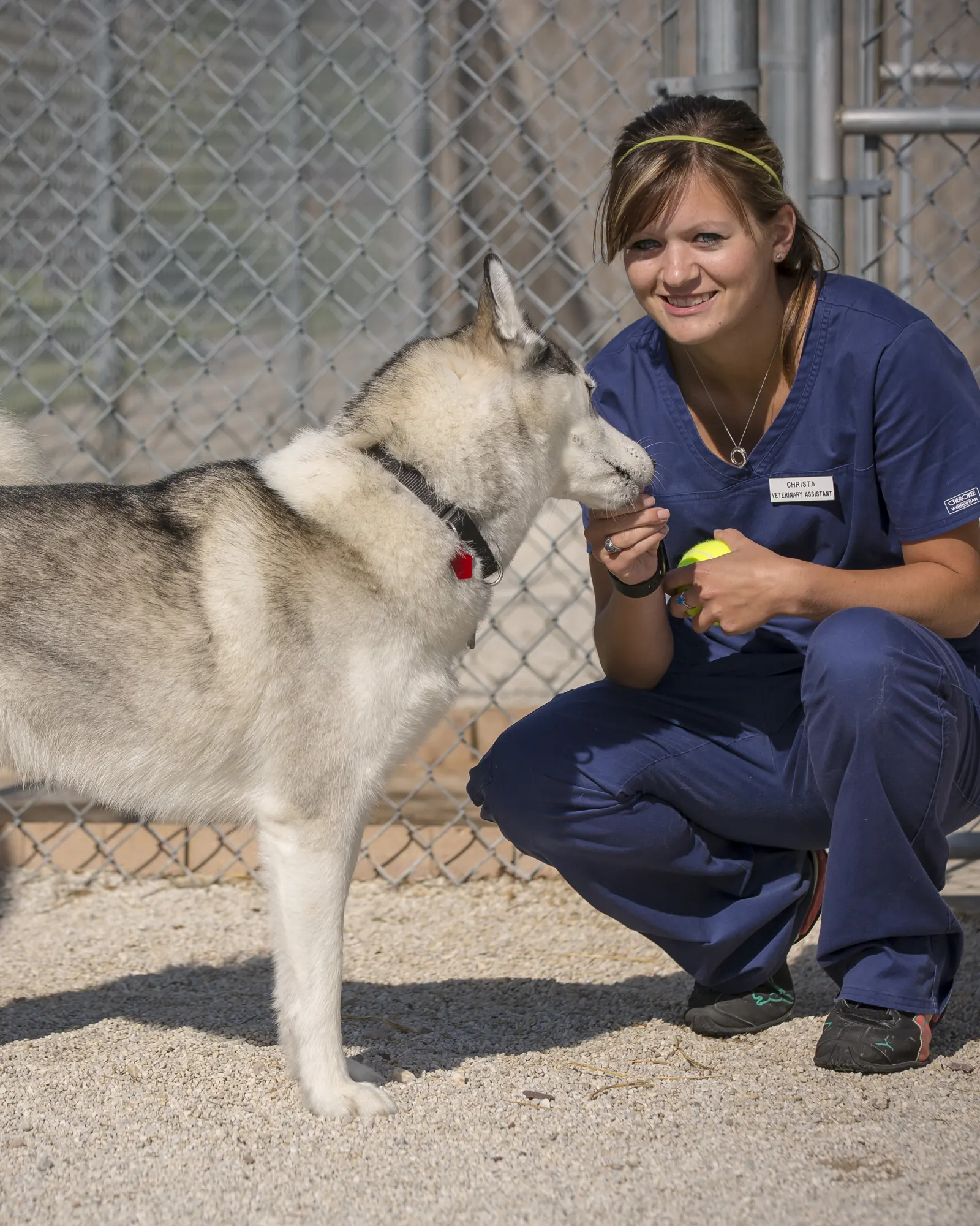
We recommend that all pets be microchipped
- Microchips help to give your pet the best chance of being identified should they ever become lost
- Although tags are important, they can tear or slip off
- A microchip is placed under your pet’s skin
- The microchip is scanned with a reader by animal clinics and humane societies
- Microchips are convenient, safe and reliable
- The procedure is simple and inexpensive
For more information about microchipping, please visit HomeAgain Microchips.
What to do if your pet is lost
Learn more on how to prevent losing a pet and what to do if your pet does become lost.
Body condition & obesity
Is my pet really fat?
Do you know what your pet’s current weight is? Do you know what the ideal weight is for your pet? As important as your pet’s specific “weight number” is his body condition. Body condition is determined from a visual and touch perspective. A pet with a healthy body condition should have:
- A “waist” when viewed from above
- A “tucked stomach” when viewed from the side
- Ribs that can be easily felt through a thin layer of body flesh
If any of these 3 items are absent your pet may be overweight. If all are missing and you notice fleshy deposits over the chest, spine, and tail base your pet is obese. Refer to the Body Condition Score Chart for a more detailed listing of your pet’s body condition.
4–5
The ideal Body Condition Score (BCS)
Up to 40%
Of pets in the U.S. are considered overweight or obese
Obesity is a growing problem, linked to dozens of serious and even life-threatening illnesses and medical conditions.
2 years
Lean pets live an average of two years longer than overweight pets
Breed issues
Certain breeds of dogs are prone to obesity
Small breeds Cairn Terriers, Dachshunds, Scottish Terriers & Cavalier King Charles Spaniels.
Medium breeds Beagles, Cocker Spaniels, Basset Hounds, Shetland Sheepdogs.
Large breeds Labrador Retrievers, Golden Retrievers, Rottweilers.
Giant breeds Bernese Mountain Dogs, Newfoundlands, Saint Bernards.
Medical problems associated with obesity
- Diabetes
- Arthritis
- Compromised immune system
- High cholesterol
- Heart disease
- Heart failure
- Hypertension (high blood pressure)
- Breathing problems
- Greater risk of heat stroke
- Kidney disease
- Cancer
- Pain / orthopedic problems
- Pancreatitis
- Skin conditions
- Diminished quality of life
- Premature death
From our blog
Reading for your dog’s health
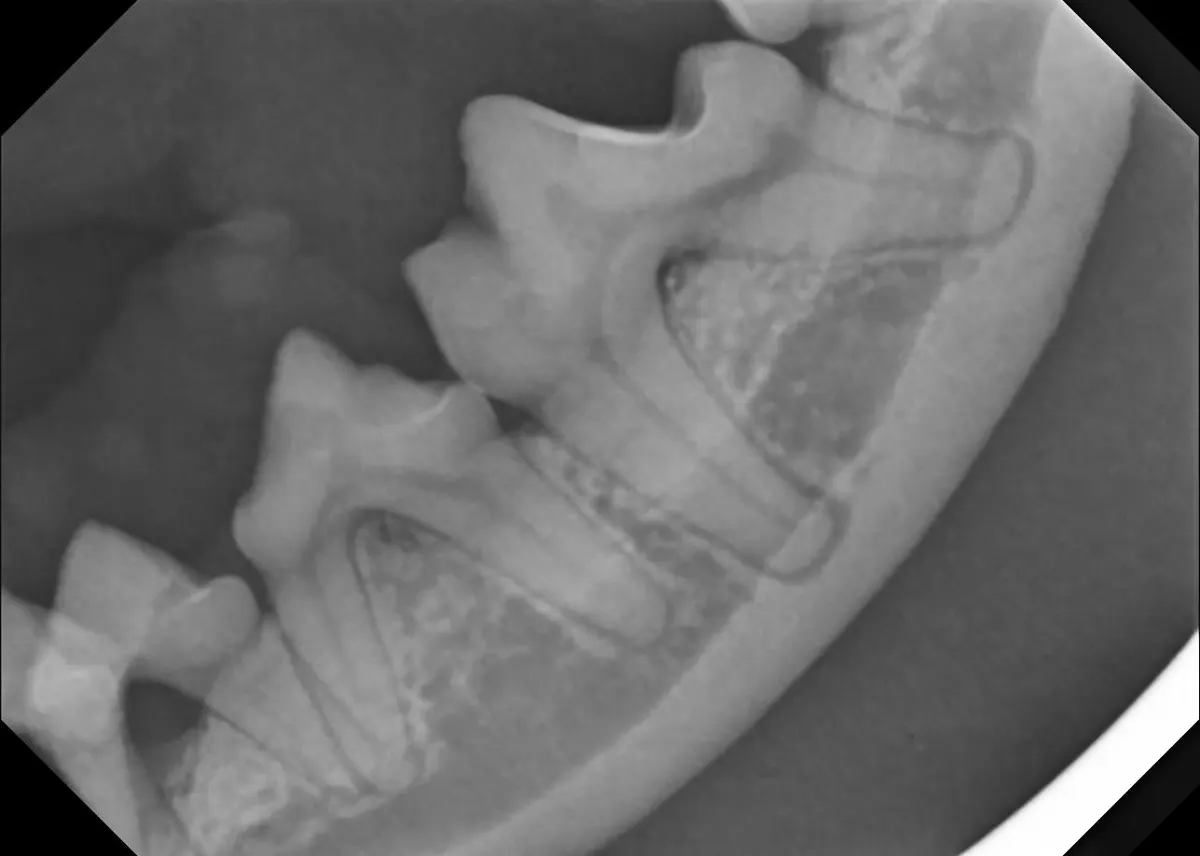 Why Does My Pet Need Dental X-rays? You may remember in our previous blog post; we discussed the various aspects of dental cleaning for your pet. During a dental prophy, we scale, clean… Read more
  Get baseline blood work results when your pet is healthy! Today, I learned the importance of having a baseline blood work history on my dog. Many pet owners don’t see the need in having blood work done on a… Read more
  Myths About Microchips - and what you need to know If you’ve adopted a pet from a rescue group or animal shelter, your new family member likely came with a microchip. What is a microchip and how does… Read more
 In their words
The hearts we’ve touched
“I arrived with a bag of pills and not much hope for Fina’s quality of life. Dr. Strickfaden listened, and within weeks my German Shepherd was on the road to recovery.”

“Years ago when all other vets gave up on my older dog Katy, Dr. Strickfaden got her back to agility competition form with acupuncture. I’m a big fan!”

“Countrycare Animal Complex is what I wish for all pets. Your compassion and genuine caring makes all the difference. Duke is a happy dog because of you.”

“Everyone there was great — from making the appointment to the vet tech to our vet. Everyone was super friendly and nice. They took their time. We didn’t feel rushed. We were very happy and grateful to the staff.”
“Dr. Heintz was so gentle and compassionate with our dog. The vet tech was so kind and understanding with all of the questions that I asked her. They made me feel comfortable with the decisions that we made for Maddie.”
See all testimonials →
1 of 5