
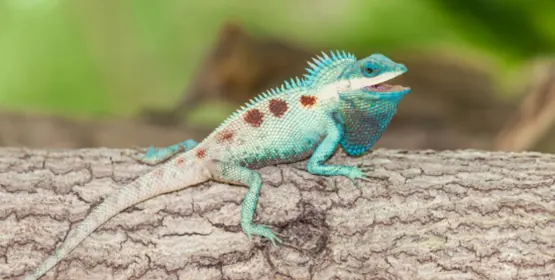
 What a tumor is Benign or malignant A tumor (or mass) is an abnormal growth of tissue which can be either benign (a localized growth that does not tend to act aggressively and tends to not spread to other areas) or malignant (a cancerous growth with the potential to spread to other areas of the body).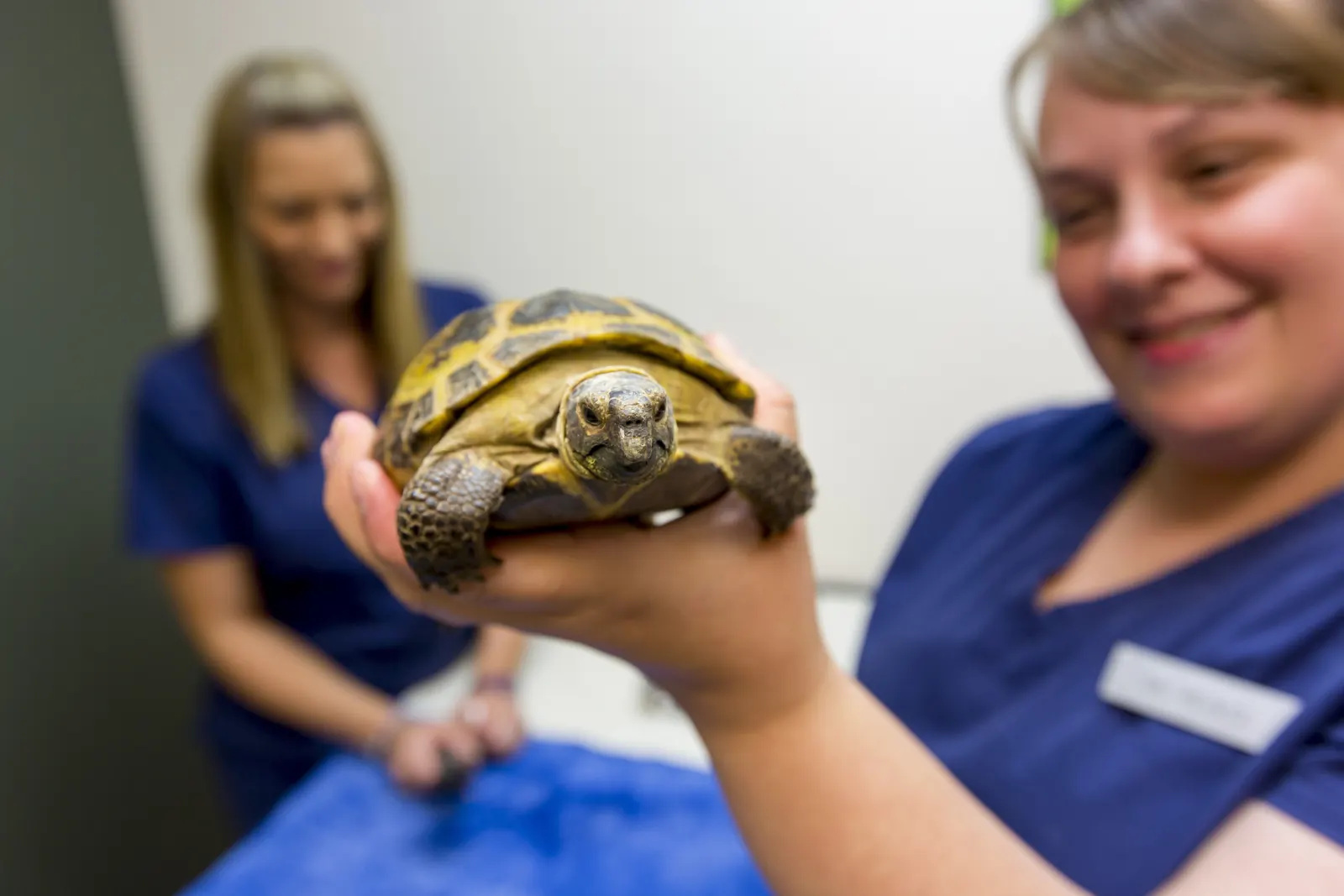
Medical & surgical care
Medical & surgical care for reptiles
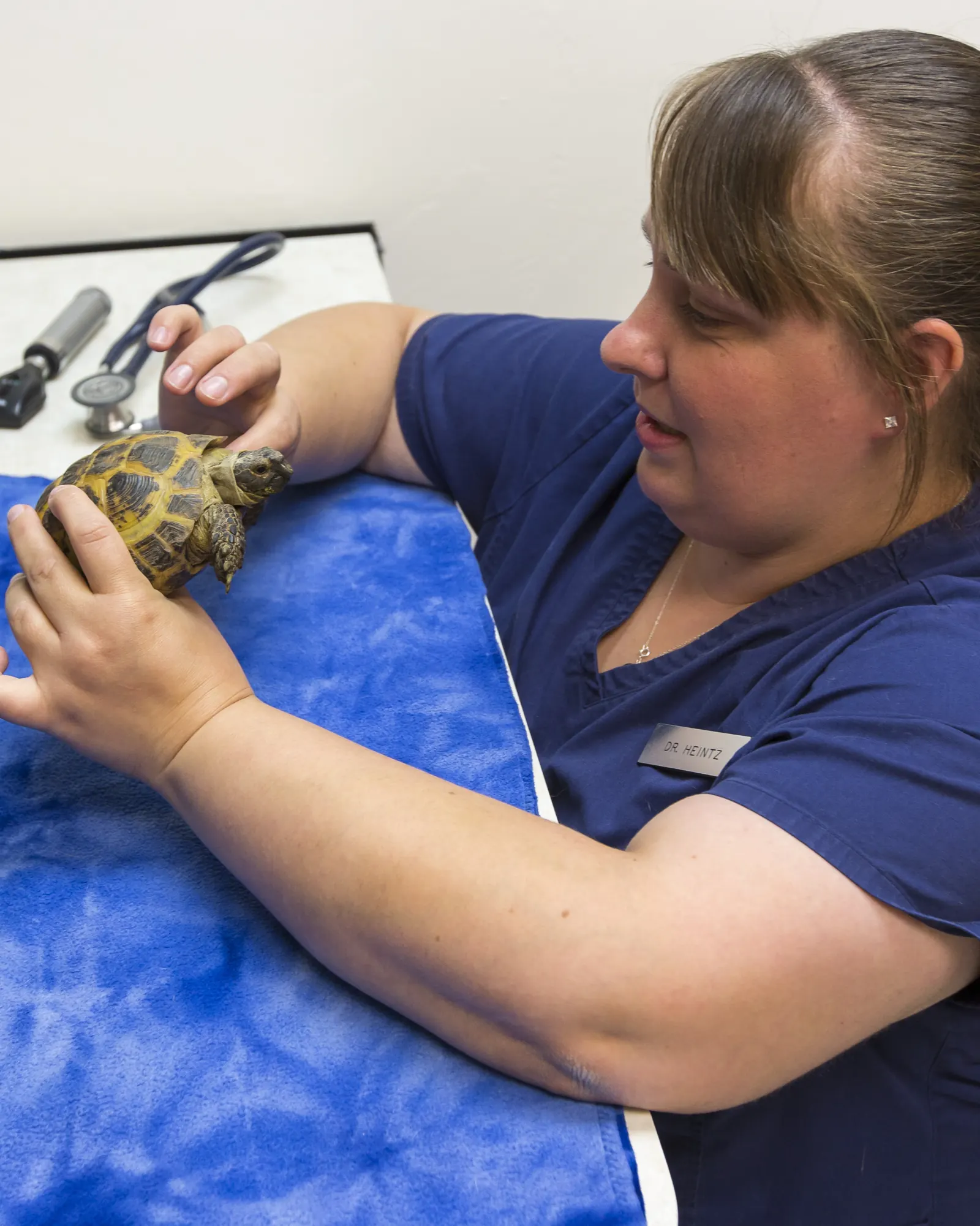
Caring for reptiles can be complicated since they often hide their illnesses.
Lizards, snakes, turtles & tortoises
More critical than we can see
Because reptiles hide their illnesses, a sick exotic pet is often much more critical than we can see.
For surgical procedures we reduce stress and provide the best pain management options for them to help ease recovery.
Lizards
Soft tissue mass/tumor removals
What a tumor is Benign or malignant A tumor (or mass) is an abnormal growth of tissue which can be either benign (a localized growth that does not tend to act aggressively and tends to not spread to other areas) or malignant (a cancerous growth with the potential to spread to other areas of the body). 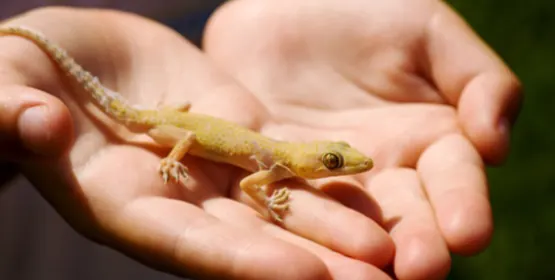 When we remove it Why surgery is often recommended Due to the potential of any abnormal growth to be cancerous it is often recommended to surgically remove the growth if it is growing rapidly in size, changing shape or color, in an area of high motion that could affect the pet’s ability to move comfortably, causing pain or irritation to the pet.
 Snakes
Soft tissue mass/tumor removals
A tumor (or mass) is an abnormal growth of tissue which can be either benign (a localized growth that does not tend to act aggressively and tends to not spread to other areas) or malignant (a cancerous growth with the potential to spread to other areas of the body).
Due to the potential of any abnormal growth to be cancerous, it is often recommended to surgically remove the growth if it is:
- Growing rapidly in size
- Changing shape or color
- In an area of high motion that could affect the pet’s ability to move comfortably
- Causing pain or irritation to the pet
Turtles & tortoises
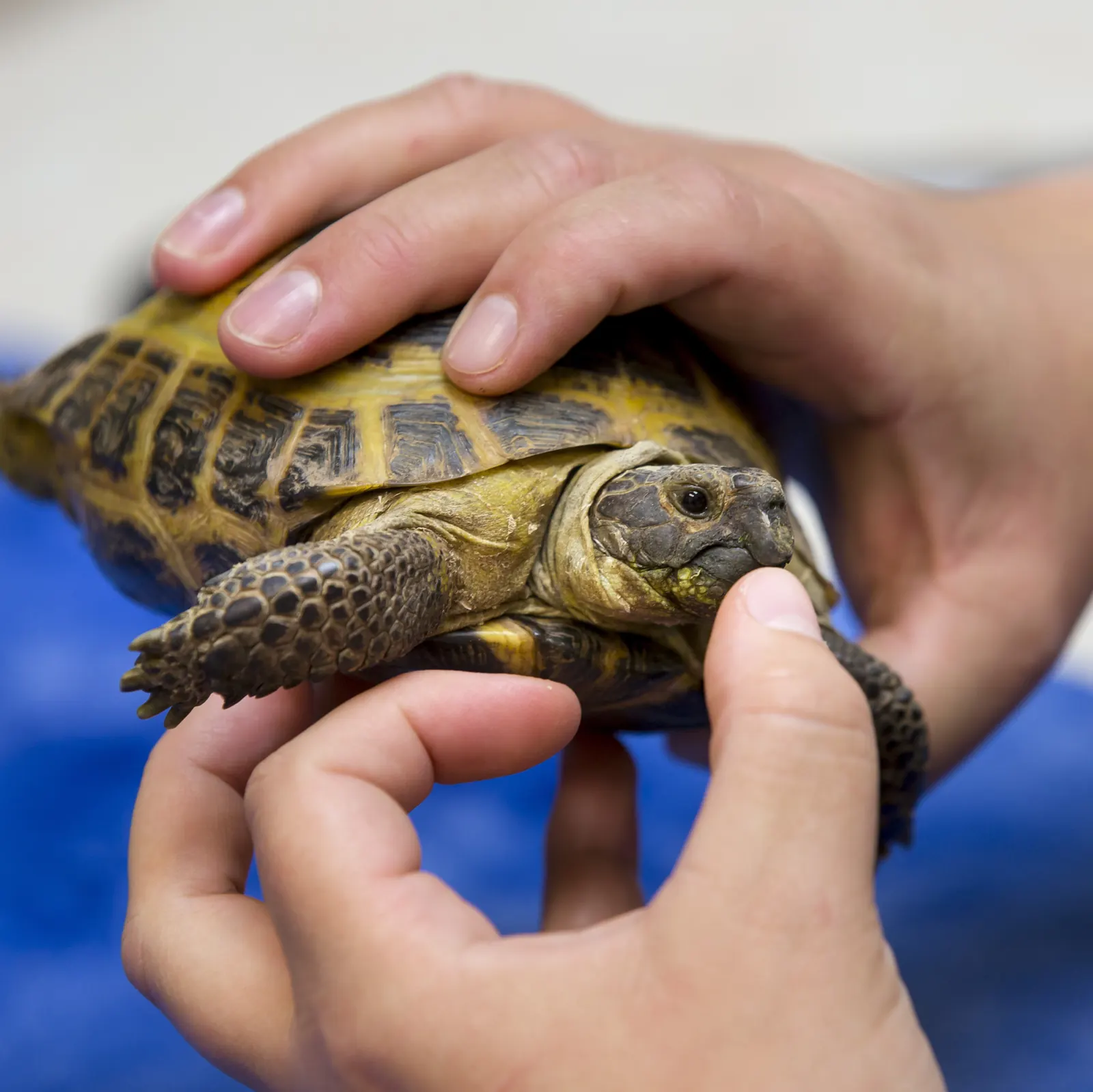
Beak trimming and shell repair
Beak trimming The beak of a turtle or tortoise may become overgrown due to improper nutrition or husbandry care, or may become cracked and damaged due to traumas. Trimming of the beak may be needed to help prevent further trauma and breaking or to help shorten the beak to allow for normal eating.
Minor shell repair Shell damage or cracking is most commonly due to trauma from accidents by the owner (such as being stepped on or being run over) or due to trauma from other pets in the household (like being bitten by a dog). Shell cracking and damage can also occur due to improper nutrition or husbandry issues but are not seen as commonly. Since a turtle or tortoise depends on its shell to help protect its internal organs, damaged shells must be fixed in a timely manner.
From our blog
Reading for reptile owners
 Do you want a pet reptile? Have you ever considered a pet reptile? You have probably walked through your local pet store and looked at all the cool animals from birds, to guinea… Read more
  Exotic pets need love, too! Don't overlook their veterinary needs. The term “exotic pets” can be confusing to people. You might envision wild animals from deep in the jungle that were smuggled out of a country far… Read more
  Are You Prepared for a New Pet? Adding a new pet, whether furry, feathered, or scaled can be an exciting time! It’s fun to look for the pet with the most smoochable face, the softest… Read more
 In their words
The hearts we’ve touched

“I arrived with a bag of pills and not much hope for Fina’s quality of life. Dr. Strickfaden listened, and within weeks my German Shepherd was on the road to recovery.”

“Years ago when all other vets gave up on my older dog Katy, Dr. Strickfaden got her back to agility competition form with acupuncture. I’m a big fan!”

“Countrycare Animal Complex is what I wish for all pets. Your compassion and genuine caring makes all the difference. Duke is a happy dog because of you.”

“Everyone there was great — from making the appointment to the vet tech to our vet. Everyone was super friendly and nice. They took their time. We didn’t feel rushed. We were very happy and grateful to the staff.”
“Dr. Heintz was so gentle and compassionate with our dog. The vet tech was so kind and understanding with all of the questions that I asked her. They made me feel comfortable with the decisions that we made for Maddie.”
See all testimonials →
1 of 5