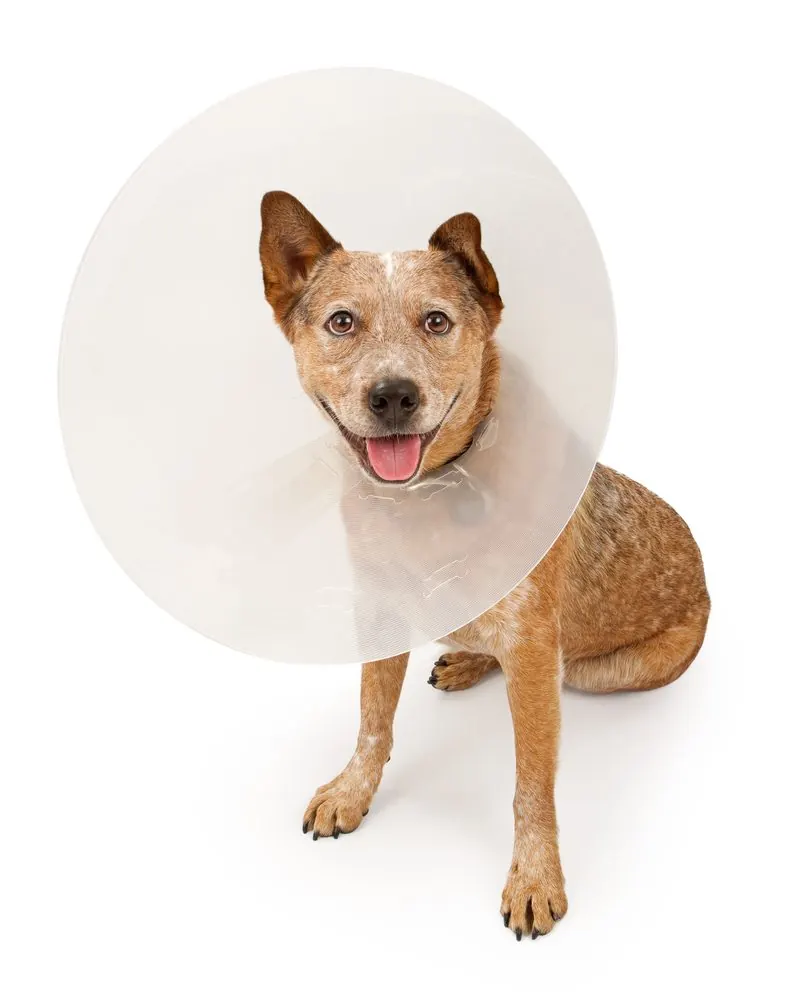
Adding a new puppy or kitten to your home is such an amazing time! All the snuggles, the funny little antics, the puppy or kitty kisses, and, of course, more snuggles. (Did I mention the snuggles? Lol!) But it can also be a stressful time. Navigating potty training, scheduling vaccinations, and planning for a spay or neuter surgery are all part of owning a puppy or kitten.
For some people, the word “surgery” can be scary, whether it’s for people or for pets. It can be difficult when you don’t know what is happening or what to expect. I want to explain our process for spaying and neutering pets so you can feel better prepared to help your pet through the experience.
Please keep in mind that every veterinary clinic may do things a little differently. This blog is meant to give you a brief overview of what you can expect when your pet has surgery with us.
Checking In for Surgery
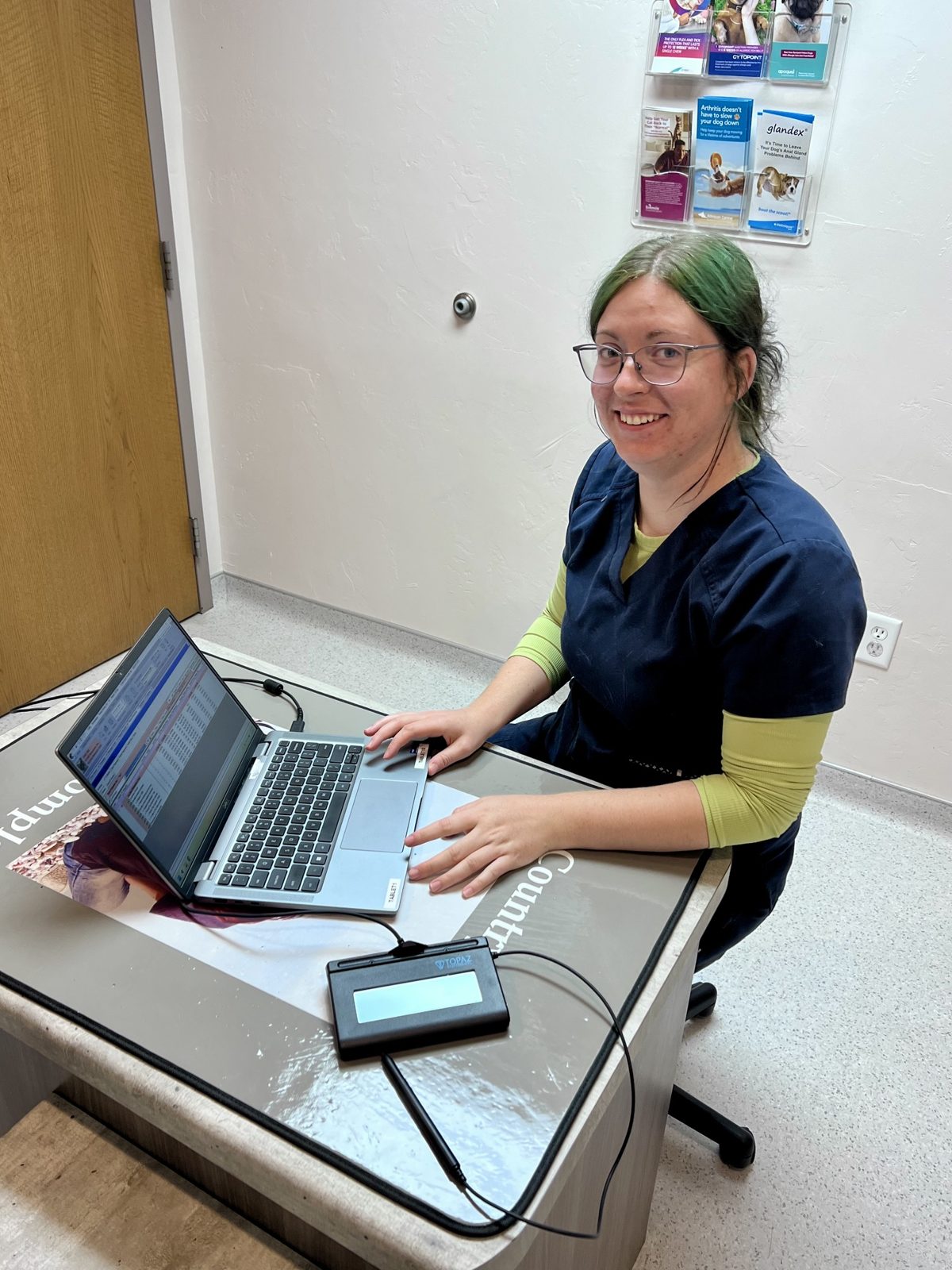
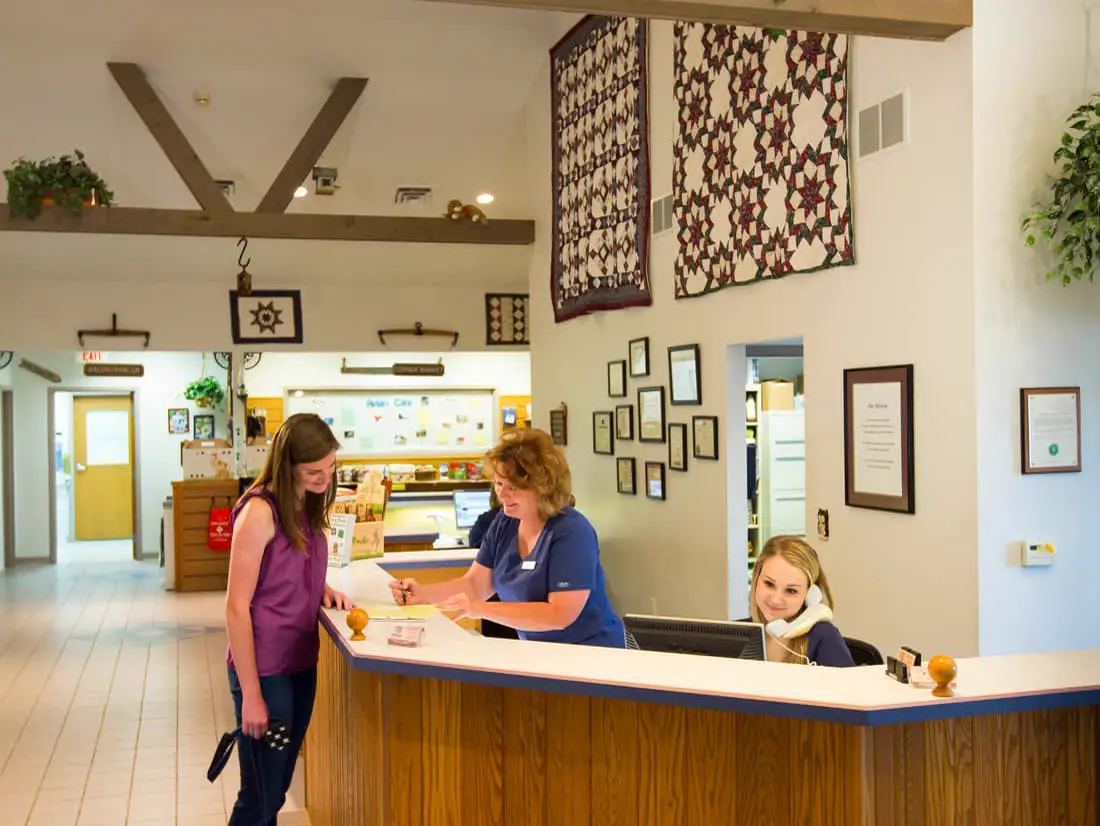
On the morning of your pet’s surgery, we will give you a surgical check-in time. During check-in, you will meet with one of our surgical technicians. They will briefly review your pet’s history and double-check what medications and supplements your pet takes. They will also ask what, if anything, your pet received that morning.
The technician will then review the treatment plan and any options available for the procedure. These options may include pain medications to take home after surgery. You may also choose a protective cone or surgical suit to help protect the incision.
The technician will also verify the best phone number to reach you during the procedure. We want to be able to reach you quickly if we find anything unexpected or need to make changes to the treatment plan. We will also use this number to contact you when your pet’s surgery is finished.
The doctor will then come in briefly to see if you have any questions about anesthesia or the surgery in general. She will also go over a few surgical details. This is similar to what happens when a person has surgery, but instead of your primary physician, anesthesiologist, and surgeon all coming in to chat, you get it all with one person: your veterinarian.
Getting Ready for Surgery
After the check-in process, the surgical technician will start preparing your pet for surgery. The first step is placing an IV catheter. This allows us to administer medications more safely and easily during anesthesia. It also allows us to give fluids during surgery.
Providing fluids during surgery can help maintain proper blood flow to the organs. Fluids can also help us maintain a safe and normal blood pressure while your pet is under anesthesia.
If we haven’t already evaluated your pet’s bloodwork, we can draw blood after we place the catheter. This helps us look for abnormalities in organ function, such as changes in the liver or kidneys, that could affect how your pet handles anesthesia medications.
Bloodwork is optional, but it helps us provide the safest anesthesia possible for your pet. If the bloodwork shows significant changes or problems, your surgery team will call you. We will discuss postponing the surgery while we work on a plan to best help your pet.
The surgical team will then start by premedicating the first two patients of the morning. These medications help your pet relax and get their pain medication started before surgery, which helps them stay more comfortable throughout the process.
The order of surgeries in the morning depends on the number of patients and types of surgeries we have scheduled. We consider each patient’s health concerns and anxiety level. Because of this, your surgery check-in time does not always correspond with the time of your pet’s actual surgery.
While they wait for their turn, pets get to rest comfortably in their presurgical/recovery kennel.
Preparing for Surgery
When your pet is ready for surgery, we move them to the surgery prep area. Here, your pet gets to enjoy some cuddles while we give them medication through their IV to help make them sleepy. Once they are sleepy, the surgical technician places a breathing tube into their airway. We then start them on gas anesthesia, which will continue during their spay or neuter surgery.
The surgical technician then prepares the surgical area by shaving the fur. We move your pet into the surgery room and clean the surgical area with a surgical scrub. This helps reduce potential contamination and keeps the surgical site as clean and sterile as possible.
While one technician prepares your pet, another surgical technician or veterinary assistant prepares the surgery table for the doctor. The team prepares the surgical instruments to make sure we have all the correct tools for the procedure.
We use a new set of sterilized surgical instruments for every surgery.
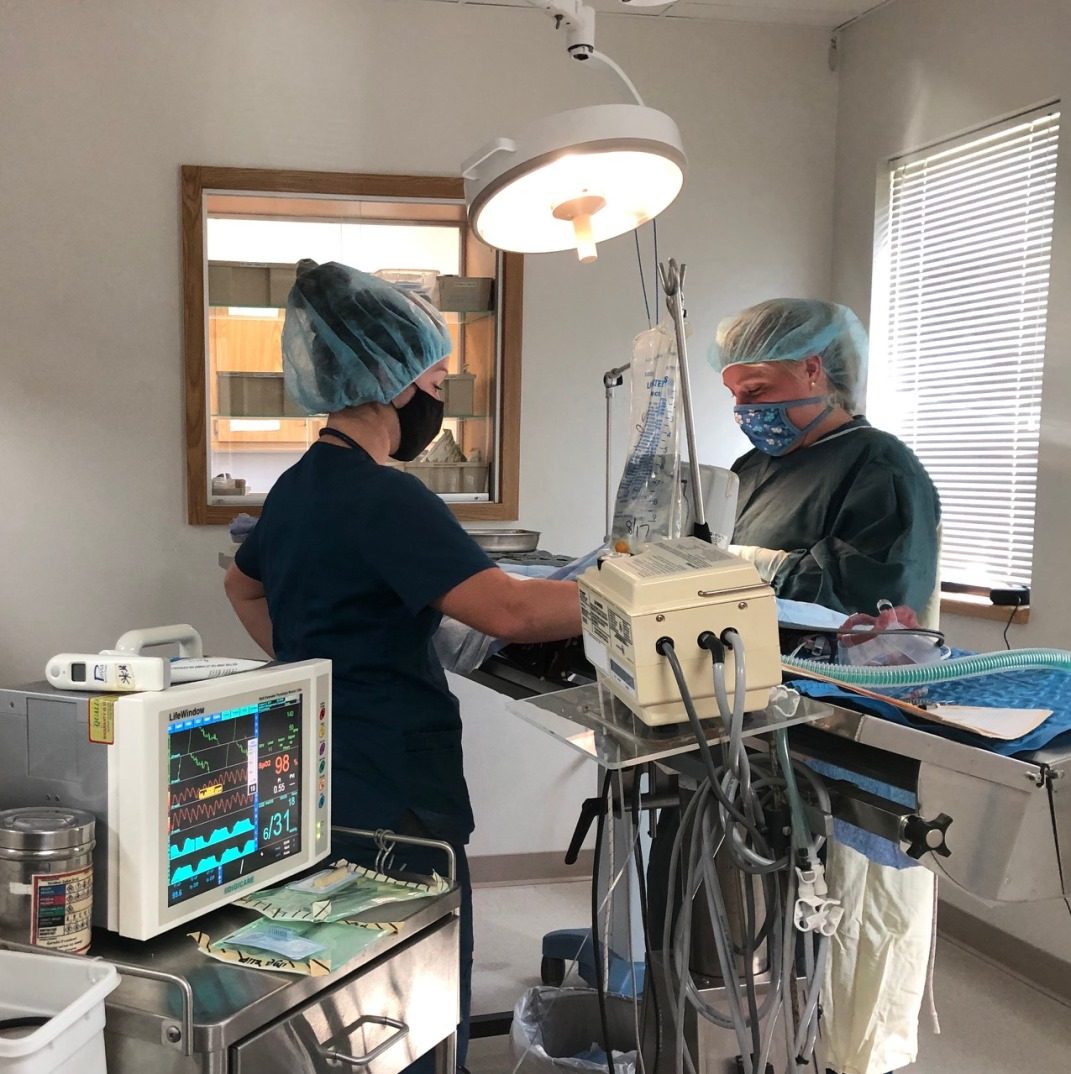
While the surgical technicians prepare your pet, the veterinarian gets ready for the procedure. The doctor puts on a surgical cap and mask to help prevent contamination during the surgery. She then scrubs and cleans her hands and nails using a sterile surgical scrub. Next, she puts on a sterile gown and surgical gloves. All of these steps help reduce the risk of surgical contamination and infection.
During the Surgery
After all of these steps are complete, the spay or neuter surgery begins. While the veterinarian performs the surgery, the surgical technician carefully monitors your pet’s vital signs.
We watch several things throughout the procedure. We monitor your pet’s EKG for heart rhythm changes or abnormalities. We watch their heart rate and breathing. We also check their temperature to make sure they do not get too cold. And, we monitor their blood pressure as well.
Your surgical technician has extensive training in anesthesia and works carefully to help keep your pet as safe and comfortable as possible. During surgery, we also keep your pet on our heated surgery table to help prevent them from getting too chilly.
Keeping your pet at the proper body temperature helps them have an easier recovery after surgery.
Recovery and Going Home
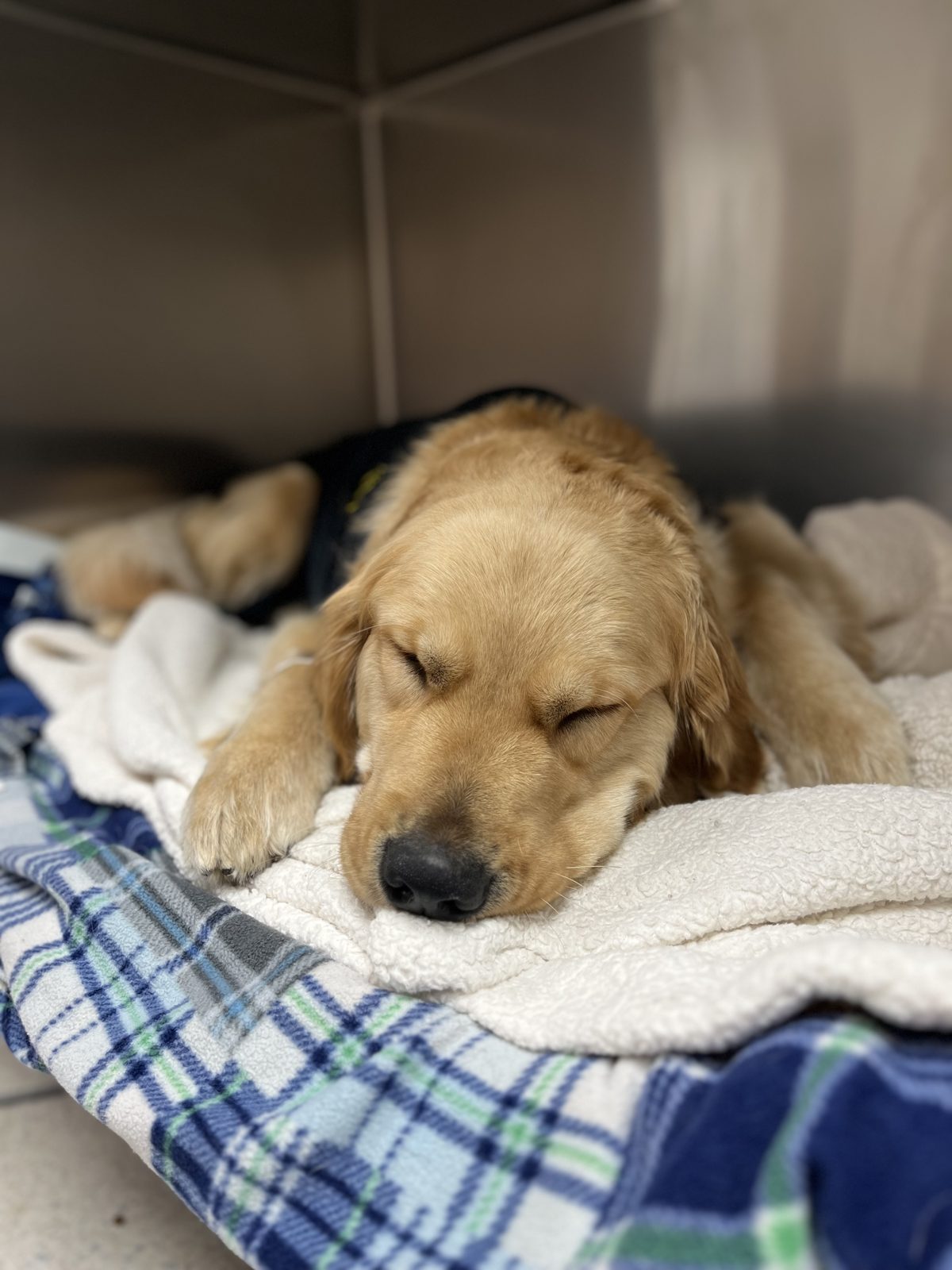
When the surgery is complete, we move your pet into their recovery kennel. There, they get comfy blankets to cuddle up with. We may also give them a heating pad if necessary so they can be as comfortable as possible as they awaken.
Just because your pet’s surgery is finished does not mean that we stop monitoring them or giving them extra love. The surgery team continues to monitor their temperature and other vital signs until they fully recover and wake up.
We keep your pet snug in their recovery kennel until they are ready to go home. Once they get home, they will need some additional TLC from you and plenty of rest during their two-week recovery period.
Leaving your fur baby for their spay or neuter surgery can be stressful for you. It may be your first time being away from them, and, well, it’s surgery. Knowing what their day will look like can help make the experience a little easier.
Most importantly, know that while your pet is with us, our team gives them the care, love, and cuddles they need. We want both you and your pet to feel as relaxed as possible throughout the entire process.