General

Our Veterinarians – Skilled Care and Compassionate Hearts

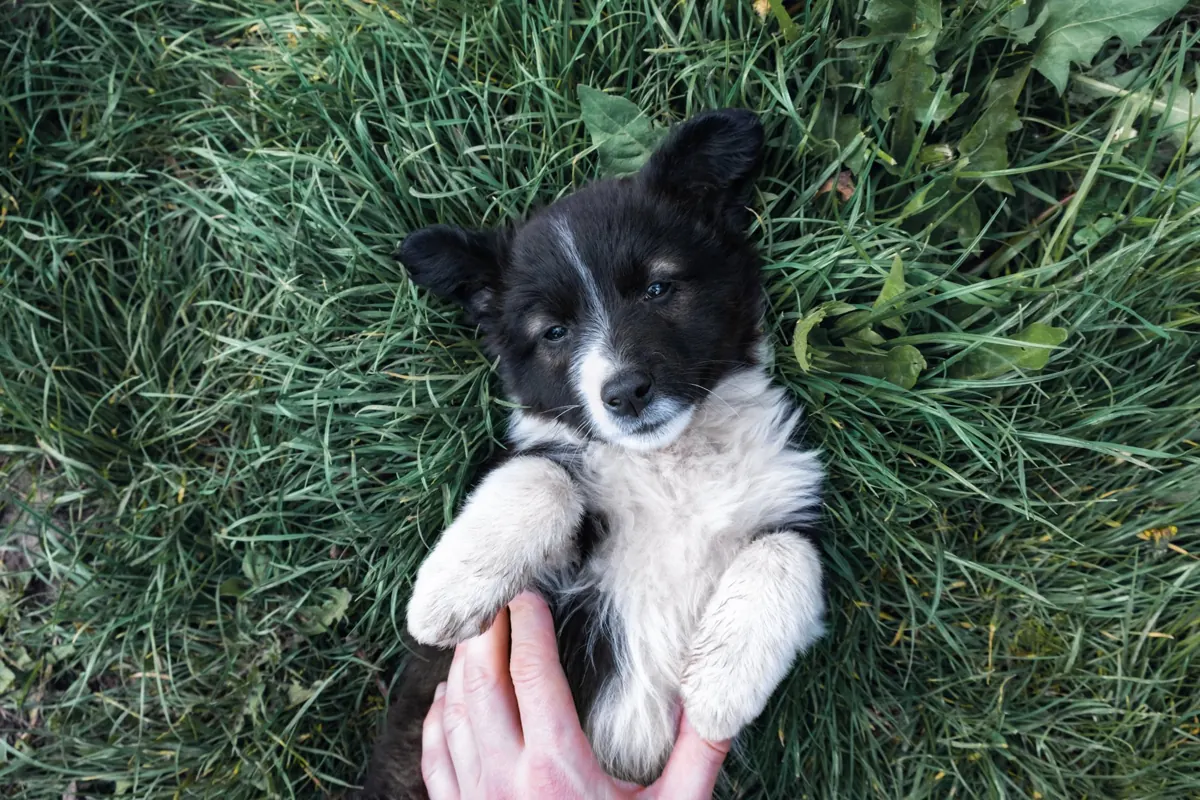
A puppy rolls on its back in the grass for a belly rub

There’s no denying that ever since I was a little girl, I loved animals…I mean, I really loved animals. I remember way back to daycare, when someone brought baby bunnies in for us to see. Most kids petted them and were done. Not me; I took those bunnies everywhere with me!

Passion for Animals

I was the kid who wanted to play with the cat or the dog rather than watch the Sunday family movie. I knew early on that I wanted to work with animals. I wanted to be a vet!

I knew that I loved animals and wanted to help them, but I didn’t realize all the things that a veterinarian does. In previous blog posts, we have spotlighted some of our teammates who play an integral part in keeping your pet happy and healthy. Today, we will focus on the veterinarians.

While having a true love and passion for animals is a critical part of being a veterinarian, there is so much more that goes into what we do. Let’s start at the beginning.

Becoming a vet

Education

To become a veterinarian involves a lot of schooling and training. We first obtain a traditional four-year college degree. Then, we continue to vet school for an additional four years. Specialists, like animal cardiologists, have even more schooling!

4 + 4

Years of college, then vet school

36

Accredited veterinary colleges in the United States

~100

Students most schools accept a year

With so few veterinary colleges available, getting into vet school is extremely competitive.

During vet school, we must study the following topics:

  • anatomy (what makes up the body)
  • physiology (how parts of the body work)
  • pharmacology (medications, what they do, how they work, and how they interact)
  • surgery
  • ophthalmology (study of eyes)
  • dentistry (study of teeth)
  • parasitology (about bugs and worms that may affect your animal)
  • and so much more!

Veterinary students not only learn these subjects, but we also learn them for multiple species! We learn anatomy, pharmacology, surgery, etc., for

  • dogs
  • cats
  • rabbits
  • cows
  • horses
  • chickens
  • sheep
  • snakes
  • pigs
  • and more!

At the end of the four years, vet students must then pass a specialized board exam (just like human doctors do) to be able to practice medicine with their Doctorate of Veterinary Medicine (DVM.) This test includes questions on all species, all areas of medicine, and even statistics and risk analysis of diseases.

The education doesn’t stop once we’ve earned our DVM degree. We are continually training and learning new techniques to stay current with changes in medicine and treatment options.

A vet’s day

Daily Responsibilities

Life as a veterinarian is never dull! Here are just some of the activities that make up our days:

  • Performing comprehensive physical exams
  • Diagnosing illnesses and injuries
  • Interpreting lab results and X-rays
  • Developing treatment plans that fit the needs of the pet and the pet’s family
  • Prescribing and managing medications and supplements for your pet’s individual needs
  • Performing surgery and dental procedures
  • Providing preventative and wellness care
  • Counseling on nutritional needs and dietary supplements and options
  • Incorporating holistic and non-traditional therapies
  • Managing chronic medical conditions
  • Communicating with clients and helping them make informed decisions regarding their pet’s care
  • Collaborating with and leading the health care team

And this list is just a small part of what they do in a day!

Pets cannot tell us what hurts or where it hurts.

Veterinarians not only juggle multiple tasks and multiple patients, but we also often have to play detective. Pets cannot tell us what hurts or where it hurts. They can’t tell us why they are acting oddly. (Like, did they stop eating because they are nauseated, or do they not like the new flavor of food you bought?) The vet must piece together what the family is seeing at home with what we see on exam. Then, we can start to figure out what test is needed or what the best treatment options would be.

For you, too

Compassion for the Whole Family

Medical knowledge and skills are essential as a veterinarian, but they are only part of what makes us who we are. Our primary task is to care for the pets, but we are also there for you and your family. We are there for the happiest moments (like when you got your new puppy), but also in the hardest moments (like when you had to say goodbye).

Veterinarians understand that every pet is an important member of the family. We understand that not all decisions are easy. Vets are here to listen to your concerns and help to find solutions that are best for you and your pet. We show compassion and empathy even when things become difficult.

Our doctors

Meet Our Doctors

Meet our doctors
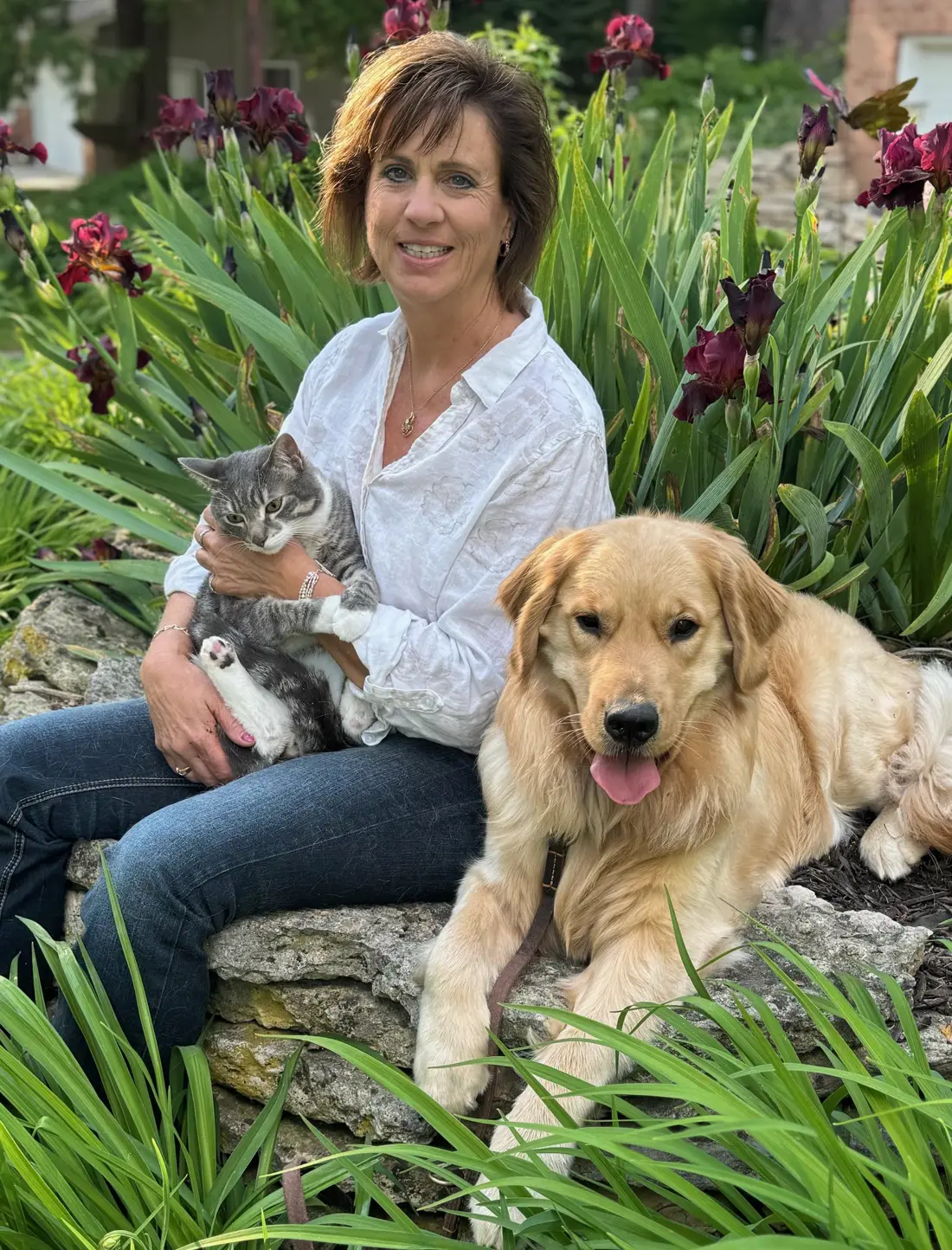
Dr. Karen Strickfaden sits in a garden with a gray cat on her lap and a golden retriever beside her

Dr. Karen Strickfaden

Dr. Strickfaden earned her Doctor of Veterinary Medicine degree from Michigan State University and holds certifications in veterinary acupuncture and veterinary spinal manipulation therapy. Inspired by her own medical experiences, she developed a passion for holistic medicine and enjoys the challenge of helping animals with complex conditions, especially those that have been difficult to treat. Originally from Troy, Michigan, she enjoys scrapbooking, horseback riding, and spending time with her beloved pets, Chaz, a Boxer mix, and her cats, Pooh and Tigger.
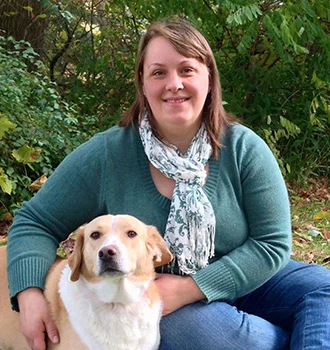
Dr. Aili Heintz sits outdoors with her arm around a yellow Labrador mix

Dr. Aili Heintz

From furry companions to feathered and scaly friends, Dr. Heintz loves helping animals of all kinds live long, healthy lives. A Wisconsin native, she earned her veterinary degree from the University of Illinois at Urbana-Champaign and has practiced small and exotic animal medicine and surgery ever since. Outside the clinic, she enjoys cooking, gardening, outdoor adventures, and time with her husband, two energetic boys, and beloved dog, Bonnie.

Next time you bring your pet to the vet clinic, remember that behind every diagnosis, treatment plan, successful surgery, and difficult conversation is a vet who has dedicated their life to helping animals and their families. No two days are ever alike, and each day brings new things to learn. Being a vet is not only helping animals, but helping their families and watching their connection and love grow together. Being a veterinarian is truly a calling. It’s a calling I am glad that I followed!