
 Itching for Answers? Understanding Allergies in Pets Just like people, pets can develop allergies that affect their comfort, health, and quality of life. While occasional scratching is normal, persistent… Read more
Medical Issues
Big Love, Little Dogs: Understanding Common Small-Breed Health Issues

Big or small, we love them all! But not all dogs are the same. Sometimes a particular breed is prone to specific conditions or issues. Sometimes it depends on their lifestyle (like whether they are a couch potato or a working dog). And sometimes it may be based on their size or weight.
Today we are going to focus on a few health issues that are more common to see in the smaller or toy dog breeds. Please keep in mind that just because these common things are on the list, it does not mean that your smaller dog will get or have these. This blog is meant to get you familiar with things to monitor for and things that you might be able to do to help with some of the more common conditions that you may see in smaller and toy dog breeds.
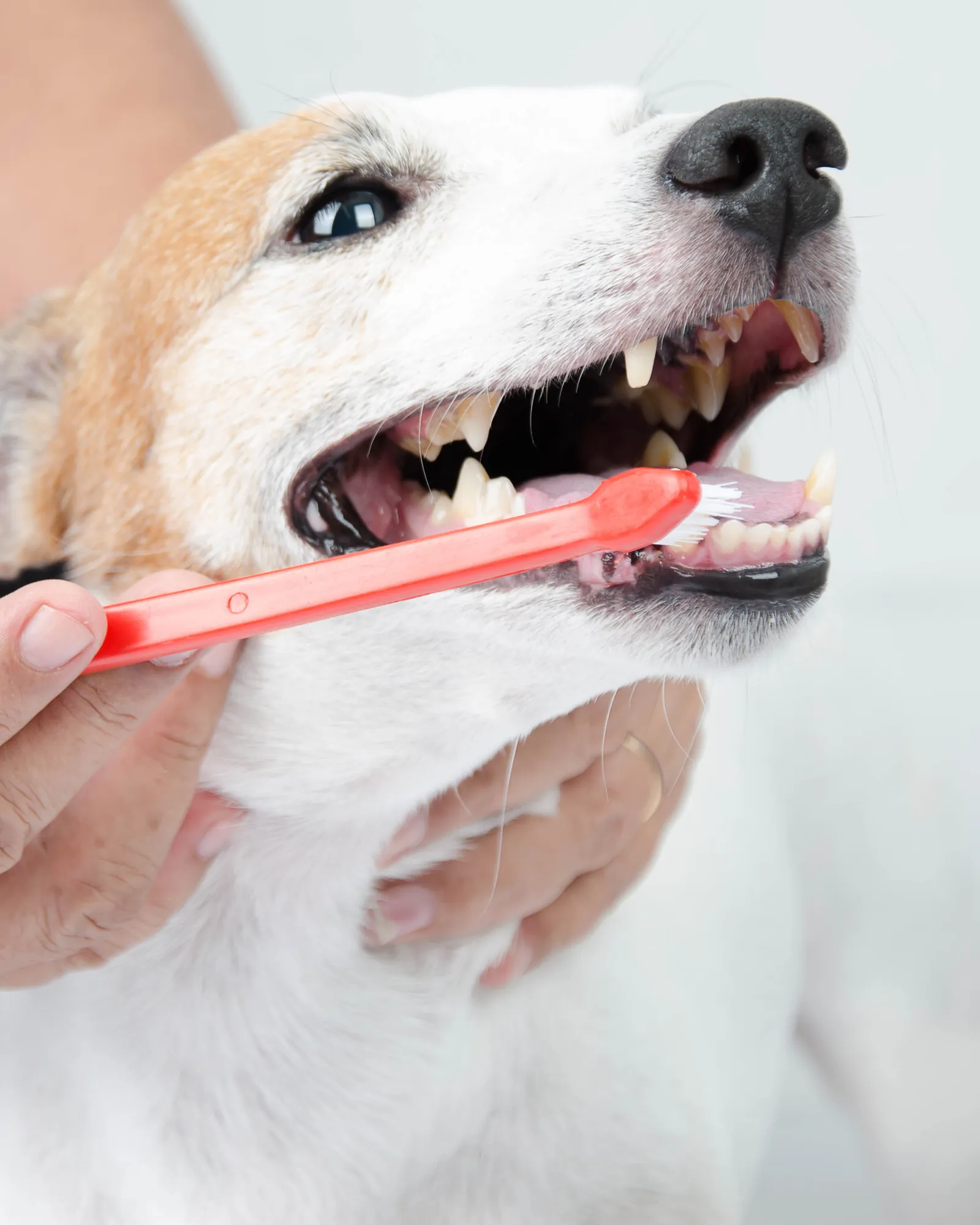
Dental Disease
Small breed dogs tend to have an increased occurrence of dental disease, bad teeth. A study published in 2021 in The Veterinary Journal looked at over 3 million dogs’ medical and dental records acquired from Banfield Pet Hospitals and included over 60 popular dog breeds across the United States. The researchers found that extra-small breeds (those weighing less than 14.3 lbs.) were up to five times more likely to be diagnosed with periodontal disease than giant breeds (those weighing more than 55 lbs.).
One of the factors that may influence this is that small breed dogs have the same number of teeth but in a smaller area/tiny jaw. This often results in teeth crowded together, turned, or overlapping, which can allow food particles and bacteria to be trapped, leading to dental disease. It is extremely important to set good dental care habits early to help reduce the occurrence of dental tartar and periodontal disease.
Luxating Patellas
A luxating patella (which is sometimes referred to as a slipping kneecap) is an orthopedic issue where your pet’s kneecap slides out of the normal groove, making it uncomfortable to walk. There are multiple different classifications of luxating patellas, ranging from those where the knee only pops out of place occasionally to those where the knee pops out consistently and does not go back into its normal position without someone placing it back in the groove for the pet.
Because the level/frequency of the luxation of the knee can vary, the signs and symptoms can also vary from no outward signs to holding up the leg completely and not using it. In more severe cases, surgical correction of the joint is needed to help keep the kneecap in the normal anatomical position. Due to luxating patellas causing abnormal wear to the cartilage in the joint, a joint supplement is typically recommended to help with joint and cartilage health.

Heart Conditions
Degenerative heart disease or mitral valve disease is a common problem in smaller-breed and toy breed dogs. This heart condition can develop over time and can lead to the audible change that your veterinarian can hear with their stethoscope as a heart murmur. With early heart disease, you may not be able to notice any visible changes with your pet; in later stages, things such as coughing, particularly at night when lying down or with exercise, may be seen.
Treatment options are available based on how severely the heart is affected. More frequent exams to monitor for progression of heart changes, chest X-rays to watch for visible heart enlargement, or referral for echocardiograms (ultrasounds of the heart) may be needed if your pet is diagnosed with a heart problem.

Narrowed/Collapsing Tracheas
The trachea, which is the “breathing tube” or “windpipe”, in a pet is made up of C-shaped cartilage rings with a flexible membrane on the top. For some pets, that flexible membrane may be looser, or the breathing tube may be narrower due to weaker cartilage rings. This can cause difficulty breathing or a distinctive-sounding cough, which may worsen with increased excitement or exercise. The primary underlying cause for this issue is believed to be a genetic defect in smaller breed dogs in the cartilage that makes up the structural rings on the trachea.
Depending on the severity, monitoring for changes, supplements or medications, or in more severe cases, surgery may be needed to help your pet. Please keep in mind that a cough can be due to many other things as well, including a respiratory infection or heart condition. If your small dog is experiencing a cough, please reach out to your vet ASAP so they can provide treatment (if necessary).

Hypoglycemia
Hypoglycemia is the medical term for when your blood sugar becomes too low. This is most commonly seen in toy breeds and teacup breeds, especially as puppies. This is partially thought to be because as a puppy small breed dogs have high metabolic rate and burn through calories and energy/sugars quickly.
Things such as decreased food intake, increased activity or stress, or underlying diseases such as intestinal parasites and diarrhea are also all common triggers for this issue. Pets who are having a hypoglycemic episode may appear suddenly weak, stagger, or can appear very tired or disorientated. In severe cases, pets may have a seizure or go into a coma. If identified early, this is a condition that can be helped and monitored closely with your vet.

Please remember that not every little dog will have all these health issues (these are just things we see more frequently in smaller breed dogs) and that this list is not all-encompassing. Small and toy dog breeds make excellent family members and tend to have a longer life expectancy as compared to the giant breeds like Great Danes; however, being informed about their genetic predispositions can help to make sure that they live the most comfortable and happy life possible.
If you have any questions about your pet or are concerned that your small breed dog may have some of the issues described above, please reach out to your veterinarian for an exam and to discuss the best way to help your fur baby live their best life.
Related articles
Itching for Answers? Understanding Allergies in Pets Just like people, pets can develop allergies that affect their comfort, health, and quality of life. While occasional scratching is normal, persistent… Read more  Arthritis in Pets, Helping Them Stay Comfortable Through the Years As we all get older, we tend to get some aches and pains. Getting off the floor may not be as easy as it once was, or walking up those stairs may take… Read more
 Why an Exam Matters, Even When Symptoms Look the Same You wake up bright and early for work, ready to conquer the day. Your day is full of meetings and work projects, running the kids to sports practices… Read more