1 Less pain The laser seals nerve endings as it “cuts”. As a result, your pet will experience less pain and be more comfortable post-operatively.
Surgical care
Surgical care for dogs
We offer a wide variety of surgical services for dogs, including elective, soft tissue, orthopedic, and eye surgeries.
The highest standards
Surgical, anesthetic and nursing care for dogs
You can rest assured that your dog will receive the very best surgical care, including:
- Anesthesia is tailored to the specific age and health issues of your pet
- An IV catheter is placed prior to surgery to allow for emergency administration of medication
- Doctors are assisted by Certified Veterinary Technicians (CVTs)
- Pain medication is given before and during surgery
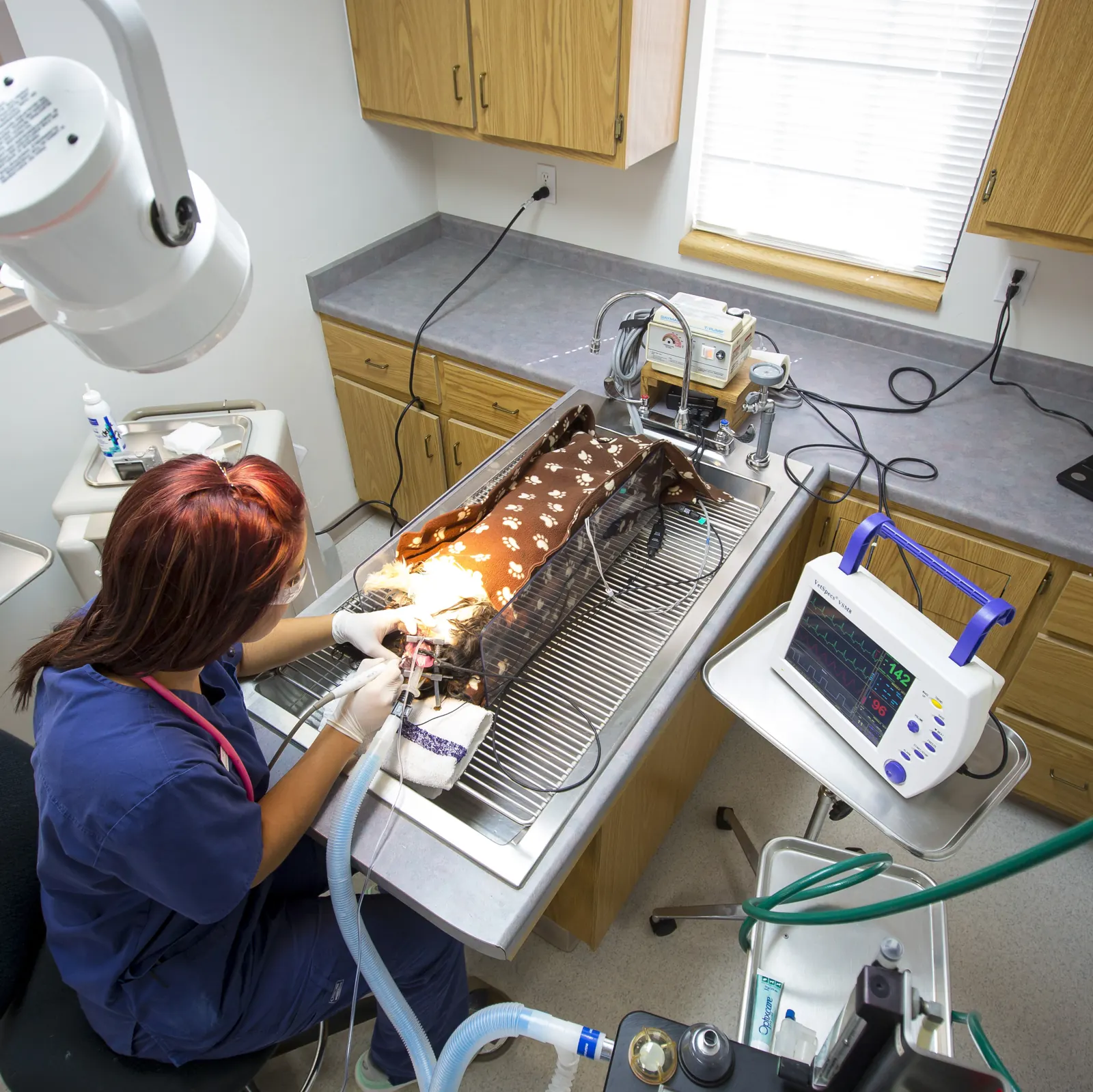
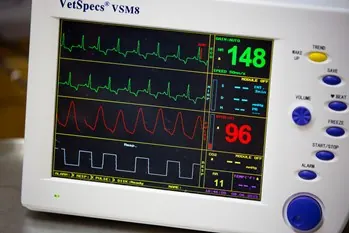
- Vital signs are continually monitored during surgery: pulse oximetry, EKG, temperature, blood pressure, capnography (CO2)
- Thermal regulating equipment is used to maintain your pet’s body temperature during both surgery and recovery
- Your pet is constantly monitored by a CVT during recovery from anesthesia
- Additional optional services are available to make your pet comfortable while appreciating individual budget constraints
If you choose to compare fees with other clinics, make sure that you evaluate the same quality of care.
When your pet needs surgery
Preparation starts long before the surgery itself
For those times when surgery is needed for your pet, you can be assured that Countrycare provides the highest standards of surgical, anesthetic and nursing care.
Before surgery
Consultation
A consultation about your pet’s procedure.Before surgery
Pre-surgical exam
A pre-surgical exam to evaluate for anesthetic or surgical concerns.Before surgery
Pre-anesthetic blood work
Pre-anesthetic blood work.During surgery
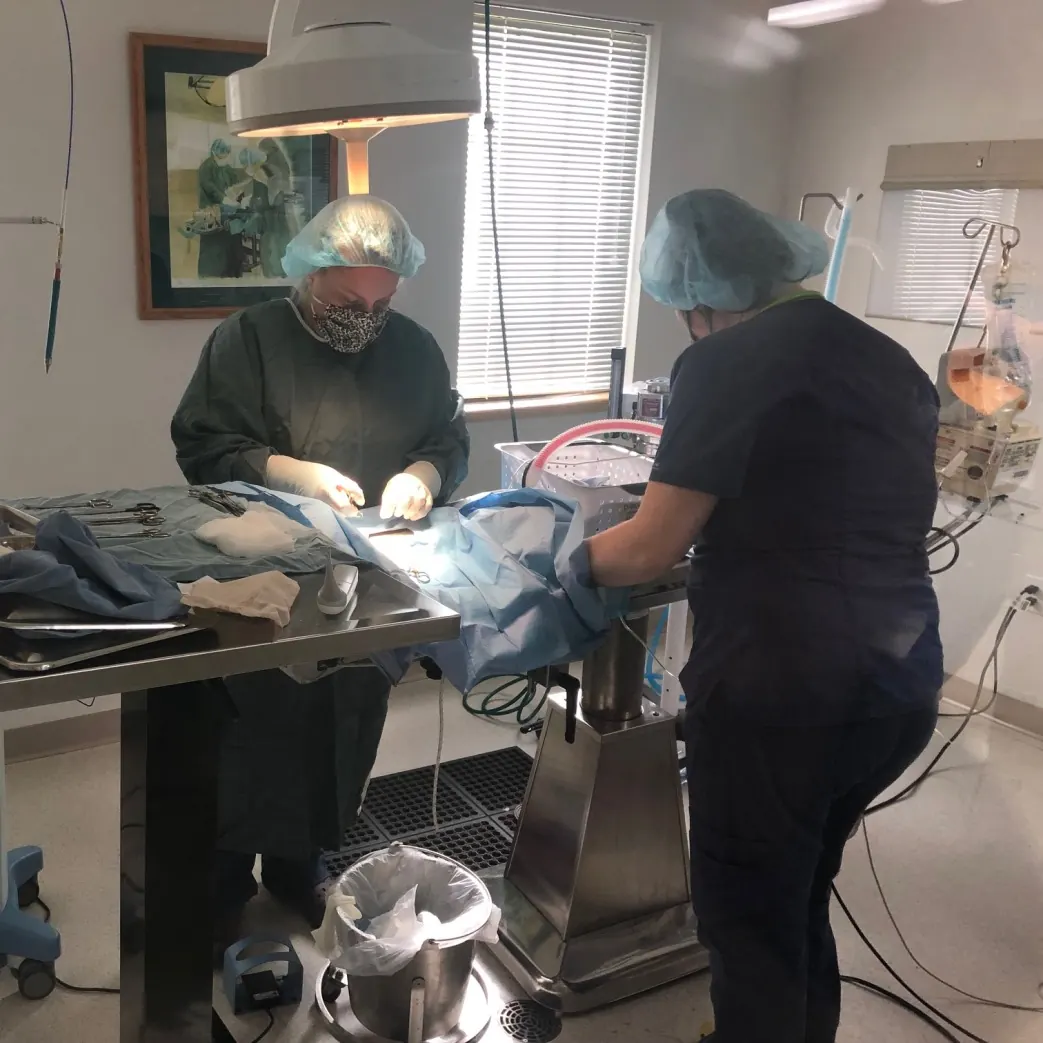
General anesthesia
Surgical procedures are performed under “general anesthesia”. Your pet sleeps painlessly through the entire surgical procedure. We use the safest pre-anesthetic medications and isoflurane gas anesthesia.
Our surgeon
Dr. Aili Heintz
Our surgeon, Dr. Heintz, has many years of experience and continual education and training on the newest surgical techniques and procedures. Her skills and expertise cover a wide range of procedures, from extensive 15-pound tumor excisions to delicate eye problems and many more.
15 lb.
Tumor excisions at the extensive end of Dr. Heintz’s range
Surgical laser
What does a surgical laser do?
The laser does several things to provide better surgical technique and outcome for your pet’s surgery.
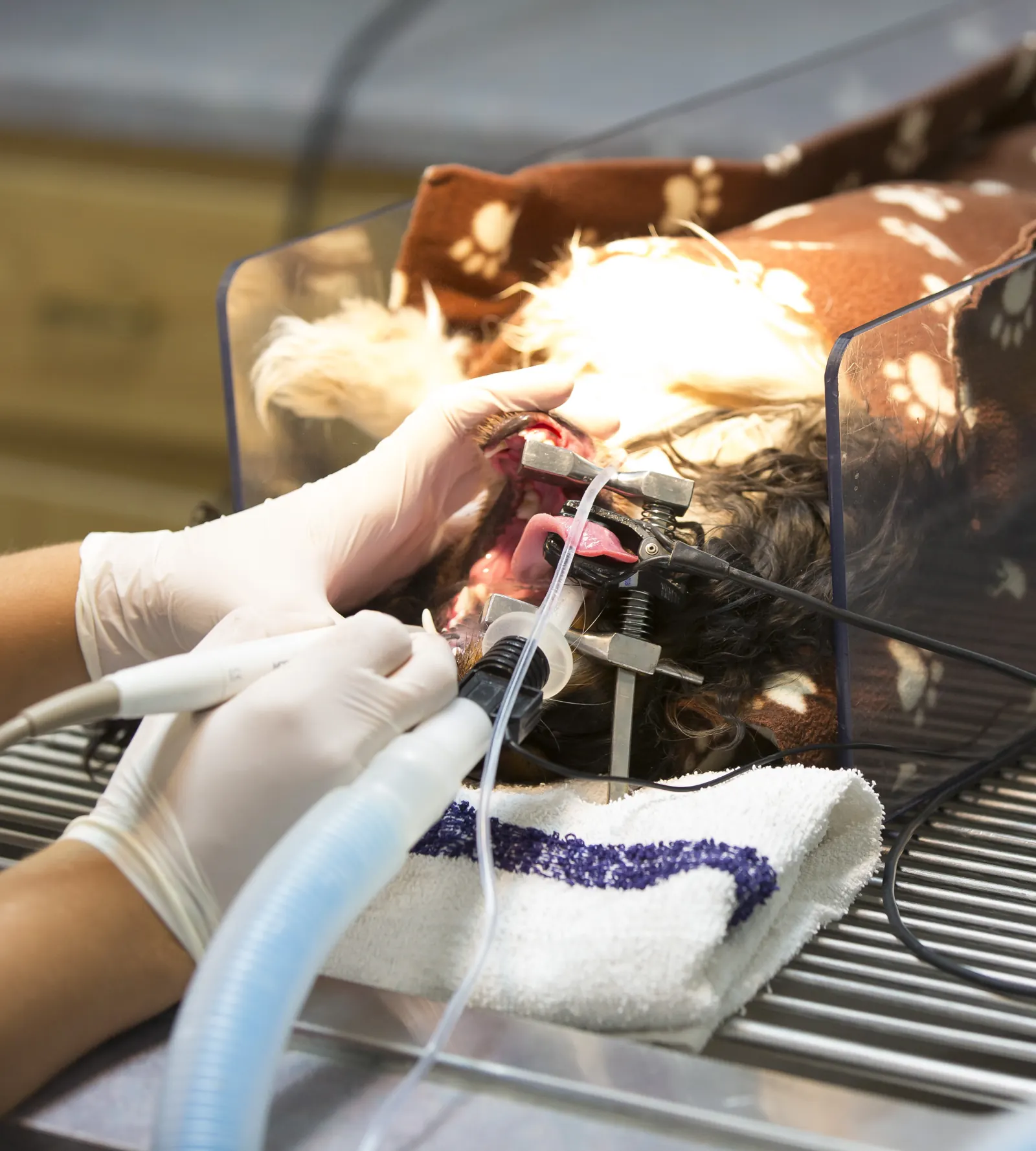
2 Less bleeding The laser seals small blood vessels during surgery. This makes procedures faster and helps visualize the surgical area better, therefore reducing complications.
3 Less swelling Laser energy does not crush, tear, or bruise tissue because the only thing that touches your pet is an invisible beam of light. It also seals lymphatic vessels which decreases swelling after surgery.
4 Less trauma Lasers cut with a beam of light without touching the tissues. This eliminates much of the trauma associated with standard techniques.
5 More precise Lasers allow the surgeon to be able to perform surgery with more precision.
6 Faster recovery Lasers will speed up the recovery time of almost any surgical procedure. Pets generally recover faster with fewer side effects. Less pain, less bleeding, & less swelling help speed recovery and shorten a hospital stay.
7 Less infection There is a reduced risk of infection because the laser seals the skin and reduces the amount of bacteria present. It also removes unhealthy tissue while minimizing adverse effects to healthy surrounding tissue.
Surgical laser
What does this mean for my pet?
It means that you can be guilt free about your pet having surgery. You want your pet to be comfortable and heal quickly – that’s what laser surgery provides.
It is the kind of care that you would want for yourself… and the care that your best friend deserves!
Examples of surgeries include
- Spay (OHE)
- Neuter
- Tumor removals
- Oral & dental lesions
- Abdominal surgery
- Cystotomy
Elective surgeries
Spay, neuter and hernia repair
6–12 months
When a spay or neuter surgery is typically performed
Both can also be performed on older animals.
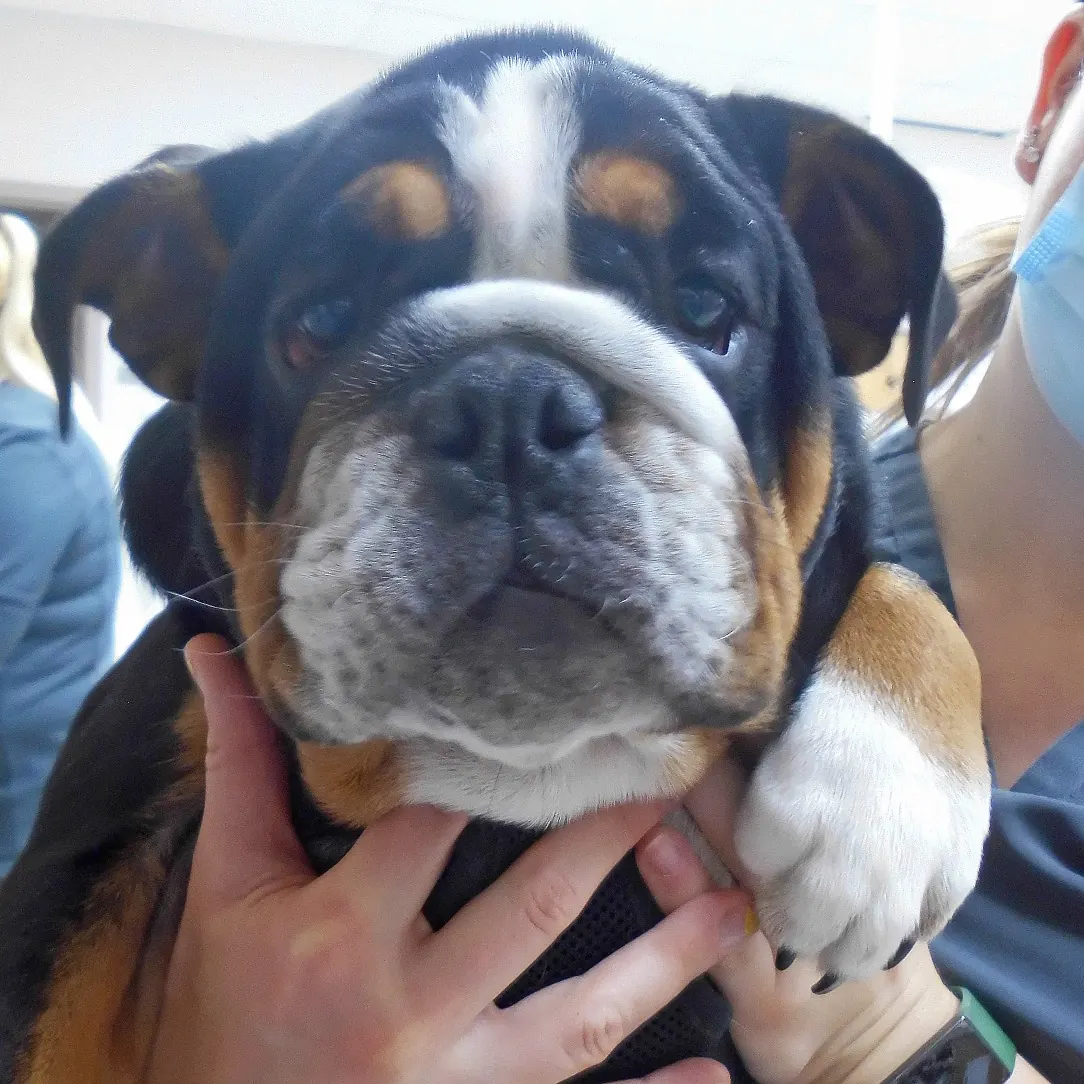
Ovariohysterectomy (spay) An ovariohysterectomy is commonly referred to as a spay surgery. During a spay surgery the ovaries and uterine body are surgically removed. Spay surgeries are performed to prevent unwanted litters/mating, to reduce the risk of certain hormone associated cancers such as ovarian/uterine/mammary cancer, and to prevent a potentially life threatening infection of the uterus called a pyometra.
Neuter A neuter is a surgery in which the testicles are removed. Neuter surgery is performed to prevent unwanted breeding, to reduce the risk of certain hormone associated cancers such as testicular cancer, to reduce the risk of prostatic disease, and to decrease hormone associated marking or aggression behaviors.
Hernia repair A hernia is a defect in the body wall that allows contents from the inside of the body to bulge out under the skin. The most common type of hernia is an umbilical hernia (near the belly button area). Other types of hernias include inguinal (groin region) and perineal (next to the anus). If surgery is not done to correct a large hernia, it could cause internal organs to potentially become twisted and cause pain and issues with normal digestion, urination, or defecation.
Soft tissue surgeries
Bladder stones (cystotomy)
Bladder stones are a rock-like collection of minerals that can form in the urinary bladder. Bladder stones may be present as a single stone or multiple stones of various sizes. Bladder stones can develop secondary to pH of the urine, urinary tract infections, an imbalance in diet or genetic makeup.
Symptoms of a bladder stone
- Bloody urine
- Straining to urinate
- A change in urine stream or inability to urinate
- An increase in the frequency of urination
There are some pets with bladder stones that may not show any signs and the stones may be found during a wellness exam or incidentally during other diagnostic testing. Small stones and certain types of bladder stones may be dissolved by changing the diet while others may need to be surgically removed. Surgically removing bladder stones is accomplished by a surgery called a cystotomy. The bladder stones are submitted for analysis so that the type of stone can be identified and appropriate treatment can be started to help prevent bladder stones from reforming.
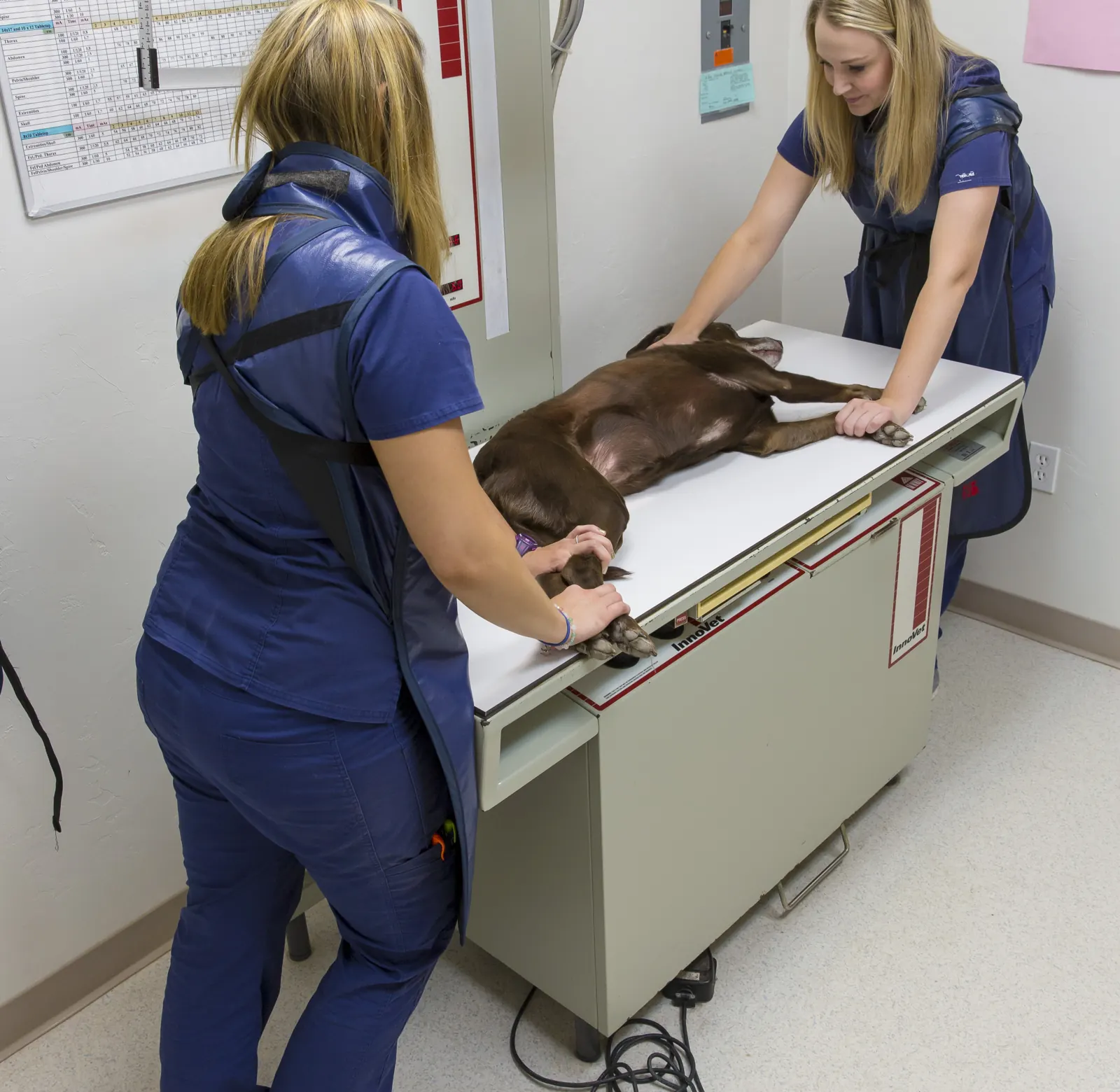
Tumor removal A tumor is an abnormal growth of tissue which can be either benign (a localized growth that does not spread to other parts of the body) or malignant (a cancerous growth with the potential to spread to other areas of the body). Tumors can be found either externally on/under the skin or internally in the chest or abdomen. Due to the potential of any abnormal growth to be cancerous it is often recommended to surgically remove the growth if it is growing rapidly in size, changing shape or color, in an area of high motion that could affect the pet’s ability to move comfortably, or causing pain or irritation to the pet. Following surgical removal, the tumor is evaluated by a pathologist at the lab to determine if it is benign or malignant so that the proper after-care can be determined.
Anal gland removal (anal sacculectomy) Anal gland removal surgery is commonly referred to as an anal sacculectomy. Anal glands are normal structures just inside the rectum. These glands produce a secretion that helps with scent marking and can have a very strong odor. Reasons for surgically removing these glands include chronic infections of the anal glands, anal gland masses, and extreme irritation for the pet.
Abdominal exploratory An abdominal exploratory surgery refers to a surgery into the abdomen to look for diagnostic purposes. During an exploratory surgery, there may be biopsies, or samples of organs, taken for further testing to help diagnose a specific problem. Other conditions that may be corrected during an exploratory surgery include foreign bodies in the intestines/stomach or tumors such as splenic or liver masses. If foreign bodies or masses are found during an exploratory, the condition can be addressed at that time.
Soft tissue surgeries
Bloat or GDV (gastric dilatation and volvulus) surgery
GDV occurs when there is excessive gas in the stomach that is unable to pass due to a twist (or volvulus) of the stomach. Bloat/GDV is often a life-threatening condition seen primarily in large, deep chested dogs.
Signs that may be seen at home
- A distended/enlarged appearance to the belly
- Hunched over posture
- Drooling
- Dry heaving/unsuccessful attempts to vomit
- Rapid breathing
- Discomfort and restlessness
This condition is generally a surgical emergency since stomach dilation can greatly compromise your dog’s circulation to the stomach and potentially other surrounding organs. During the surgery the stomach is permanently attached to the inside muscles of the abdominal wall with a technique called a belt-loop gastropexy. This prevents the stomach from twisting in the future. Surgery can also be done in breeds with a higher predisposition (like deep-chested dogs) to prevent the condition from occurring in the future.
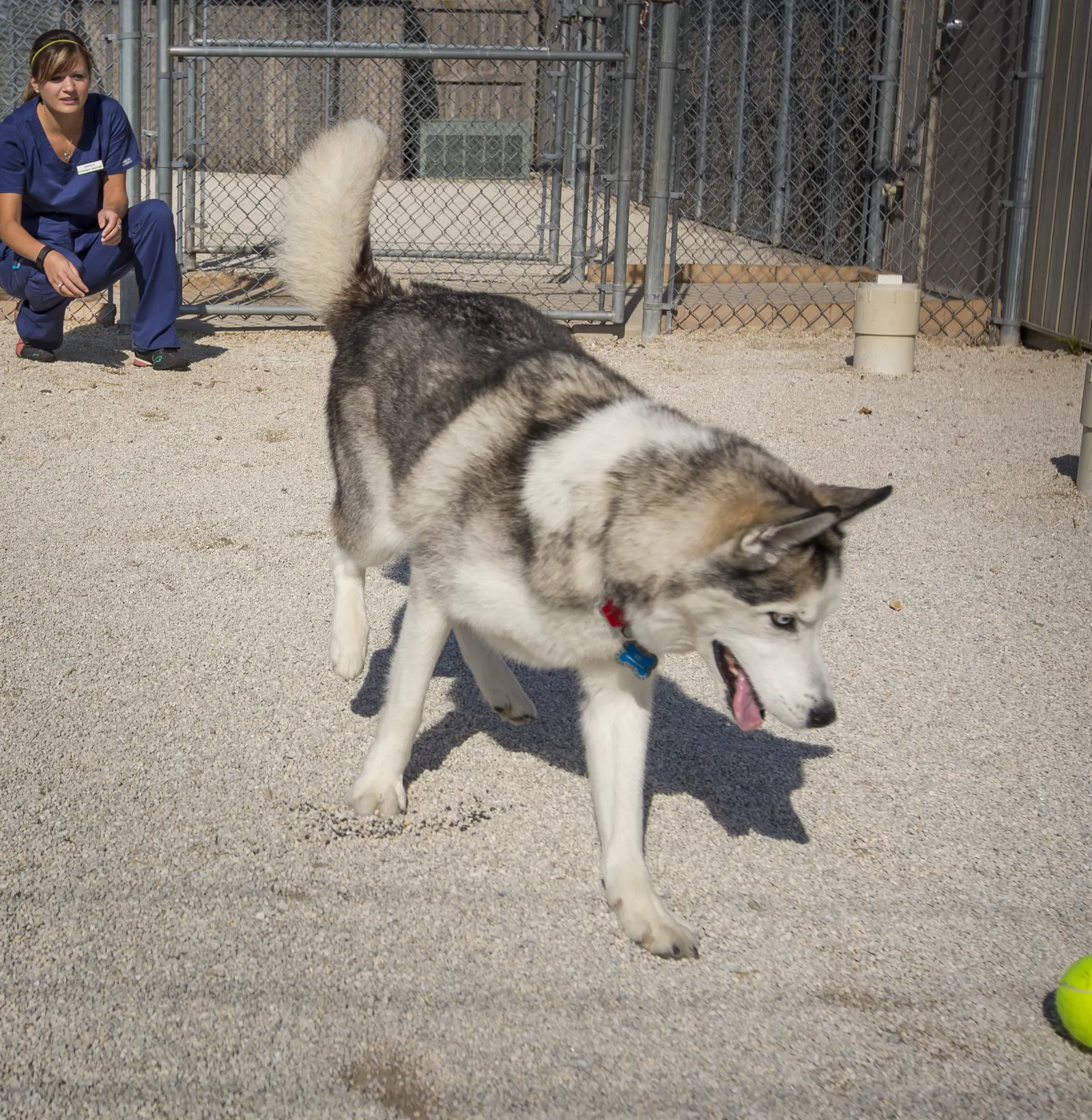
Eye surgeries
Cherry eye correction
Cherry eye is also referred to as prolapsed gland of the third eyelid. The third eyelid is seen at the inside corner of your dog’s or cat’s eye. The gland that is associated with the third eyelid can become inflamed (swollen) or can become traumatized causing it to appear like a pinkish mass by the eye. Cherry eye can not only be cosmetically unappealing for the owner but it can also cause irritation for the pet.
Cherry eye surgery is performed by surgically tucking in the prolapsed gland to prevent continued irritation to the eye. Surgery to remove the gland of the third eyelid is not recommended as the gland helps with normal eye lubrication.
Entropion correction Entropion refers to an inward rolling of the eyelid or portion of the eyelid. This causes hair and eyelashes to rub on the eye causing irritation and can potentially lead to ulcers on the eye (scratches or wounds to the corneal surface of the eye). Surgical correction involves removing excessive skin near the affected eyelid to allow the eyelid to be reshaped.
Ectropion correction Ectropion refers to an outward rolling of the eyelid and appears like a drooping eyelid. This eyelid abnormality affects the ability for the eyelid to close over the eye properly and the affected eye may be more prone to dryness, irritations, and foreign bodies. Surgical correction involves removing a portion of the excessive eyelid to tighten the lid margins.
Keratectomy Keratectomy surgery is used in the treatment of slow healing or severe ulcers of the eye. During the procedure the outside portion of the damaged corneal tissue is gently removed and a grid pattern is made over the ulcer to encourage a more rapid healing process for the eye.
Enucleation Enucleation is the surgical removal of the eye. This surgery is performed for patients who have a painful or non-functioning eye due to advanced or uncontrolled glaucoma (increased pressure within the eye itself), severe trauma to the eye, or tumors of the eye. After the eye is removed, the eyelids are permanently closed allowing a cosmetic appearance.
From our blog
Reading before your dog’s procedure
 Anesthesia for your pet - 5 facts to put your mind at ease Anesthesia….not only is it hard to spell, but for many people the thought of it induces mild anxiety. The idea of giving a pet anesthesia for surgery… Read more
  Bloat and Gastric Dilatation and Volvulus (GDV) - knowing the symptoms can save your dog's life! Imagine this: You just get home from work and notice that your normally bouncy and happy Great Dane is slow to come greet you. You offer him a treat… Read more
  Should you spay or neuter your pet? 6 Reasons why the answer is YES! When I was growing up, I remember watching The Price is Right game show. At the end of every show, Bob Barker (and now for you younger generations… Read more
 In their words
The hearts we’ve touched
“I arrived with a bag of pills and not much hope for Fina’s quality of life. Dr. Strickfaden listened, and within weeks my German Shepherd was on the road to recovery.”
“Years ago when all other vets gave up on my older dog Katy, Dr. Strickfaden got her back to agility competition form with acupuncture. I’m a big fan!”
“Countrycare Animal Complex is what I wish for all pets. Your compassion and genuine caring makes all the difference. Duke is a happy dog because of you.”
“Everyone there was great — from making the appointment to the vet tech to our vet. Everyone was super friendly and nice. They took their time. We didn’t feel rushed. We were very happy and grateful to the staff.”
“Dr. Heintz was so gentle and compassionate with our dog. The vet tech was so kind and understanding with all of the questions that I asked her. They made me feel comfortable with the decisions that we made for Maddie.”
See all testimonials →
1 of 5