
Is my pet overweight?
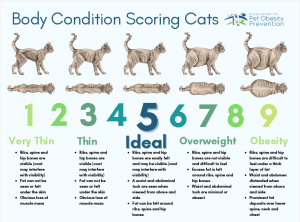
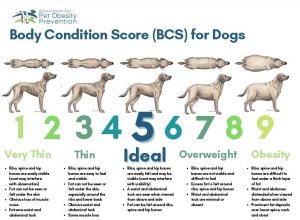
Managing your pet’s weight is one of the most important things you can do for their long-term health. Just like in humans, a pet with ideal body condition reduces the risk of diabetes, joint pain/arthritis, heart disease, and more. For both dogs and cats, the ribs, spine, and hip bones should be easily felt, with a slight covering of fat. When viewed from above, your pet should have an “hourglass figure.” From the side, you should be able to see an abdominal tuck. (See illustrations provided by The Association for Pet Obesity Prevention.)
Why does my dog lick me?
Dogs may lick for many reasons. They lick to show affection and to bond with their family members. They may want your attention, express excitement, or communicate that they are hungry. Some dogs lick as a way to calm down and self-soothe. If the licking seems excessive or is accompanied by other symptoms, consult your veterinarian to rule out a medical cause. If a medical issue isn’t causing the excessive licking, seek help from a certified behavioral consultant.
Why does my pet have gas?
Healthy pets may pass gas a few times a day without any discomfort or concern. Common causes of gas include eating too fast, a food intolerance or allergy, or an imbalance in your pet’s gut microbiome. If your pet has excessive, foul-smelling gas or has other symptoms such as vomiting or diarrhea, contact your veterinarian to rule out a more serious issue.
Why does my dog/cat eat grass?
Eating grass is generally harmless for cats and dogs, provided it has not been treated with fertilizers or pesticides. Grass contains fiber, which can aid in digestion and help with constipation. It also provides some vitamins and minerals that your pet may be lacking in their diet. Young dogs or cats may chew on grass to explore their environment or relieve boredom. Grass may act as a natural way to induce vomiting in some pets that may have a sour stomach from eating something they shouldn’t have. If your pet is eating an excessive amount or is experiencing other symptoms, call your veterinarian for recommendations.
Why does my cat like getting on my kitchen counters?
Cats are natural climbers and seek out high places to better observe their environment. Kitchens are often an active space in the home and can be interesting to explore. They also have appealing elements, like running water or leftover food. When cats jump on the counter, they learn that it’s an effective way to get your attention.
To help reduce the behavior, offer your cat alternative high places such as a cat tree or shelves. Remove food scraps and keep counters clean. Increase their play time and consider puzzle toys that keep them engaged. If your cat prefers running water, consider adding a water fountain to your home.
What’s the best way to remove skunk odor?
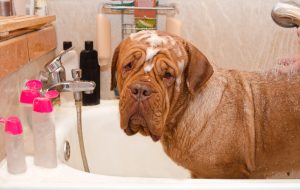
The sooner you treat your pet, the easier it will be to remove the odor. Mix a homemade solution:
- 4 cups hydrogen peroxide
- ¼ cup of baking soda
- 1 teaspoon of liquid dish soap
Apply the mixture immediately, avoiding the dog’s eyes, and let it sit for a few minutes. Rinse thoroughly. You may need to do this more than once. Then, repeat the process with regular dog shampoo. This neutralizes the skunk’s sulfur compounds, which cause the strong odor.
Be sure to discard any remaining peroxide solution as it can explode if stored in a closed container. If your clothing smells of skunk, you can wash it in your washing machine with a ½ cup of baking soda.