
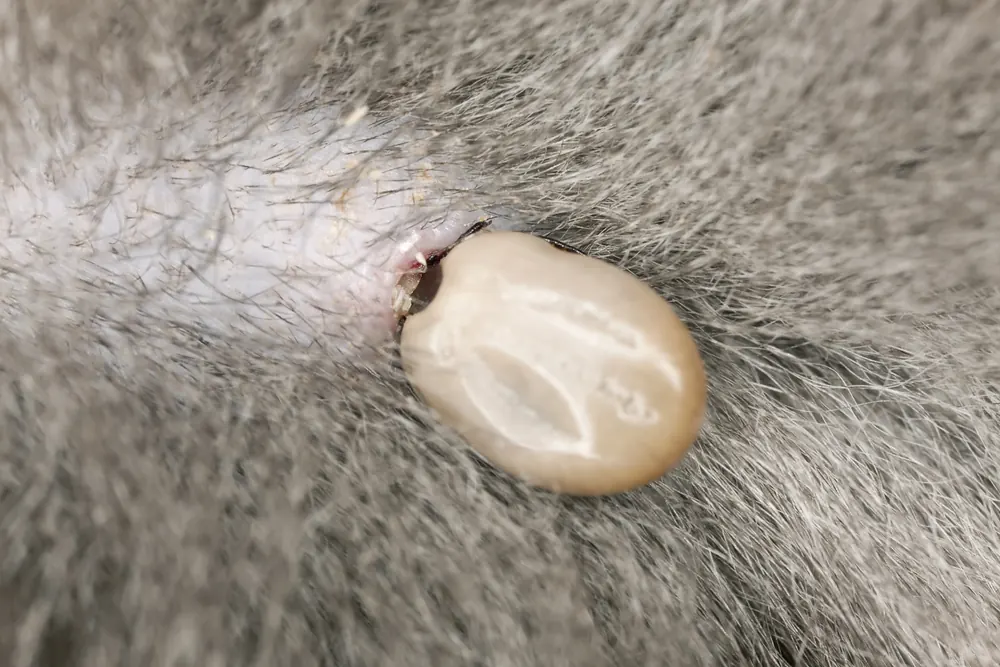
You are probably familiar with Lyme disease. Lyme is a common tick-borne disease in Wisconsin. (In a previous blog post, I explained Lyme disease in detail.) But did you know that the same type of tick that can carry Lyme disease can also carry Anaplasmosis?
In 2025, the Companion Animal Parasite Council reports that 1 in 15 dogs in Wisconsin have tested positive for Anaplasmosis. This disease is becoming more prevalent in our area, and I will explain what it is, how to prevent it, and how to protect your pet.
How is Anaplasmosis spread?
A tick infected with the Anaplasma bacteria can spread Anaplasmosis when it bites your dog. The two ticks that can carry Anaplasma are the deer tick (common in Wisconsin and much of the U.S.) and the western black-legged tick (common along the Pacific coast).
If an infected tick bites your pet, the bacteria may transfer into your pet’s bloodstream and target certain blood cells. Please keep in mind that not all ticks carry this disease, but prevention of tick bites is crucial to keeping your dog protected.
How will I know if my pet is affected?
The hard part with tick-borne diseases is that the symptoms that you may see at home are very common to other illnesses. Anaplasmosis can be difficult to diagnose. Additionally, some pets with this disease may be asymptomatic, meaning they show no signs of problems.

- Decreased activity
- Fever
- Decreased appetite
- Vomiting and/or diarrhea
- Bruising or nose bleeds
- Painful joints, limping
- Seizures (less common)
What will my vet do?
Tick-borne diseases take 4-6 weeks after a bite to show up on a test. If you see a tick attached to your pet, carefully remove it right away. Call your veterinarian and schedule a Heartworm/Tick Screen 4-6 weeks in the future. Monitor your pet for any changes in behavior.
Your veterinary technician will draw blood to test for heartworm disease and the three most common tickborne diseases in dogs: Lyme, Anaplasma, and Ehrlichia. This test can identify whether your dog has been exposed to the disease, but it cannot determine if your pet has active disease.
If the test indicates your pet has been exposed, your veterinarian will run further tests. A complete blood count (CBC) will measure platelet levels (which can decrease with Anaplasmosis), and a polymerase chain reaction (PCR) test screens for active infection. Based on the results of these tests, the doctor will develop a treatment plan.
What are the treatment options?
Once your veterinarian diagnoses Anaplasmosis, she’ll most likely start your pet on an antibiotic for a few weeks. Your dog will begin to feel better within a few days. Depending on the severity of your pet’s condition, the doctor may also recommend additional medications or supplements for your pet’s comfort.
How can I protect my dog?

As with most diseases, prevention is the key!
- Use trusted tick prevention year-round. Even if you find a tick on your dog, this product kills it and reduces the chances of disease transmission.
- Avoid tick habitats such as tall grasses and dense woods.
- Check your pet after outdoor playtime (especially along the ears, under the collar, underarms, belly, and tail base.) If you find a tick, remove it right away.
Can I catch Anaplasmosis from my pet?
No. There haven’t been any documented cases of tick-borne diseases transferred directly from a pet to a person. However, if your pet is in areas where ticks live, that means you are too! Take precautions for yourself by using bug and tick repellent, avoiding tall grasses, and wearing protective clothing. If a tick bites you, contact your doctor right away.
Ticks are creepy and small, but they can carry diseases that can be serious for both you and your pet! Avoiding tick exposure and using preventatives are important tools for keeping your pet protected from tick-borne diseases like Anaplasmosis. To determine which flea/tick preventative is right for your pet, contact your veterinarian to discuss the safest, most effective option.