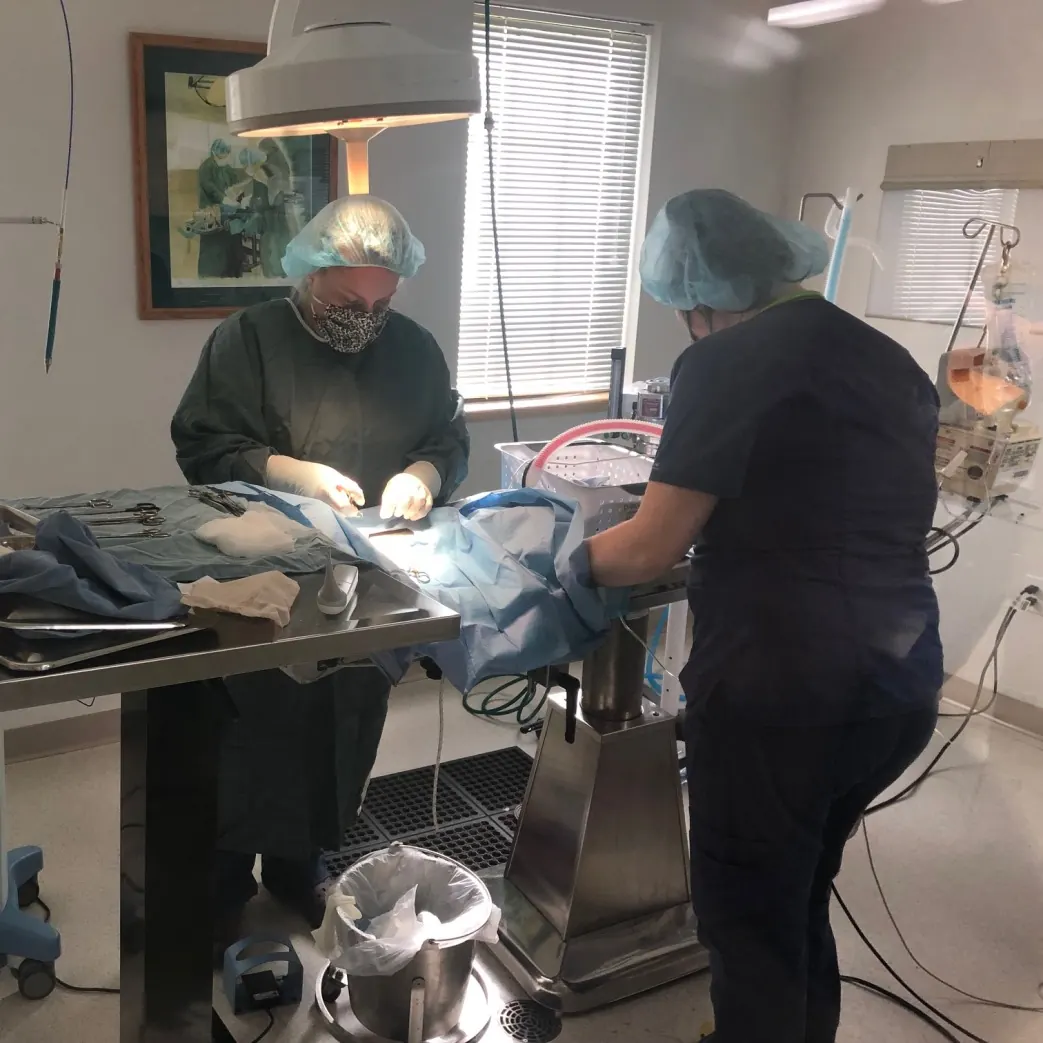
Surgery, whether for yourself or your pet, can be scary.
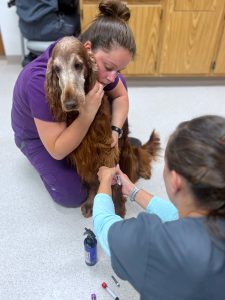
While we can’t control everything, we can help ensure your pet has the safest surgical experience possible. One thing we can do is test bloodwork before surgery. Pre-surgical bloodwork may not be required at all clinics, but it provides valuable information about your pet’s well-being for your veterinarian. The vet can then choose the safest anesthesia medications for your pet to ensure a successful surgery.
What does standard pre-surgical bloodwork include?
While the exact tests may differ at each vet clinic, they all provide similar information. Most pre-surgical bloodwork will include a minimum of liver function values, kidney function values, and red blood cell count.
Many of the medications that are used for anesthesia are processed and filtered through the liver and kidneys. These pre-surgical tests show us whether or not your pet’s liver and kidneys are functioning properly. They also help us assess whether or not your pet’s body will respond to anesthesia the way we expect it to.
The bloodwork also measures red blood cells prior to surgery. We use this data to screen for diseases that could negatively affect the surgery or cause unknown bleeding issues. All of this information helps us reduce potential risks before we start surgery.
What do additional screens include?
Your vet may also recommend a white blood cell count to ensure there is no active infection in your pet’s body that could complicate healing. She may also want a platelet count to ensure your pet can clot his own blood. (Clotting occurs when the body uses platelets to form a “seal” over the bleeding to make it stop). Testing your pet’s electrolytes like sodium and potassium informs the doctor about the healing process and fluid needs during surgery.
The doctor may recommend other, more breed-specific tests for your pet before surgery. One example is Von Willebrand’s testing in Dobermans. Dobermans are more predisposed to having Von Willebrand’s disease which causes problems with blood clotting and increases the risk for continued bleeding during surgery. The more information your veterinary team has, the better they can create the safest possible anesthesia plan for your pet.
Your pet is young and “healthy,” why would he need pre-surgical bloodwork?
Unfortunately, many liver and kidney problems don’t show outward signs or symptoms until the disease is severe. We may not physically see any early changes to your pet’s health. If we use anesthesia on a pet with liver or kidney problems, this may put your pet at an increased risk of complications and make recovery more difficult.
If there’s a problem with the bloodwork, can your pet still have surgery?
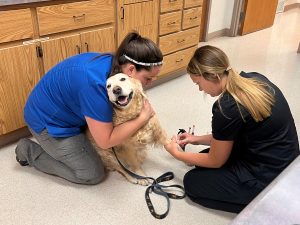
The answer to this question depends on several factors.
- What is the abnormality?
- How severe are the changes?
- How long and complex will the surgery be?
For example, a very mild change in liver values in an otherwise healthy pet may not cause a neuter surgery to be rescheduled. If the changes are more significant, your vet may want to postpone the surgery to do further testing. Or, the doctor may recommend medications before surgery to help make your pet a safer anesthetic candidate. Remember, if your vet needs to postpone the surgery, it is only to ensure your pet has the safest anesthesia possible.
Pre-surgical bloodwork can put your mind at ease!
Pre-surgical bloodwork helps ensure your pet has the safest anesthesia possible. It helps your vet to have all the information she can to make your pet’s surgery successful. Additionally, this testing can give you peace of mind knowing that your pet will have the best anesthesia for his specific situation.
So, surgery doesn’t have to be so scary after all!