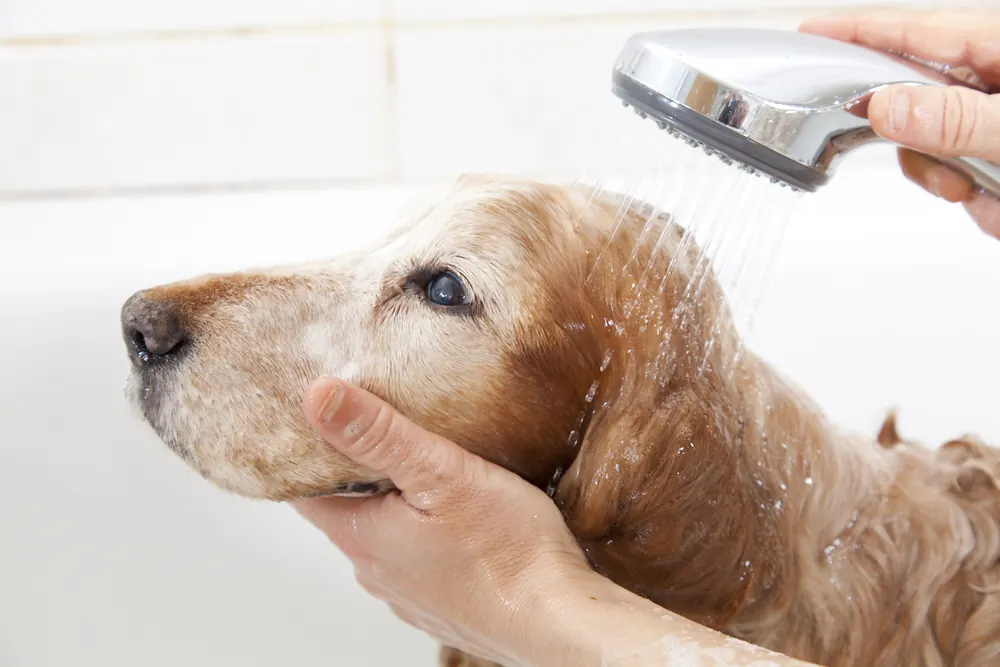
Bathing Choose a mild cleansing shampoo that will not strip the natural oils in their hair coat. Use lukewarm water and rinse well. Avoid getting water or shampoo in your pet’s eyes or ears. Generally it is not necessary to bathe your dog more than every 2 months unless using a medicated shampoo for a specific skin condition.
Resources
Your new puppy or dog
Parenting a new puppy is a rewarding, although sometimes challenging, commitment. Here’s our guide to help you get started.
Congratulations
Congratulations on your new addition to the family!
The companionship of a pet has positive benefits for people. Puppies give unconditional love, affection and devotion.
You can count on three things with your puppy: unbelievable joy, cleaning up accidents, and a major lifestyle adjustment. A new pet needs much more than a food bowl and a doghouse to thrive. And while it may be a lot of work initially, it’s well worth the effort in the long run. Establishing good and healthy habits from the start will lay the foundation for many dog-years of happiness for you and your new puppy.
Puppy basics
Treat your puppy like a newborn
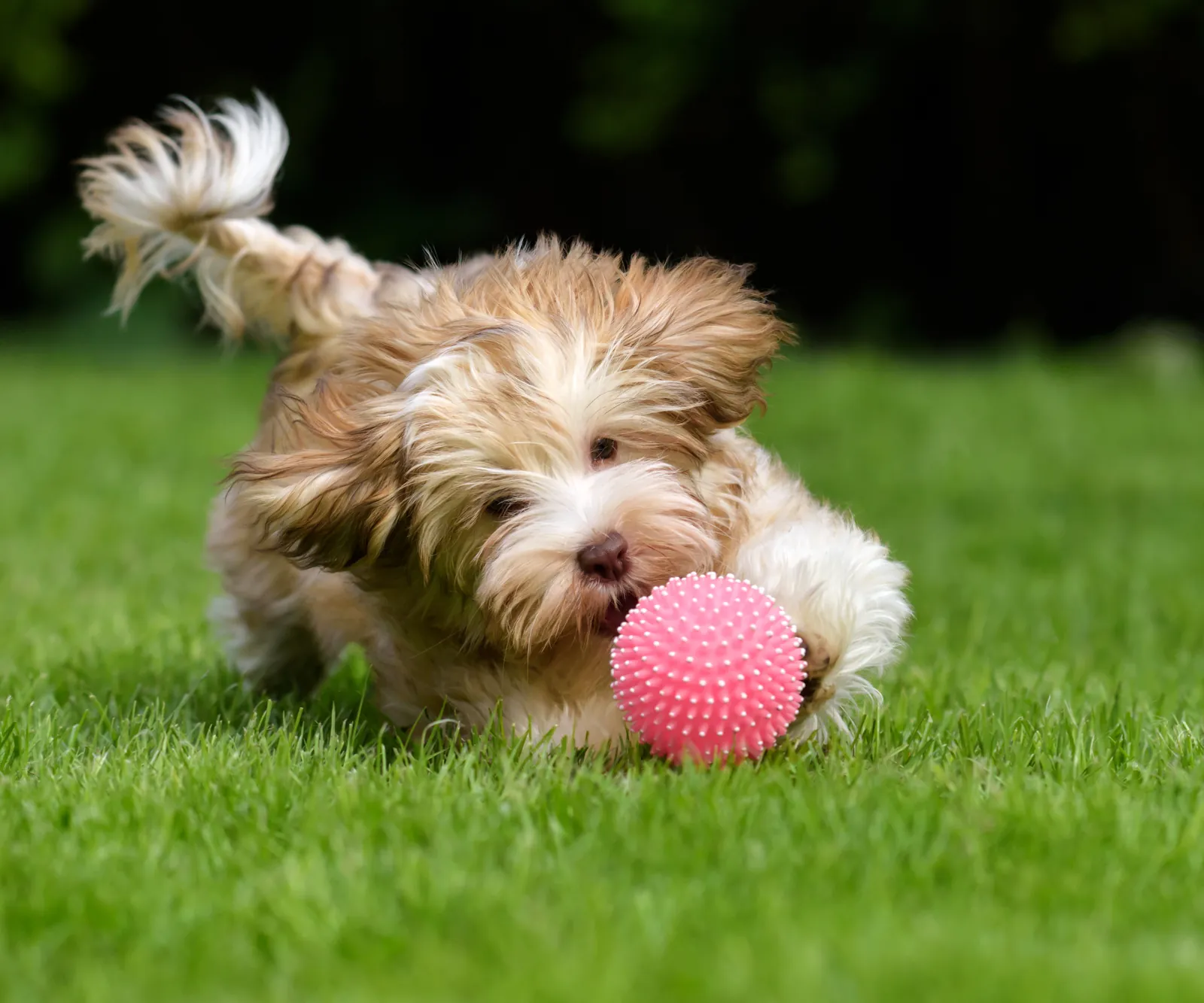
Treat your young puppy just the same as if it was a newborn infant brought home from the hospital. Puppies generally sleep throughout the day, waking only to play for a short period of time, eat and eliminate waste.
Potty training
Your quest to housetrain your puppy will require patience, planning, and plenty of positive reinforcement. It is also not a bad idea to put a carpet-cleaning plan in place, because accidents will happen. Decide the location you want your puppy to go to the bathroom so that previous urine and fecal smells can promote repetition. Give lots of positive reinforcement whenever your puppy manages to potty outside, and refrain from punishing him or her when there are accidents indoors.
Knowing when to take your puppy out is almost as important as the praise. The most common times to take your puppy out to go potty:
- When the puppy wakes up from sleeping or napping
- Immediately after your puppy eats or drinks
- During and after physical activity
- When he or she gives you signals like sniffing or circling
- Or every 2 hours, whichever comes first!
Do not leave a puppy unsupervised in the house until he or she is completely potty trained. Your puppy is an infant; it is your job to teach him or her to want to be house trained. It takes time for them to learn what to do, and for their bodies to mature enough to react properly.
Crate training
A dog crate can provide confinement for your puppy for reasons of security, safety, travel and housetraining. Dogs love crates! It is their “own private house” and security blanket, and serves as a den. A crate should be large enough that the dog can stretch out flat on his side and sit up without hitting his head on the top. Place it where there is activity in the house (kitchen, living room), in a corner for some security and privacy. Do not allow children to play in or around the crate.
Establish a crate routine by closing the puppy in the crate at regular intervals during the day and whenever he must be left alone. You can give him a chew toy for distraction. After the puppy is fully housetrained you can leave the door open so he can come and go as he chooses. Do not weaken and let him out if he whines or cries, or you are teaching him to cry to get what he wants. Be consistent and firm, and be aware that you are doing your pet a favor by preventing him from getting into trouble.
4–5 months
About when a puppy’s body matures enough to be potty trained
9 months
About when a puppy’s adult teeth come in
Chewing
Puppies are CHEWING machines! The inherited tendency to investigate their surroundings is very strong in the young dog. Your success in preventing chewing problems depends on how effectively you can channel your puppy toward acceptable chews, rather than unacceptable items. Follow these tips to help avoid chewing problems:
- Purchase puppy-specific chew toys until his adult teeth come in (around 9 months of age). Avoid small rawhides, cow hooves and antlers: items that can fracture teeth or cause choking.
- Rotate toys each day so he stays interested in them instead of your shoes. Keep extra toys in a container and give him a “new” toy each day, and save yourself from buying many more.
- Use ice cubes as treats to help numb teething gums.
- Do not use objects you don’t want chewed: a puppy cannot tell a toy sock from a new sock. If he learns that chewing a sock is acceptable, then all socks are fair game.
- Never leave the puppy unattended unless restricted to a puppy-proofed area or a crate.
- Puppy proof your house: do not leave things on the floor that he could choke on or swallow.
- Provide lots of exercise: unused energy contributes to the desire to search and destroy!
Puppy proofing
Common toxins to avoid
Many substances can be harmful to your puppy. Below is a list of some of the common toxins you should avoid.
Foods
- Chocolate
- Coffee & alcohol
- Onions
- Grapes & raisins
- Fatty foods & grease
- Xylitol sweetener
- Gum
- Tea leaves
- Raw yeast dough
- Salt
Outside hazards
- Algae in ponds
- Antifreeze
- Fire pits & grills
- De-icing salts
- Moldy compost
- Gasoline & oil
- Pesticides
- Cocoa bean mulch
- Swimming pools
Household items
- Human medications
- Drain cleaners
- Bleach
- Disinfectants
- Mothballs
- Rat & mouse bait
- Liquid potpourri
- Fly bait
- Tobacco products
Plants
- Azalea
- Daffodils
- Ferns
- Hydrangea
- Iris
- Lilies
- Philodendron
- Poinsettia
- Rhododendron
- Tulips
1-888-426-4435
Animal Poison Control Center (ASPCA)
Contact them for assistance with a poison ingestion.
Home hygiene
Baths, ears, nails and teeth
Basic puppy hygiene at home includes basic care such as baths, ear cleaning, nail trims and teeth brushing. We recommend getting your puppy used to these procedures when they are young so they are easily accepted. Make sure to start slowly and give lots of treats and positive reinforcement to make the experience fun for everyone.
Ears Clean the ears with a pet-specific ear cleaner. Wipe inside the ear with a cotton ball soaked in ear cleaner, and repeat with a fresh cotton ball until it comes away clean. Do not use a Q-tip (unless properly trained): it could damage the ear canal or eardrum. Ears should be cleaned every 2–4 weeks, depending on the dog.
Nails Trim nails frequently (every 3–6 weeks). If toenails grow too long they can cause multiple problems, including nail bed infections, foot deformities, or pain when walking. Be very careful not to cut the nails so short that they bleed: this can be painful, and your pet may then resist future nail trims.
Teeth A pet with clean teeth and fresh breath is happier and more pleasant to be around, and there are medical reasons for daily dental care too. Most dental problems occur under the gum line and can go unnoticed until there is severe decay and gum infection, and oral disease can damage the heart, liver and kidneys. Brushing the teeth or using dental products daily is the key!
5 years
What regular dental care can add to a pet’s life
80%
Of dogs show oral disease by the age of 3 without proper dental care
Veterinary care
Heartworm disease
Heartworm disease is a serious and potentially fatal disease in dogs, and is diagnosed in our area every year. It is spread by mosquitoes without you even knowing it. Heartworm disease is completely preventable by using a monthly parasite/heartworm preventative and screening with an annual blood test to verify your dog is negative for the disease.
For more information, visit heartwormsociety.org.
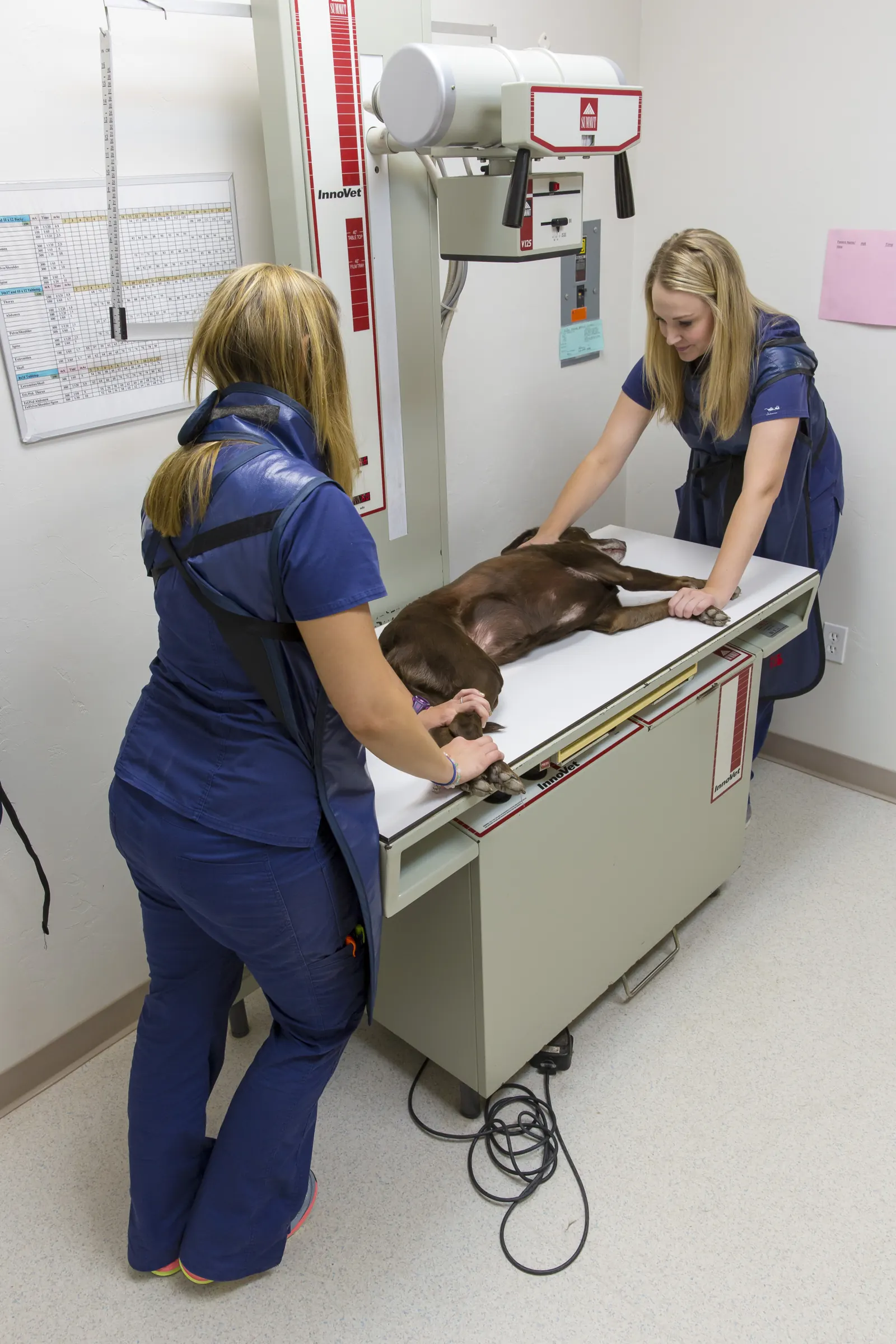
Intestinal parasites Worms are abundant in the environment. Dogs can acquire them from infected soil or feces. Intestinal worms can cause vomiting, bloody diarrhea, anemia and stunted growth, and hookworms and roundworms also pose a threat to human health if your family is exposed. Prevention is much easier and safer than treatment after the problem has developed: monthly parasite prevention pills solve this problem.
Fleas & ticks Fleas can make your dog very uncomfortable and bring an infestation into your home; some transmit tapeworms, and they bite humans too. Ticks can attach under your dog’s hair coat without you realizing it, and transmit Lyme disease, Anaplasmosis and Ehrlichiosis. We provide specialized products to eliminate the threat of fleas and ticks, and a blood test can screen for exposure to these diseases.
Vaccinations
DAP (Distemper-Adenovirus-Parvovirus) All puppies and dogs should be vaccinated with a series of two DAP vaccines that provide three years of protection. After the initial series, a blood titer may be performed to determine immunity.
Rabies Rabies vaccination is required by law for all dogs. Not only is there no cure for rabies, but there is also a human health risk, since humans can contract rabies. The initial rabies vaccination for a dog is valid for one year; booster rabies vaccinations are valid for three years.
Kennel cough This upper respiratory “complex” is generally caused by a combination of viruses and bacteria. We administer an intranasal vaccine that offers fast protection and provides immunity against these diseases systemically and locally (respiratory tract), where the infection occurs.
Lyme disease Lyme disease is transmitted to your dog by infected ticks. Wisconsin is an endemic area, and we recommend vaccination for any dog with the potential to come into contact with ticks (wooded areas, etc.).
Leptospirosis Leptospirosis is an infectious disease that can cause kidney and liver failure. Dogs are infected by coming into contact with the urine of infected wildlife. Leptospirosis is zoonotic: people can also become infected.
Vaccination schedule
Every puppy receives the vaccine named at each age; the “+/-” vaccines are given based on lifestyle.
8 weeks
1st DAP
Based on lifestyle: +/- kennel cough12 weeks
DAP booster
Based on lifestyle: +/- Lyme & Lepto16 weeks
Rabies
Based on lifestyle: +/- Lyme & Lepto booster
Spay / neuter surgery
Spaying, neutering and early signs of illness
Pets that are not used for breeding should be spayed (females) or neutered (males) between 6–9 months of age to prevent unwanted pregnancies and other medical issues. Intact male dogs have an increased risk of testicular cancer and some anal tumors. They also have a higher risk of prostatic hyperplasia, scrotal hernias and excessive preputial discharge. Unspayed females are prone to pyometra uterine infections and increased mammary (breast) cancer.
There is a serious overpopulation problem in the U.S. Over 4 million dogs and cats end up in shelters every year and over 60% are euthanized. One unspayed female dog can produce 15–20 puppies each year, each one needing a home. It is our duty, as responsible pet owners, not to contribute to these staggering statistics.
6–9 months
The age to spay or neuter a pet not used for breeding
15–20
Puppies one unspayed female dog can produce each year
4 million+
Dogs and cats that end up in shelters every year
Over 60% of them are euthanized.
Observations
Be observant and watch your pet for any early signs of illness. If you observe any of the following symptoms in your new pet, it’s time to contact the veterinarian:
- Lack of appetite
- Vomiting
- Lethargy (tiredness)
- Difficulty breathing
- Pale gums
- Nasal discharge
- Poor weight gain
- Swollen or painful abdomen
- Diarrhea
- Wheezing or coughing
- Swollen, red eyes or eye discharge
- Inability to pass urine or stool
Nutrition
You generally get what you pay for
Nutrition is one of the biggest factors that contributes to a pet’s overall health and well-being. Pet food comes in all shapes and sizes, from very low-quality, cheap foods or average commercial pet food to high-end or natural pet foods. Not all pet food is created equal, and you generally get what you pay for: if the food is inexpensive, it is generally because low-cost, low-quality ingredients were used.
We recommend that all dogs be fed natural, high-quality, grain-free dog food (or a raw or dehydrated diet). The higher cost of high-quality pet food is easily outweighed by better health. Dogs are carnivores and did not evolve to eat processed cereal grains (used so manufacturers can reduce costs). The carbohydrates of these foods contribute to obesity, diabetes, kidney stones, behavior problems, allergies, skin problems and many other conditions. Also, corn and wheat ingredients should always be avoided, because they are the most common food allergies in pets.
If you have a large breed puppy (adult weight over 50 lbs), make sure you feed either a “large breed” puppy food or a food for all life stages, so they do not grow too rapidly or develop bone abnormalities. Diet changes should be made gradually over a 1–2 week period to avoid digestive upset.
Keep your puppy on track
More for you and your new dog
In their words
The hearts we’ve touched
“I arrived with a bag of pills and not much hope for Fina’s quality of life. Dr. Strickfaden listened, and within weeks my German Shepherd was on the road to recovery.”

“Years ago when all other vets gave up on my older dog Katy, Dr. Strickfaden got her back to agility competition form with acupuncture. I’m a big fan!”

“Countrycare Animal Complex is what I wish for all pets. Your compassion and genuine caring makes all the difference. Duke is a happy dog because of you.”

“Everyone there was great — from making the appointment to the vet tech to our vet. Everyone was super friendly and nice. They took their time. We didn’t feel rushed. We were very happy and grateful to the staff.”
“Dr. Heintz was so gentle and compassionate with our dog. The vet tech was so kind and understanding with all of the questions that I asked her. They made me feel comfortable with the decisions that we made for Maddie.”
See all testimonials →
1 of 5
Socialization & training
Socialization
Puppies need to learn about our world: car rides, vacuums, and other people and animals. If they do not have a chance to learn about people, animals, and things in their environment, they may grow up to be fearful, anxious or aggressive adult dogs. Therefore, it is important to provide early socialization and positive exposure to as many people, animals, sights, sounds and places as possible.
Socialization is the process of developing relationships with other living things in the environment. The first six months of a puppy’s life are the most critical for social development, and proper socialization during puppyhood helps avoid behavioral problems down the road.
Socialization classes are an excellent way to have positive social experiences with your puppy. We also recommend the book Perfect Puppy in 7 Days: How to Start Your Puppy Off Right by Sophia Yin. You can also visit thefamilydog.com for videos to understand dog body language and common behavior challenges.
Training
By teaching your puppy good manners, you’ll set your puppy up for a life of positive social interaction, and obedience training will help forge a stronger bond between you. Teaching your pup commands such as sit, stay, down, and come will not only impress your friends; these commands help keep your dog safe and under control in potentially hazardous situations. Many puppy owners find that obedience classes are a great way to train both owner and dog. Classes typically begin accepting puppies at 3–4 months of age.
Professional trainers and training facilities are highly recommended for all families. They help make sure all family members are using the same training techniques and not confusing the puppy with different commands and methods, provide a wealth of knowledge to start your puppy out on the right track, and offer socialization opportunities with other puppies.
For more information, go to apdt.com (the Association of Pet Dog Trainers), where you can search for a professional trainer or find solutions to common problems under the pet owner section.