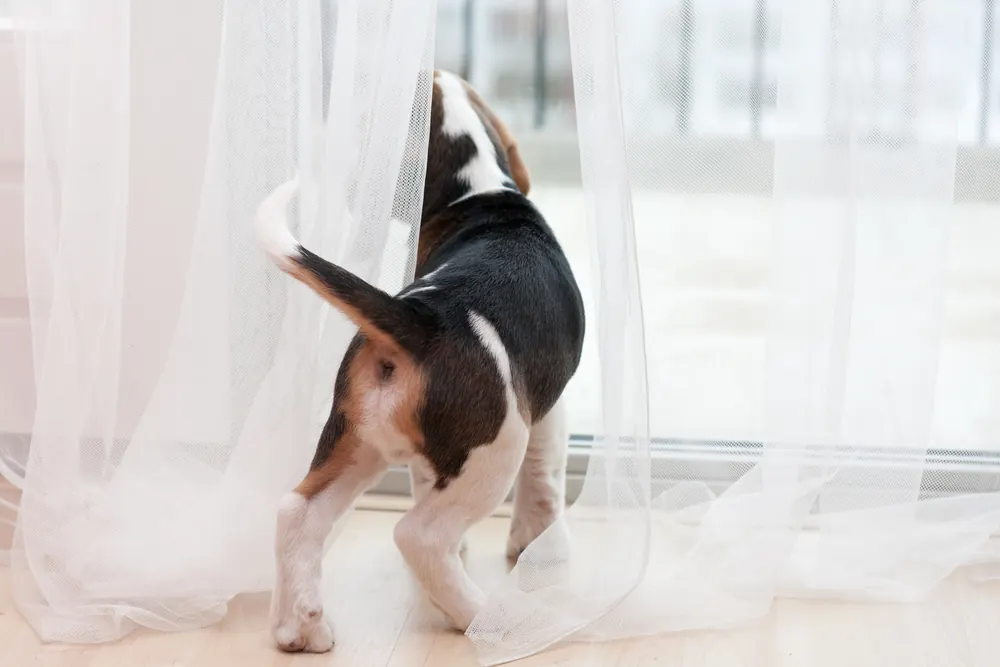
Have you ever caught your dog wiping his rear across the carpet and wondered what on earth he was doing? Or maybe you’ve noticed a sudden, strong odor coming from your cat or dog’s hind end and thought, “Is that normal?”
Surprisingly, both of these issues are related to the same thing: anal glands.
What Are Anal Glands?
Anal glands are two small sacs located just inside the rectum. They produce a strong-smelling fluid that normally empties when your pet has a bowel movement. In the wild, this scent helps animals mark their territory.
Dogs, cats, skunks, opossums, and several other species have anal glands. Humans technically do too, though ours don’t function the same way. For today, we will focus on dogs and cats.
Why Should I Care About Anal Glands?
Anal gland issues such as impaction, infection, and ruptures are common in pets, especially dogs. These problems can be painful, messy, and sometimes serious.
The sooner you spot the signs, the sooner your veterinarian can help your pet feel better.
Common Signs of Anal Gland Problems
Watch for:
- Scooting or rubbing the back end on the floor
- Excessive licking or biting around the hind end
- A strong, fishy, or metallic odor from the rear
- Swelling, redness or tenderness around the anus
- A visible bulge or mass near the anal area
- Straining or difficulty passing stool
Any of these symptoms can signal that the glands aren’t emptying normally.
What Should I Do If I See These Signs?
Schedule an appointment with your veterinarian.
Your vet will perform a rectal exam and gently express the glands if needed. She’ll evaluate the color and consistency of the fluid and check for signs of infection, thickening, or masses.
Pets with frequent infections may benefit from long-term management or, in some cases, surgical removal of the glands. If your vet finds a mass, she will likely recommend that it be surgically removed.
Pets do not need anal glands for normal daily life. However, because the surgical site is delicate, removal carries a risk of fecal incontinence. Your veterinarian will help you weigh the pros and cons so you can make the best decision for your pet.
Why Do Some Pets Have Problems While Others Never Do?
Several factors can increase the risk of anal gland trouble:
- Glands that sit deeper in the body may not empty on their own
- Food allergies or environmental allergies can cause inflammation
- Consistently soft stool doesn’t create enough pressure to express the glands naturally
Some pets may never have an issue. Others may need routine veterinary help throughout their lives.
How Can I Reduce My Pet’s Risk for Anal Gland Issues?

Your veterinarian can help you identify what is most likely causing your pet’s symptoms. Common prevention options include:
- Dietary fiber. Adding canned pumpkin or a veterinarian-recommended fiber supplement can improve stool consistency, which helps the glands empty normally.
- Targeted supplements. Products such as GlandeX may support anal gland health. Always check with your veterinarian before starting anything new, especially if your pet is on medications.
- Routine expressions. Some pets simply need their anal glands checked and emptied regularly.
- Addressing allergies. If allergies are contributing to inflammation, allergy testing and treatment may reduce flare-ups.
Anal glands don’t have to be a pain in the butt.
If your pet is scooting, smelly, or just not acting like himself, contact our office. Together, we’ll determine the right treatment and prevention plan to keep your furry family member comfortable and healthy.