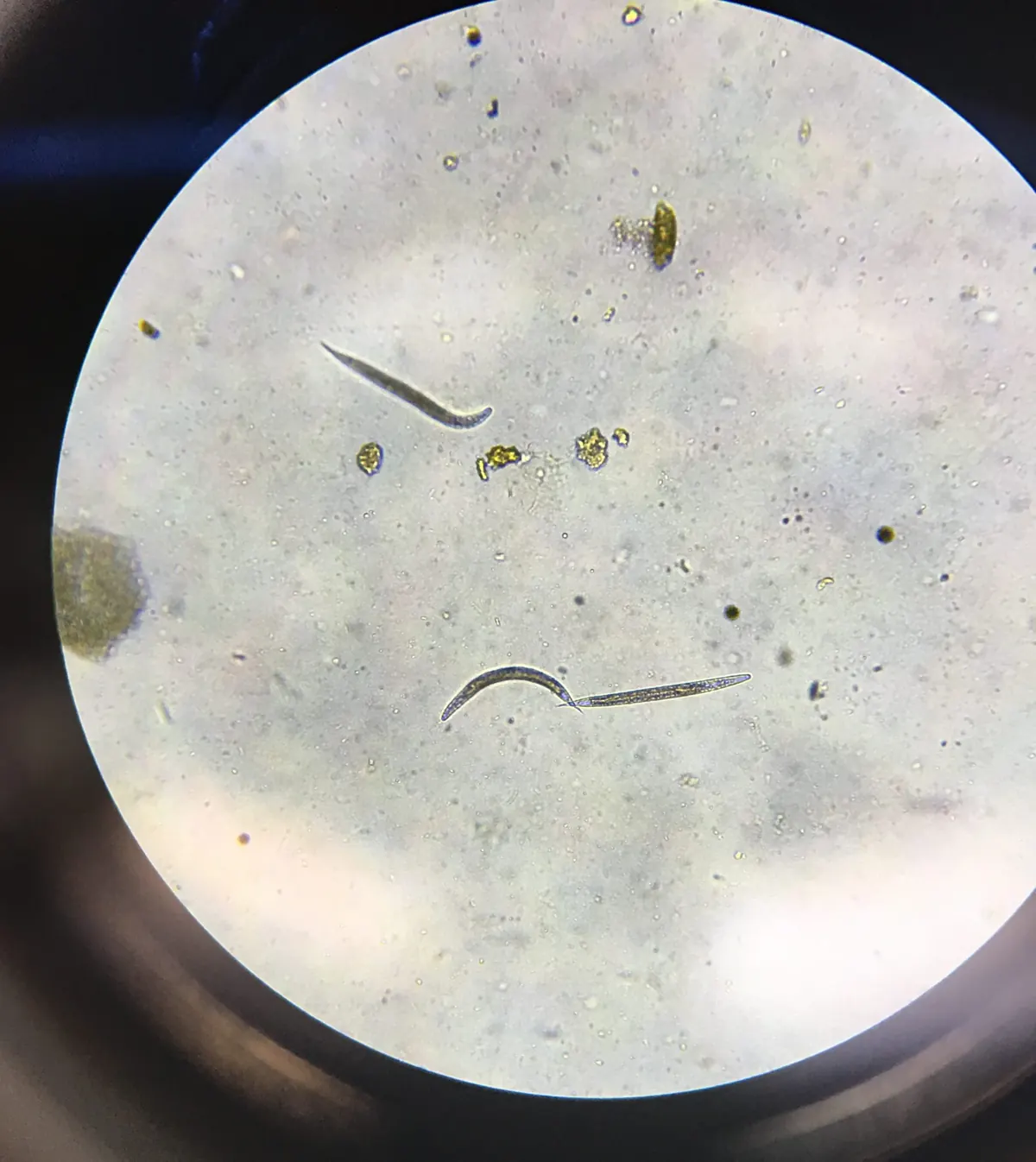
Let’s talk about poop. Animal poop, to be specific. You might be thinking, “Eww. Gross!” Whether you call it a stool sample, a fecal sample, or a poop sample, it’s a vital part of your pet’s veterinary care. But did you also know it can keep your family safe from parasites?
Some intestinal parasites are zoonotic, meaning they can affect people, too. Now that sounds gross for sure! In this blog post, I will discuss the benefits of and reasons for routine fecal testing for your pet.
Parasites Can Hide in Plain Sight
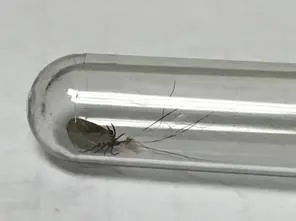
On occasion, you will be able to see the adult worm or worm segments being passed in your dog or cat’s poop. These worms can look like spaghetti or bean sprouts in or on the poop. They can also look like grains of rice. But more commonly, we don’t see the adult worms at all, and the worm eggs being passed in the poop are too small to see with the naked eye.
The average size of a roundworm egg measures around 45-90 micrometers in diameter. The average human hair is 80 micrometers in diameter. You can understand why you need a microscope to see worm eggs.
No Symptoms Doesn’t Mean No Parasites
Many pets are asymptomatic, meaning that they do not show any outward signs when they have intestinal parasites. Often, the only way to diagnose parasites is with a fecal sample. Even though your pet isn’t showing symptoms, that doesn’t mean he isn’t sick.
As the numbers of worms increase inside your dog or cat, you may see the following:
- weight loss or difficulty maintaining weight
- rough fur coat
- worms in the poop or vomit
- pale gums
- weakness (because worms steal your pet’s nutrients and can cause internal blood loss/anemia)
Your Family’s Health May Be At Risk
Many types of worms are zoonotic, which means they are transmissible to humans! Most transmission is by the fecal-oral route. You might be thinking, “But, I don’t eat my pet’s poop!” There are other ways these parasites can be transmitted.
- You pick up poop outside and forget to wash your hands, then make a sandwich for lunch.
- You scoop the litter box and touch your face before you wash your hands.
- You let your pet lick your face, and he may have just licked his behind.

Some worms (like hookworms) can infect you simply because they are in the environment. Worm larvae may be in the soil left by infected poop. If you walk barefoot through that infected area, worm larvae may enter your body through a small cut or crack on your foot. Gross, right?
Remember, some pets show no signs or symptoms. So, you could be exposing yourself to parasites without even knowing it.
Indoor Pets Are Also Susceptible
You might be thinking, “My pet doesn’t go outside, so there’s no way she can get worms.” Unfortunately, this is a big misconception! Even if your pet doesn’t go outside to go potty, she can still be at risk for parasites.
Sometimes we humans accidentally bring parasites inside on our shoes. If we step in contaminated soil and then track that inside, our pets can get exposed. Additionally, some veterinary journal articles have reported that potting soil can sometimes contain roundworm eggs. So, even if your pets don’t go outside, there is still a risk of intestinal parasites.
We Can Provide Peace of Mind
To run a fecal test for your pet, we only need a sample of poop approximately the size of a quarter. Bring the fecal sample in a poop bag, a Ziploc bag, or any clean container you have. You can also ask us for specific fecal collection containers. If you forget to bring in a sample, ask us to try to collect a sample during your vet visit.
Poop isn’t a glamorous subject, but it is extremely important. Remember, bringing in a quarter-sized piece of poop can be one of the easiest things you can do to help keep your pet and your family healthy.