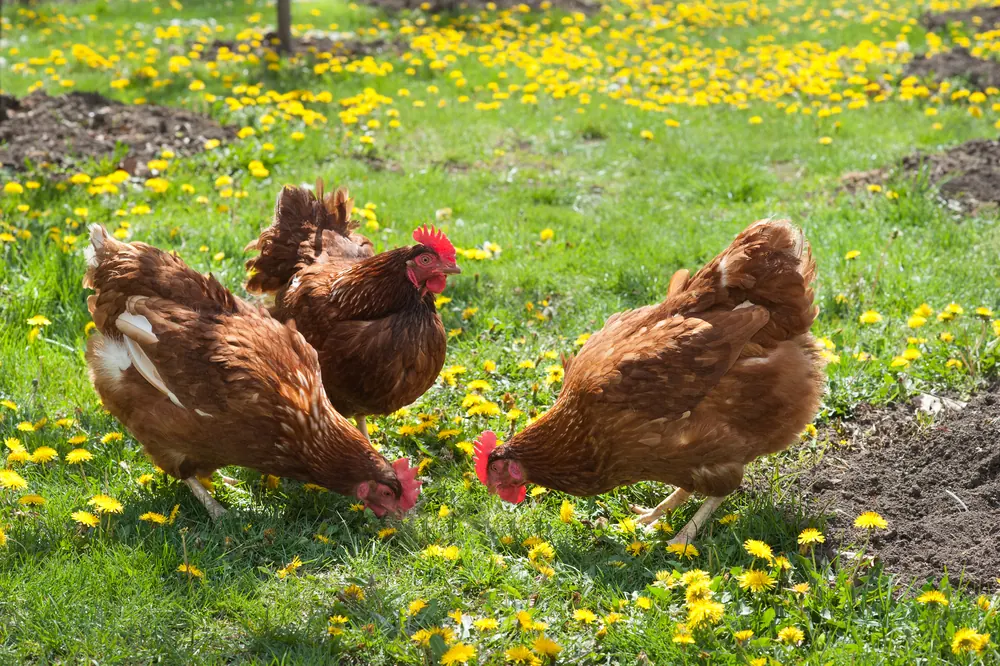
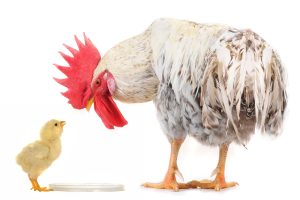
With a quick visit to the grocery store, it’s easy to see that the price of groceries has increased and continues to increase. Looking at egg prices this is painfully obvious! While some of the increase in the price of eggs (as with other groceries) may be due to inflation, there is an even bigger problem facing chickens and egg producers right now. That issue is avian influenza (avian or bird flu).
Avian influenza is a respiratory disease of birds caused by influenza A viruses. Not all birds affected by this virus act the same. Some can become very sick, some can show little to no symptoms, and others may suddenly die. Currently, there have been no confirmed cases of bird flu in pet chickens or other pet birds in Brown County.
However, avian influenza has been detected in a group of migrating Canadian geese that were found dead a few months ago in the Howard area. Because of the nationwide increase in avian flu cases, I will explain the following in this blog post:
- How avian flu is spread
- Signs to watch for in your backyard flock
- How to keep your flock protected
How bad is it?
According to the United States Department of Agriculture (USDA), as of 01/29/25, there are currently 113 flocks confirmed with the current outbreak of the deadly form of avian flu. There are 71 commercial flocks and 42 backyard flocks infected, affecting 18.15 million birds. This number includes ducks, chickens, and turkeys.
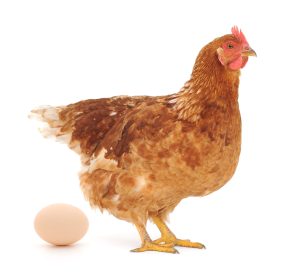
However, since the start of the outbreak in February 2022, 148.25 million birds have been affected with avian flu detected in 1,482 flocks. These numbers help to paint the picture of how significant this virus is and the ramifications it can have for both backyard flocks and commercial egg and meat flocks.
How would my chickens get exposed to bird flu?
The avian flu can be spread by direct bird-to-bird contact, like when you add new birds to your flock. It can also spread indirectly when your birds come in contact with contaminated surfaces or materials. Spread of the virus typically occurs from bird droppings or respiratory secretions.
Migratory birds like ducks and geese can spread the virus by just passing through your yard. If those birds stop and share food with your birds, they can spread it that way too. Additionally, contamination of machinery, egg crates, or even people can also bring the disease into your flock.
Keep new additions to your flock in a separate “quarantine” area for at least two weeks. Many illnesses may arise within a common time frame of two weeks. Do not introduce the new birds to the rest of your flock until you can ensure they are disease-free.
What are some signs of bird flu?
Symptoms of avian flu include:
- Sudden death without any prior symptoms of illness
- Lack of energy and appetite
- A drop in egg production or soft-shelled, misshapen eggs
- Swelling of the eyelids, comb, and wattles
- Purple discoloration of the wattles, comb, and legs
- Paralysis
- Gasping for air or difficulty breathing
- Nasal discharge, coughing, sneezing
- Twisting of the head and neck (torticollis)
- Stumbling or falling down
- Diarrhea
Please keep in mind that many other illnesses in birds can look very similar. Just because you may see some of the above signs does not necessarily mean your bird has avian flu. If you notice any of the listed symptoms, call your vet right away. The doctor will evaluate your birds and may recommend diagnostic testing. With any illness, the sooner the better for detection and treatment. The longer you wait, the higher the risk that your bird may not recover from the illness.
How can I help keep my flock protected?
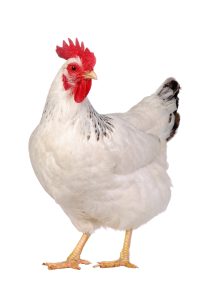
Some ways to help keep your flock safe from avian flu and other diseases include:
- Minimizing exposure to wild birds
- Securing feed bins and water to prevent contamination from other animals
- Limiting visitors to your flock
- Washing hands
- Isolating and quarantining any new additions to your flock
If you think that your birds are sick, separate them from the others and seek veterinary care ASAP
Do I need to worry about getting avian influenza myself?
People can get avian flu. In most people, it will show up as non-specific signs including a fever, lethargy, sore throat, and difficulty breathing. People can often recover with rest and fluids. However, if you are not feeling well and are concerned, call your doctor immediately. Remember these symptoms are very non-specific and can be signs of many other colds and viruses.
Your health and your bird’s health and wellness are extremely important to us at Countrycare Animal Complex. With the increased numbers of avian flu in the US, take precautions and monitor your backyard flock. Call us right away if you have any questions about your flock or are worried that your chickens are not feeling well.