
Is It Time to Say Goodbye? How to Know When Euthanasia is the Kindest Choice – and What to Expect
Animals bring so much joy and comfort to so many people. I think that’s because animals have a way of giving unconditional love. They are there when you have your best days, and they are there in your most difficult times with wagging tails and gentle purrs.
This bond makes us love them back fiercely in return. It is also the reason that it can be so difficult to say goodbye.
We never want to think about losing our animal friends, but it is an unfortunate part of pet ownership. Today, I will describe the process of euthanasia so you can know what to expect when the time comes to say goodbye.
How do I know when it’s time?
Sometimes, this is one of the hardest questions to answer. How do I know when it’s time?
For some pets, the answer is easy to see.
- Late-stage cancer
- Severe, uncontrolled pain
- Difficulty breathing
- Significant weight loss and refusal to eat
In these situations, it’s apparent that the most humane thing to do is to schedule a euthanasia.
Other times, the answer isn’t so black and white.
I tell the families to make a list of all the things your pet loves to do and all the things that you think your pet should be doing normally. If you look at the list and find your pet can do fewer and fewer of those things, then you know that their quality of life is diminishing.
Discuss with your vet what can be done about your pet’s decline in activity. Are there other medications or therapies you can still try? If you’ve exhausted all of your options to help your pet, it may be time to think about euthanasia.
It’s time to say goodbye. Now what?
You have made the decision with your family and your vet, and you feel that a humane euthanasia option is best for your pet. The next step is often one of the hardest. It is time to call the vet clinic and set up the appointment. Most clinics will do their best to try to accommodate this difficult decision as quickly as possible.
Please keep in mind, if it has been a while since your pet’s last visit, the vet may require an exam to ensure that this is the best option for your pet. Some people prefer to have the procedure done at their home. There are multiple mobile veterinarians that only deal with end-of-life services, and you can make an appointment directly with the mobile vet service.
Once I get to the vet clinic, what will happen?
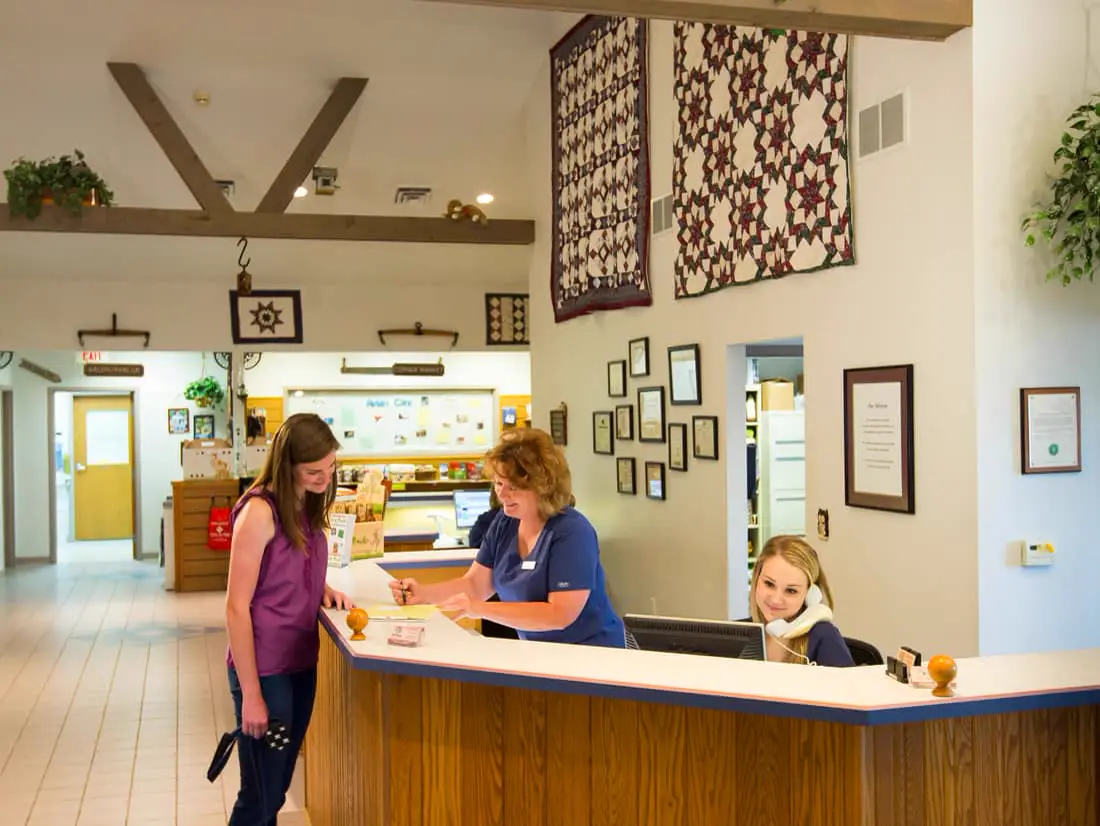
Every clinic may be a little bit different, but I will walk you through what we do. Once you arrive at Countrycare Animal Complex, we will get you to an exam room as quickly as possible. We may have the lights slightly dimmed to be more calming. We may have blankets on the floor or table to make your pet comfortable.
Your technician will come in and handle all the paperwork. She will verify whether or not you want to be present for the procedure, and she will go over your options for cremation. It is up to you if you want to be present or not. There is not a right or a wrong choice for this, it is what you are most comfortable doing.
If you decide that you do not want to be present, we let you spend as much time as you would like with your pet before leaving. The pet stays with the technician and the vet the entire time. Your pet will not ever wait alone in the room.
If you wish to stay for the procedure, the technician will usually take your pet to the treatment area to place a catheter into a vein. Once the catheter is placed, your pet will return to the room. You are able to take time with your pet before saying goodbye.
What should I expect during a euthanasia appointment?
The veterinarian will come in for the procedure and ask if you have any questions. When you are ready, the doctor flushes the catheter with saline to make sure it’s working properly. Then, she will inject the euthanasia solution into the catheter.
You will see your pet relax into a deep sleep. Within a few minutes, the solution will circulate through your pet’s body. The doctor will then listen to your pet’s heart to confirm that he has passed.
Some pets may require additional solution. This does not mean that this isn’t the right choice or that it isn’t working. Often times this indicates other medical issues in your pet’s body are affecting the euthanasia medication. After the additional dose, the doctor will again listen for a heartbeat to confirm his passing.
What will I see after my pet passes?
Some pets may urinate or defecate. Some look as though they are still breathing or moving slightly. Other pets may even make a noise. These are natural responses of the muscles in the body relaxing after your pet is gone. These things do not happen with every pet, but it is important to know. If they do occur, don’t be scared.
Often times people wait for their pets’ eyes to close. For a majority of people and pets, the eyes do not close naturally after passing.
What happens after my pet is euthanized?

After the vet has confirmed that your pet has passed, we will give you the opportunity to say goodbye to your pet in private. When you are ready, we will guide you out via a side door, if possible, so that you don’t have to walk through our lobby after such a difficult experience.
We contract with a local crematory to cremate the remains of our patients that have been euthanized. If you choose “private” cremation, the crematorium will send us your pet’s ashes after cremation. We will contact you when your pet’s remains return to the clinic so that we can get them back to you as soon as possible. If you choose group cremation, you will not receive any ashes back.
Work with your vet and have an open discussion about how your pet is doing at home. What you are seeing at home is critical to help know when your pet may be struggling. Making the decision to say goodbye to a loved pet can be a difficult one, but it is made out of love and selflessness. I often tell the families that it is the last best gift that you can give to your pet when nothing else can bring them comfort.