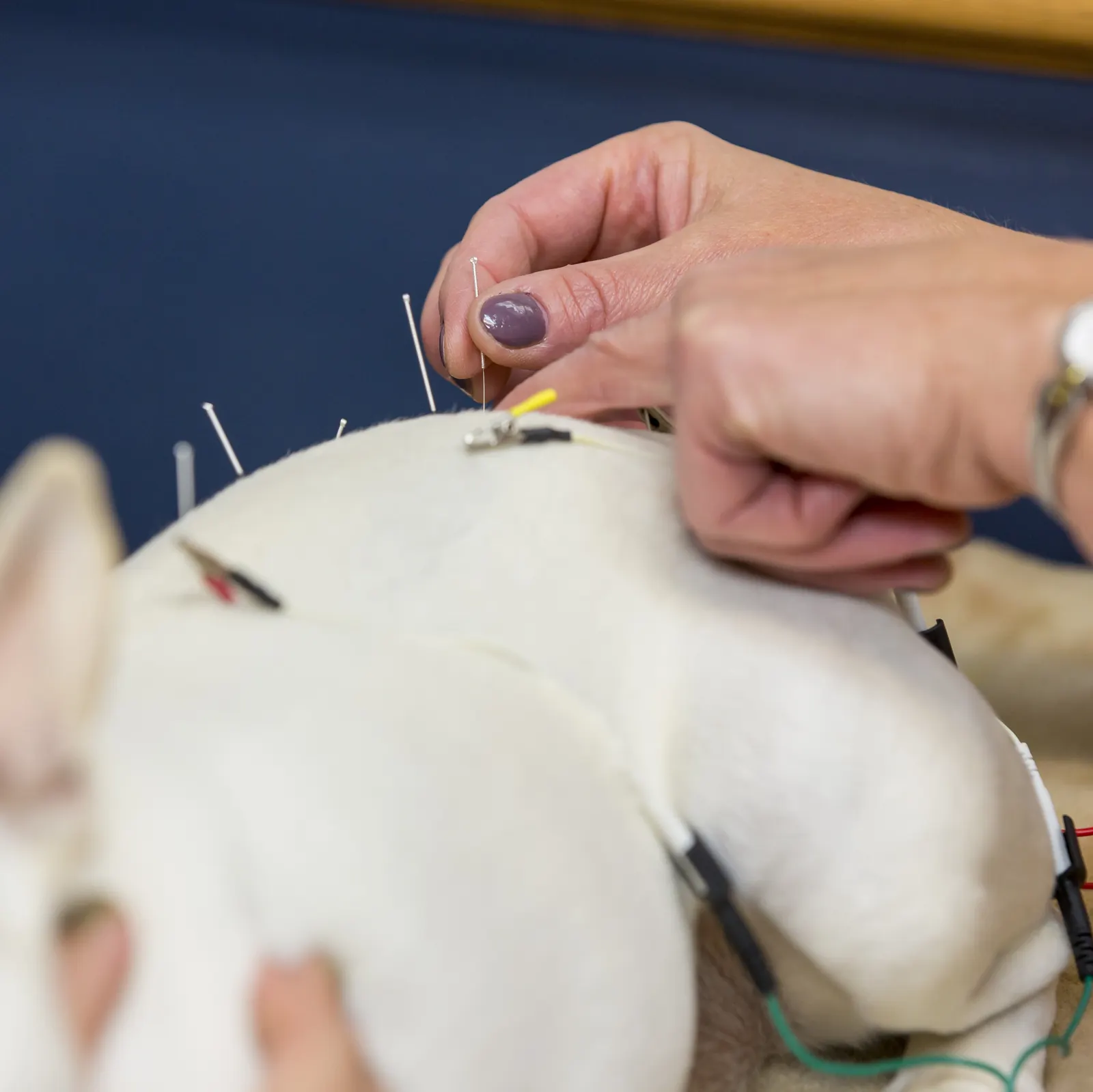
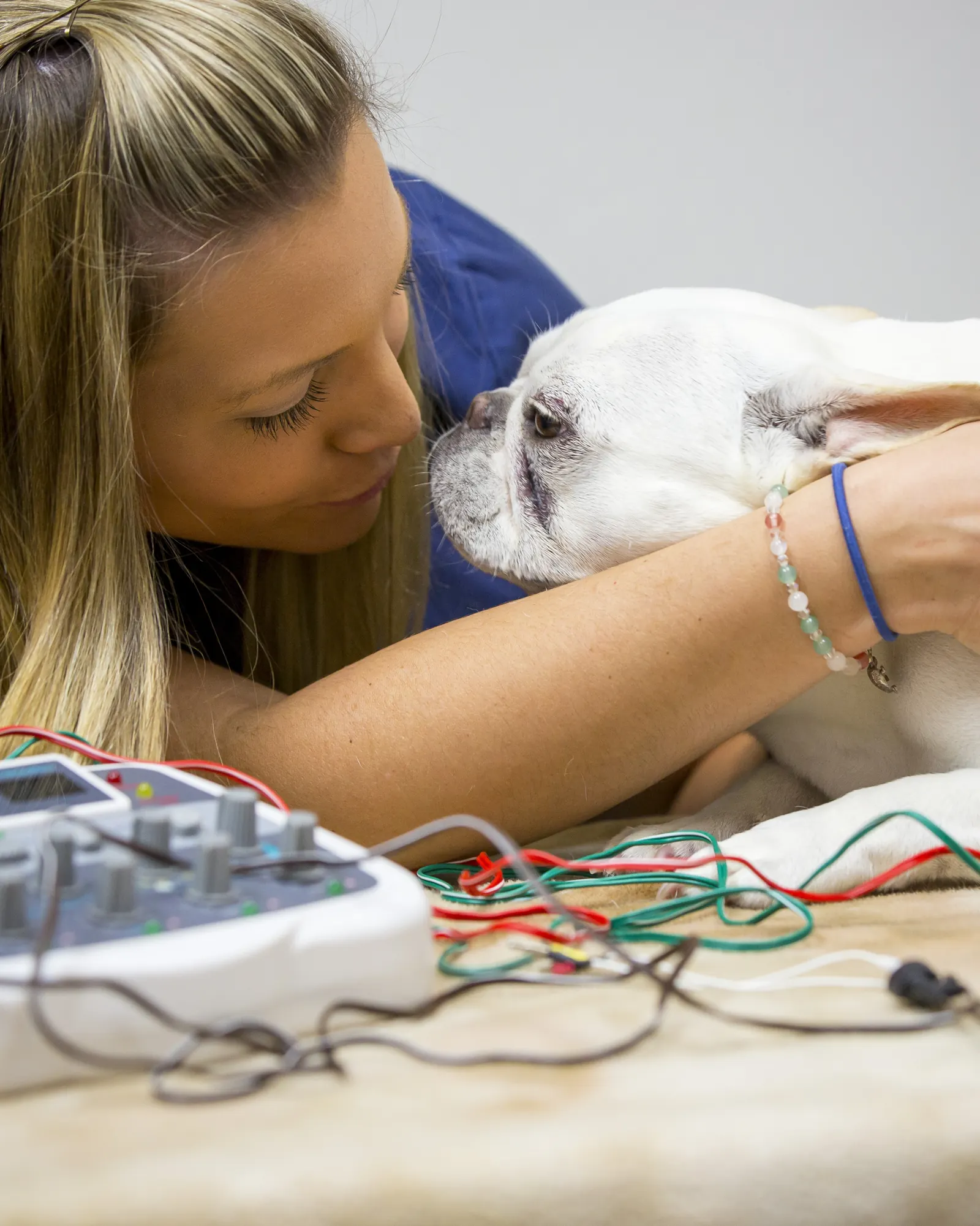
Is acupuncture painful? The insertion of the needle is generally not painful. A mild tingling feeling or numbness may occur after the needle is placed. Animals are often relaxed during or after a treatment. Animals are not sedated for the treatment and generally rest quietly.
Holistic care
Holistic care for dogs
Holistic is derived from the word whole, and refers to the use of treatment modalities that take into consideration not just physical symptoms, but mental, emotional, environmental and nutritional aspects of a health problem.
Holistic care
Restoring the body to balance
The goal is to use natural treatments that help to restore the body to a state of balance and harmony. Holistic medicine is also commonly referred to as “complementary” or “integrative” medicine.
Holistic therapies can be beneficial for practically every medical condition – from arthritis to allergies, kidney or liver disease, cancer, and even emotional or behavioral issues.
Acupuncture
What is acupuncture?
Acupuncture is the insertion of needles into specific points of the body in order to create a desired healing effect.
How does it work? Chinese medicine considers local symptoms to be an expression of the state of the entire body. When the body is out of balance or in disharmony, disease can develop. Acupuncture treatments are aimed at restoring balance and helping the body heal itself.
The body’s invisible energy pathways are called meridians. These meridians travel throughout the entire body. By stimulating an acupuncture point, one can affect the many different structures along these pathways.
3,000+ years
Acupuncture has been one of the primary methods of medicine used on people and animals in China and other parts of the world
2,000+
Acupuncture points located on the body’s meridians
Veterinary spinal manipulation
Animal chiropractic
Proper function of the spine is vital to the complete health of your pet.
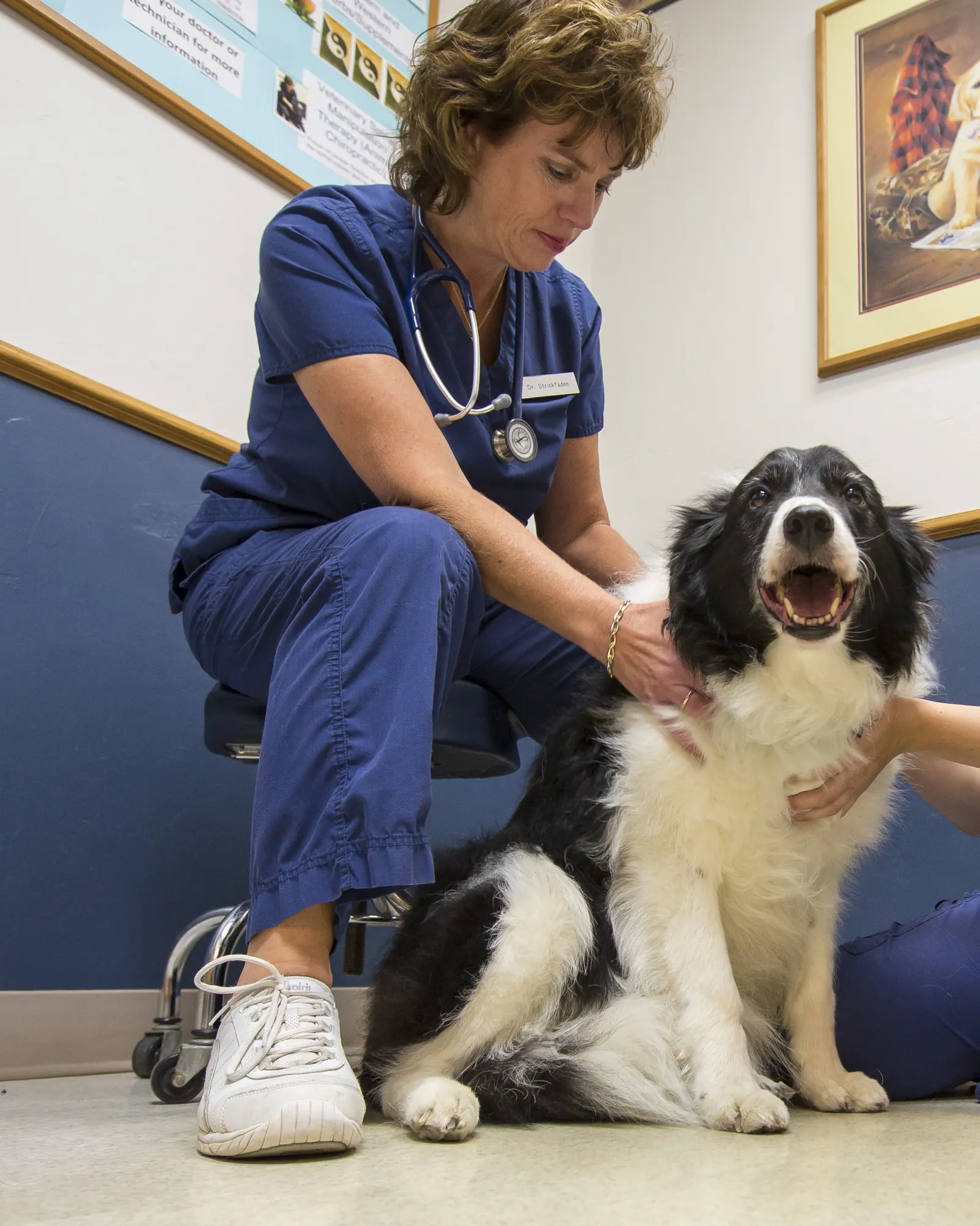
What is animal chiropractic? Chiropractic care is a holistic approach to the health of your dog. Animal chiropractic care focuses on the proper function and health of the spinal column and nervous system.
What is a subluxation? Subluxation is a term used to describe bones that are misaligned. Subluxations can affect the flexibility and movement of the spine and interfere with nerve signals to other parts of the body.
What causes subluxations?
There are many different reasons that an animal can have subluxations:
Trauma Slips and falls on ice or down the stairs, any big or small traumatic injury.
Lifestyle Cage confinement, jumping on and off the couch or bed, agility training, obedience work.
Equipment Choke collars, tie-out chains, harnesses, etc.
Conformation Long-backed breeds, straight legs, etc.
Age & condition The body accumulates many small stresses and compensations over time.
1 to 3
Treatments within which positive changes are generally seen
Several treatments may be needed in order to correct and maintain spinal alignment. Regular maintenance treatments are also important.
Dr. Strickfaden has extensive post-graduate training in animal chiropractic care and was certified by the American Veterinary Chiropractic Association (A.V.C.A.) in 1996.
Animal chiropractic
Common symptoms
Posture
- Puppy sitting in adult dog
- Holding tail incorrectly
- Uneven muscle development
- Roach or hunchbacked
- Swaybacked
- Stand, sit, lay abnormally
Movement
- Decreased flexibility
- Stiff back or neck
- Any hesitation to move normally
- Unable to turn neck
Gait abnormalities
- Stiffness when getting up or moving
- Gait is “off” but not lame
- Stumbles or trips
- Uncoordinated movement
- Something just isn’t right…
Behavioral changes
- Any change in attitude
- Decreased enthusiasm
- Not want to be picked up or touched
- Cries for no apparent reason
Craniosacral therapy
What is craniosacral therapy?
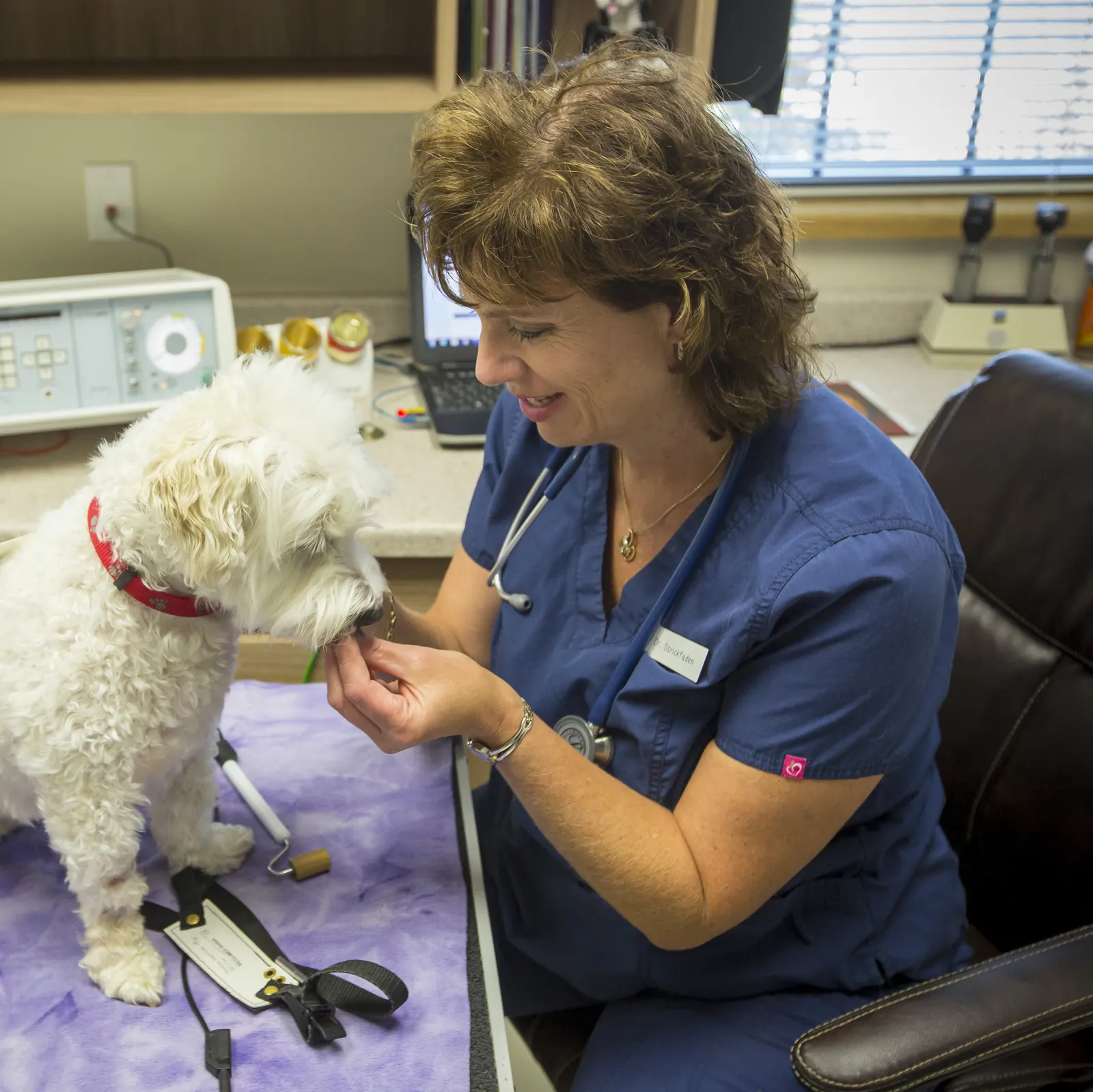
Craniosacral therapy is a gentle hands-on alternative medicine procedure for evaluating and enhancing the function of the craniosacral system (the system surrounding the brain and spinal cord).
The craniosacral system influences the whole body by affecting the brain and spinal cord, as well as the brain’s pituitary and pineal gland. As such, the craniosacral system serves as a core function in that the entire body’s health depends on its well being. As a core function, the therapy has the ability to treat a wide range of disorders and physical disability, including spinal cord injuries.
The craniosacral system
The spinal cord is surrounded by a protective, three-layered membrane system (the meninges) that lies within the vertebral column. The craniosacral system consists of this membrane system, the enclosed cerebrospinal fluid, the physiological structures that control fluid input and outflow, and related bones.
It is a semi-enclosed biological hydraulic system encompassing the brain and spinal cord. Research indicates that the skull bones gently move continuously to accommodate the fluid pressure changes within this system. Any occurrence that interferes with the membrane’s ability to accommodate the rhythmically fluctuating fluid pressures and volumes is a potential problem.
About 10
Cycles per minute at which the cerebrospinal fluid rhythmically pulses
This is independent of heart or respiratory rhythms.
Craniosacral therapy’s object is to find areas of restricted movement that compromise function and re-establish normal movement. Because the craniosacral system encloses the brain and spinal cord, it influences the entire nervous system, affecting many body functions. These include the brain’s important pituitary and pineal glands. These glands, in turn, have the potential to affect the body’s entire hormonal balance.
A hands-on process
A light touch
During craniosacral therapy, Dr. Strickfaden uses a light touch equivalent to a nickel’s weight, and feels the rhythmic motion of the cerebrospinal fluid within the craniosacral system.Checking the rhythm
She checks the rate, amplitude, symmetry, and quality of this wave-like motion in places where the craniosacral membrane barrier attaches to bones such as the skull, sacrum and tailbone.Light-touch adjustments
Any restrictions or blockages are treated with light-touch adjustments.
Flower essence
What are flower essences?
Essences are a gentle and subtle means of restoring peace of mind and thus, allowing the body a chance to regain its strength and ability to combat ill-health through its own natural healing process.
Flower essences are homeopathically prepared from the flowers of non-poisonous plants, bushes and trees. There are several hundred flower essences each helping with specific mental and emotional states.
How do they work? They work on the emotional state and body’s vibrational energy to allow the body’s physical system to fight disease and associated stress.
Does my dog need to be sick? Essences are designed to restore balance and harmony in the body, even before physical symptoms appear. Many animals show emotional or behavioral problems that could benefit from the use of flower essences.
Are they safe? Flower essences are natural and do not interfere with any other form of treatment or medication. The appropriate combination of essences must be chosen in order to achieve results. We use a questionnaire and consultation visit to help us understand your animal’s emotional, behavioral and physical state. A consultation appointment with you and your animal allows us to discuss your situation to guide us in determining the appropriate formula. You can fill out our behavioral questionnaire and bring it with you to your appointment.
Common behavioral issues we address
Fears and anxieties
- Thunderstorms
- Fireworks
- Separation anxiety
- Traveling
- Move to new home
- New pet or baby
- Rescued animals
- Abused animals
Behavior problems
- Inappropriate urination or defecation
- Chewing
- Destructive
- Hyperactive
- Clingy behavior
- Overprotective
- Dominance issues
- Training problems
- Nervousness
- Lack of energy
- Depression
- Adapt to a new environment
- And many others…
Therapy laser
What is involved?
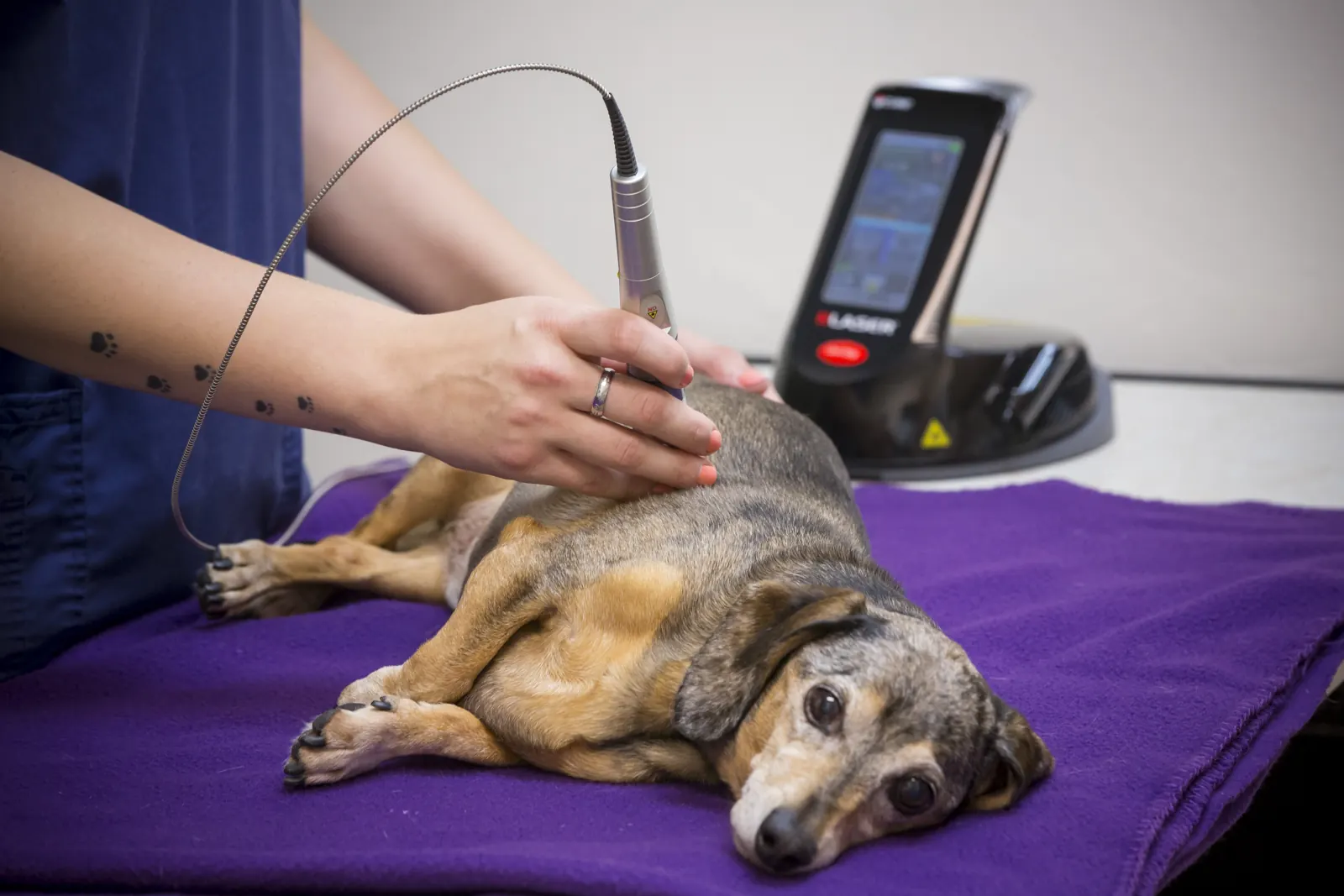
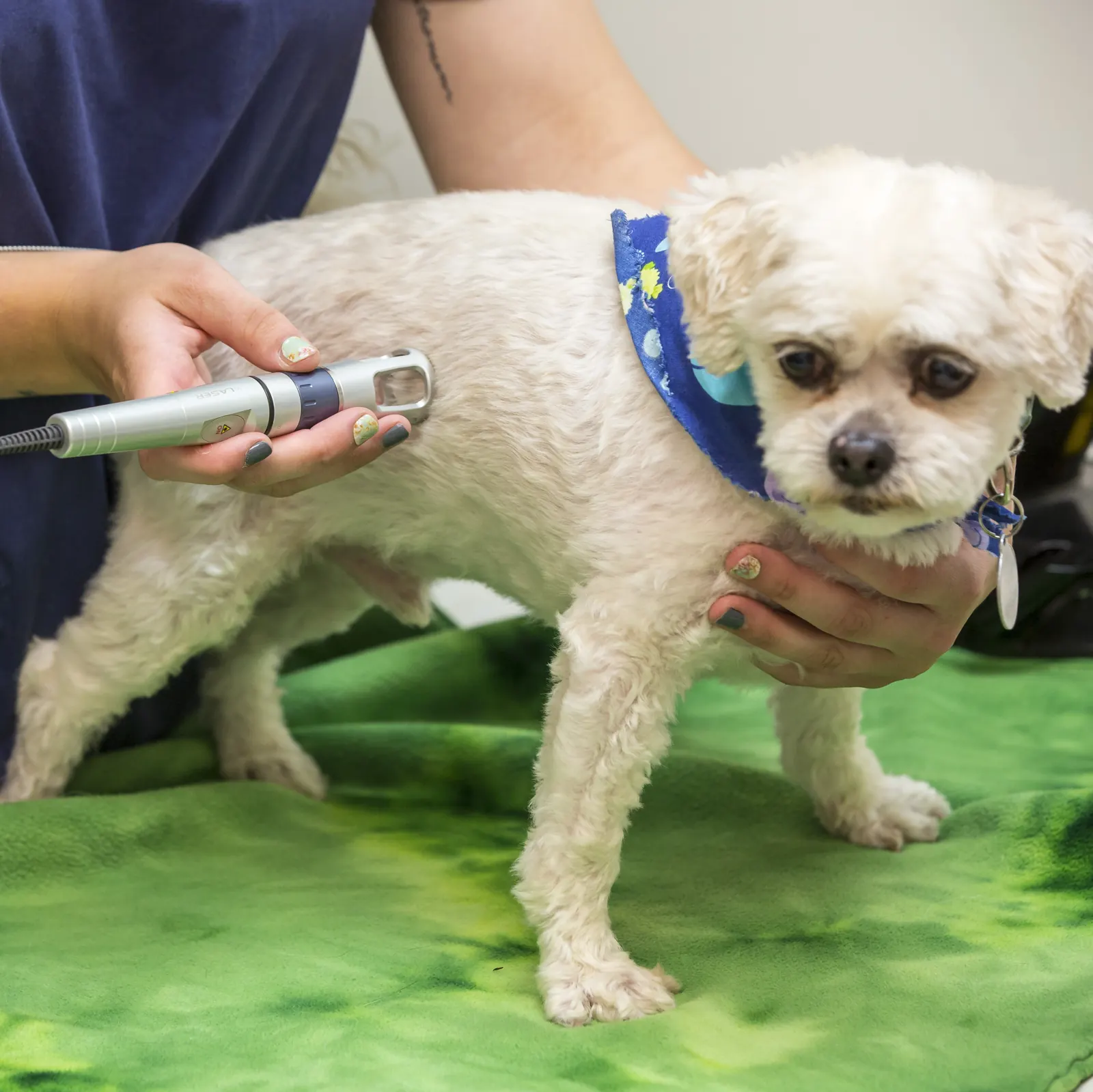
Laser therapy involves passing a laser beam above your pet’s skin directly above the area to be treated. To your pet it feels like some warmth is being dispensed to the exact spot where the tissue needs help. Your pet does not experience any pain or discomfort. (Note: this is a completely different instrument than a surgical laser which is used for surgical procedures.)
What effects does laser therapy produce? Laser therapy is credited with many important and beneficial effects including pain relief, accelerated healing of injuries, increased circulation, anti-inflammatory, anti-microbial, reduced scarring, increased patient comfort and range of motion.
3–8 minutes
How long the beam of laser light is passed over the area
6–10 treatments
What to expect for chronic conditions
Treatments are cumulative in nature. For best results, several treatments are generally needed.
Class IV
Our therapeutic laser penetrates much deeper into tissues than class I–III units
This allows for more versatile applications, more power, better efficiency and improved results.
Does laser therapy cause side effects? Side effects are not generally provoked by the proper use of a therapy laser unit.
We are excited to bring this leading edge technology to our patients. Not only is it non-invasive and non-painful, but it affords other choices for managing chronic conditions and for rehabilitation of acute problems.
Common uses for therapy laser
- Any type of arthritis
- Muscle, tendon or ligament injuries
- Post-op orthopedic surgery, e.g. ACL repair
- Any soft tissue trauma
- Back pain
- Neuromuscular disease
- Sprains and strains
- Ulcerations and open wounds
- Acupuncture stimulation without needles
Medical ozone therapy
What is medical ozone?
Ozone (O3) is an activated form of oxygen (O2). Medical ozone is made when medical grade oxygen is electrically activated using an ozone generator to form ozone. It has been used in medical and naturopathic medicine since the 1870s.
Ozone is an effective oxidizer that can kill all kinds of bacteria and viruses, including the toxins that they produce. Ozone is germicidal, bactericidal and fungicidal. It also works quickly to destroy any number of poisonous compounds such as chemical waste or pesticides, which makes the substance particularly valuable as a disinfectant in purifying water.
What is medical ozone therapy? Ozone therapy is currently being used in many countries to treat a broad range of conditions and ailments in people, including allergies, arthritis, asthma, cancer, colitis, hepatitis and sinusitis.
Ozone therapy can be used to detoxify the body and to activate the immune system by stimulating the production of cytokines. Ozone therapy helps address a lack of sufficient cellular oxygen in the body which leads to poor health. Healthy cells require an oxygen rich environment. Many microorganisms and cancer cells are anaerobic (without oxygen) or have an anaerobic portion of their life cycle – meaning they cannot survive in an oxygen rich environment.
Methods of delivery of ozone into the body The method or methods used to deliver the ozone generally depends on what condition you are treating. The veterinarian will determine the best method(s) of delivery of the ozone to your pet. The most common technique is hemotherapy. Ozone is mixed with a blood sample from the body and injected intramuscularly. This technique targets any condition including allergies and cancer. Other methods of delivery include subcutaneously, insufflation, inhalation, and transdermally.
What is the treatment protocol? Ozone therapy is not a drug or a magic bullet. It is a therapeutic tool which can aid the body in regaining health. In the end, the immune system has to do the work of healing the body. Ozone therapy is best performed along with other treatment modalities in order to achieve the best results. The number and frequency of treatments will vary with the condition being treated. A treatment plan is determined on an individual basis depending on your pet’s specific medical issues.
What conditions can benefit from ozone therapy?
- Any viral infection (FeLV, FIV, FIP, herpes, parvovirus, etc.)
- Any bacterial infection (Lyme disease, toxoplasmosis, staphylococcus, etc.)
- Any yeast or fungal infection (ringworm, candida, etc.)
- Cancer prevention and treatment
- Detoxification, environmental hypersensitivity
- Arthritis and degenerative joint conditions
- Autoimmune disorders
- Skin wounds or burns
- Poor circulation
For more information on ozone therapy, you can visit oxygenmedicine.com.
Nutritional supplements
What does my pet really need?
In order to understand why a patient can benefit from supplements, let’s start with defining the different levels of nutrition.
Level 1
Basic nutrition
Refers to the animal’s daily intake, which should meet the daily nutritional requirements based on guidelines by the NRC (National Research Council).Level 2
Preventative nutrition
Adding nutritional supplements to the basic diet to eliminate possible deficiencies caused by the diet and the animal’s biochemical individuality.Level 3
Therapeutic nutrition
Involves the use of nutritional supplements in animals who display specific health problems and disease conditions.
What is the purpose of supplements?
Just because your pet is receiving the appropriate ‘basic diet’ formulated in the pet food, does not mean that you are supplying all of the necessary vitamins and minerals, etc. that he may need to thrive and be the healthiest that he can be (i.e. preventative nutrition).
Now, add on top of it a medical condition that requires additional support from the body and your pet may require even more nutritional components in order to adapt to a medical problem (i.e. therapeutic nutrition).
So, the purpose of ‘supplements’ is to supply additional ingredients to ‘supplement’ the basic diet. Every pet’s needs will be different depending on his age, breed, lifestyle and potential medical conditions.
What exactly is a nutritional supplement?
Nutritional supplements include a wide variety of substances. They can be divided into several categories:
- Vitamins
- Minerals
- Essential fatty acids
- Amino acids & their derivatives
- Enzymes
- Probiotics
- Antioxidants
- Accessory food factors
- Glandulars
Western & Chinese herbs
Medicine from plants
What are herbs? Herbs are medicinal plants containing as active ingredients only plants, parts of plants or plant materials, or combinations thereof.
What is the difference between a drug and an herb? An herb is a plant part in its entirety, while a drug is a synthesized copy of one chemical component. An herb’s total effect is a result of the combination of the chemicals. The beginning of the pharmaceutical world is derived from herbs. The foxglove leaf was determined to help with the treatment of heart failure in 1785. Researchers isolated a component and isolated the drug digitoxin.
Why the whole herb? Herbalists believe that using the entire herb versus extracting one chemical to make a drug makes an herb potentially more powerful for healing than a pharmaceutical compound. Also, herbs in general have fewer side effects than synthetic compounds.
What forms do herbs come in? Herbal remedies come in various forms: dried/bulk, oils, tinctures, capsules, tablets, ointments/creams.
What are herbs used for? There are many different herbs and they can be used therapeutically for any appropriate medical condition or to protect organs of the body. An example is the very popular milk thistle which has tremendous liver protectant ability with virtually no side effects or problems.
What is the difference between Western and Chinese herbs? Western herbs are generally plants that are grown in the Western part of the world. Chinese herbs are from China and are generally put into formulations of 4–10 specific Chinese herbal ingredients to apply a complex theory of holistic treatment according to Traditional Chinese Medicine principles.
Natural does not equal safe
It is a common misconception for someone to think that because it is ‘natural’ it can do no harm. This is not true: herbs can interact with each other, can interact with medications and can cause toxicity problems. In order to decrease the chance of a problem, make sure that you:
Research
Research the herbs carefully before using them.Discuss
Discuss the herbs with your veterinarian.Choose quality
Use high quality herbs and suppliers.
From our blog
Reading on holistic care for dogs
 Holistic veterinary care helps pets achieve optimal health “W”holistic medicine focuses on the whole picture of the patient. This picture includes the patient’s general state of health, environmental… Read more
 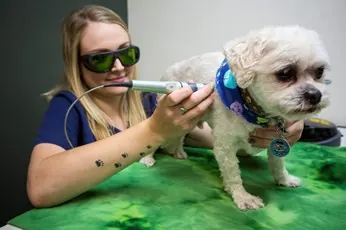 Laser therapy can help your pet with issues from ACL repair to sinus problems “Laser therapy.” When you hear these words what comes to your mind? Don’t be afraid to say it. A lot of people imagine something out of a sci-fi movie… Read more
  How Can Platelet Rich Plasma Help Pets? As Max got older, he felt “stiff” and was not acting like his normal self. Anti-inflammatory medications helped, but Max’s mom was looking for other… Read more
 In their words
The hearts we’ve touched
“I arrived with a bag of pills and not much hope for Fina’s quality of life. Dr. Strickfaden listened, and within weeks my German Shepherd was on the road to recovery.”

“Years ago when all other vets gave up on my older dog Katy, Dr. Strickfaden got her back to agility competition form with acupuncture. I’m a big fan!”

“Countrycare Animal Complex is what I wish for all pets. Your compassion and genuine caring makes all the difference. Duke is a happy dog because of you.”

“Everyone there was great — from making the appointment to the vet tech to our vet. Everyone was super friendly and nice. They took their time. We didn’t feel rushed. We were very happy and grateful to the staff.”
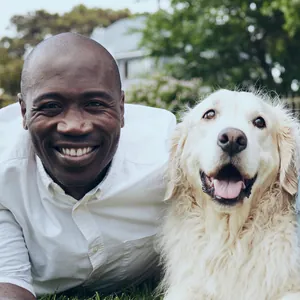
“Dr. Heintz was so gentle and compassionate with our dog. The vet tech was so kind and understanding with all of the questions that I asked her. They made me feel comfortable with the decisions that we made for Maddie.”
See all testimonials →
1 of 5